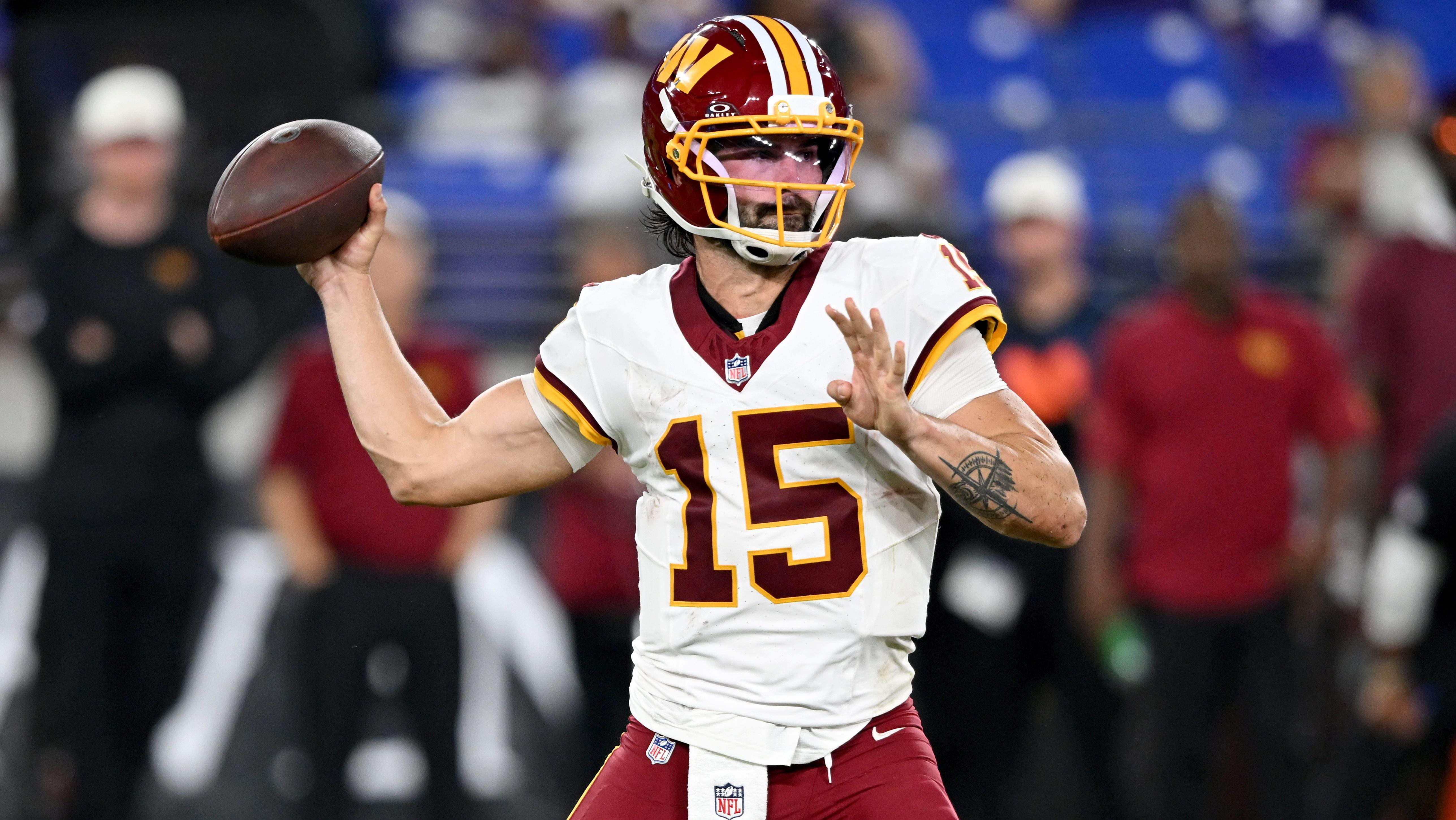
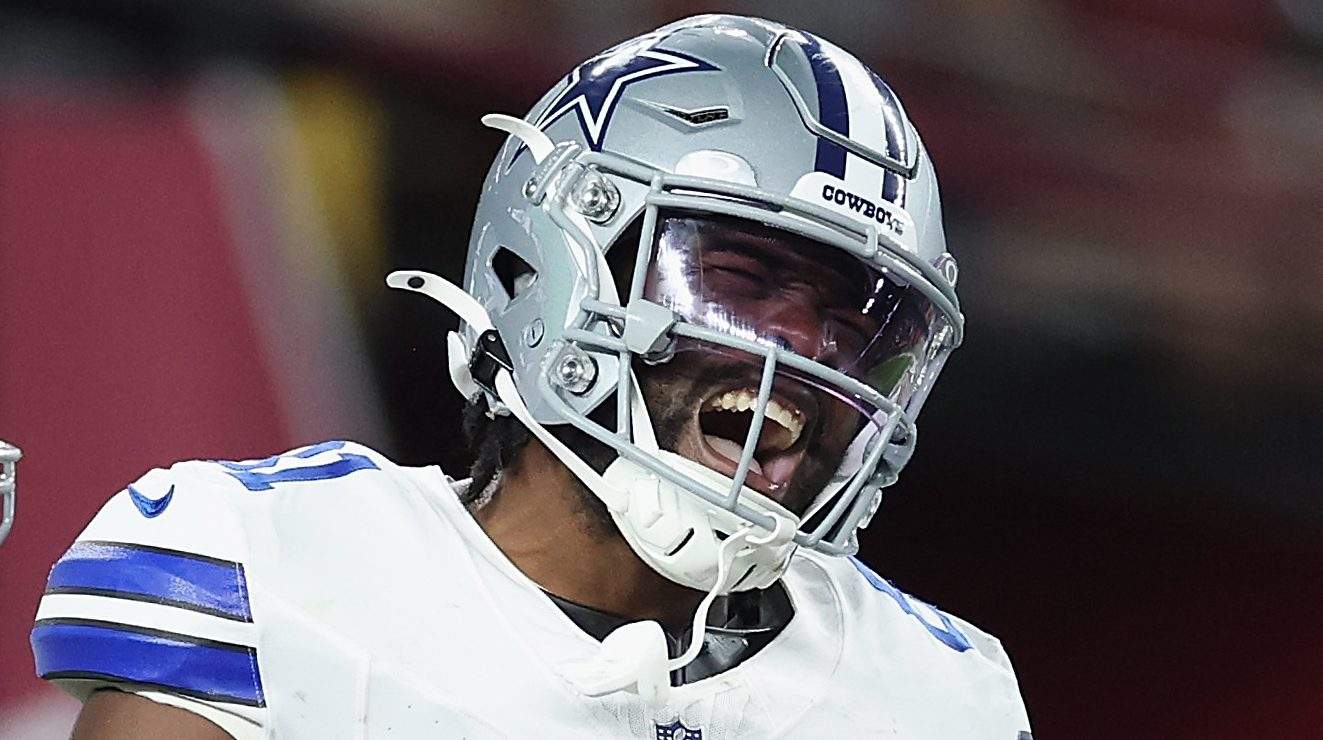
Postgame reflections from the Cowboys’ leadership underscored the complexity of the choice. The head coach described the battle as a neck-to-neck duel, emphasizing consistency and decision-making as critical factors for a backup quarterback. Meanwhile, the club’s top executive offered an unconventional but intriguing take: a potential split at the backup position. He suggested that the Cowboys might consider keeping two quarterbacks to share duties, highlighting that reliability often matters more than flashy moments on the stat sheet.
The exchange between the coach and the executive illuminated a broader truth about NFL depth charts: the backup quarterback job often hinges on more than one game’s worth of tape. In this case, both Milton and Howell demonstrated NFL-caliber poise and decision-making. Milton showed comfort and familiarity with the offense, a valuable trait for any player who would be thrust into action should the starter be unavailable. Howell, on the other hand, illustrated progress in reading coverage, distributing the ball effectively, and managing drives under pressure. His lone mistake came in the form of a late interception, but overall his performance bolstered his case for additional opportunities and a continued presence on the roster.
Statistically, the preseason battle told an interesting story. Milton closed with a strong passing percentage—approximately two-thirds completion—through multiple drives that included several productive moments in the air and on the ground. Howell mirrored that efficiency, also completing about two-thirds of his attempts, while adding a similar scoring footprint with two touchdowns and a turnover-free second half after an early miscue. Beyond the box score, both quarterbacks exhibited the ability to extend drives with timely scrambles and smart use of designed runs, highlighting their athletic versatility as a potential hedge for the offense.
From a strategic perspective, carrying two capable quarterbacks could provide the Cowboys with valuable insurance and flexibility. In the event of an injury or a limited game plan for the starter, a well-prepared and proficient backup can step in with minimal disruption. This approach would also allow the coaching staff to tailor situational packages and keep defenses honest about the threat of both pass and run options from the quarterback position.
However, there is also merit to keeping a traditional single-quarterback backup, especially given the practicalities of roster construction. A third quarterback would add depth at another position of need or could be used as a development asset on the practice squad. The decision ultimately revolves around roster space, the team’s long-term strategy for the quarterback room, and the evaluation of which quarterback offers the highest floor and ceiling given the team’s system and personnel.
On the immediate horizon, the Cowboys have a brief window to finalize their approach. The organization must assess roster implications, weigh each player’s readiness for immediate responsibility, and forecast how their choice will impact practice reps, game plans, and the quarterback room culture. This is the kind of decision that requires a balanced view of both current capability and potential growth, as well as alignment with the broader aims of the team for the 2026 season.
Looking ahead, Milton’s familiarity with the offense could position him as the early favorite to secure the primary backup duties, given the value of quick integration and minimal learning curves. Howell, meanwhile, has proven he can perform at a high level and provide a credible alternative that can spark competition and push the organization toward stronger depth. The final determination will reflect not only performance in recent weeks but also the coaching staff’s confidence in game-day decision-making, situational awareness, and leadership when the lights are brightest.
In sum, the Cowboys entered the decision phase with a robust set of choices at quarterback. The preseason showcased two quarterbacks capable of stepping into an NFL game and delivering competitive performances. The path forward could involve a two-quarterback approach, leveraging each player’s strengths to safeguard the offense against unpredictable circumstances. Regardless of the exact structure, Dallas enters the 2026 season with a compelling and competitive quarterback room that offers genuine versatility and contingency power for the challenges ahead.