Key signings and roster moves have established a clear direction: add shooting, bolster frontcourt depth, and shore up the backcourt with a steady, experienced presence. Notable acquisitions include a blend of versatile veterans and proven scorers who can slot into multiple lineups and adapt to different roles as the season unfolds. The organization has already reshaped its bench and rotation to create more options for head coach Erik Spoelstra, especially in areas that historically have tested the team during deep playoff pushes.
One development that has fans buzzing is the potential addition of a familiar guard who previously played a pivotal role during the franchise’s recent deep postseason runs. The idea is that this player can bring poise, high basketball IQ, and organizational familiarity to the backcourt, complementing the team’s core and easing lineup continuity. The possibility of a reunion is increasingly discussed among observers who monitor roster-building trends and the value of established chemistry with the Heat’s system and culture.
Insiders have highlighted the possibility of using the final roster spot on a guard who can contribute immediately with minutes and decision-making in both regular-season and high-stakes moments. The concept is not just about restoring a former contributor; it’s about leveraging a player who understands the Heat’s defensive schemes, transition pace, and ball movement principles. In past seasons, that profile has proven effective for Miami when the right veteran fits the right salary framework.
Bam Adebayo, a cornerstone of the Heat’s frontcourt and a vocal leader on the court, has publicly supported exploring a reunion with a familiar guard. His endorsement underscores how important it can be for a team to secure players who mesh with the team’s identity and the coach’s system. When a star player actively advocates for bringing back a veteran guard, it often signals a thoughtful evaluation of fit, leadership, and on-court impact.
From a strategic standpoint, the Heat face a practical challenge: balancing the need for a reliable point guard with the realities of late-summer roster limitations. With only a single roster spot remaining and a tight market for veteran guards, Miami must weigh market value, fit, and potential upside against budget constraints. The plan appears to prioritize a guard who can handle primary or secondary ball-handling duties, facilitate offense, and space the floor for the team’s lengthy frontcourt players.
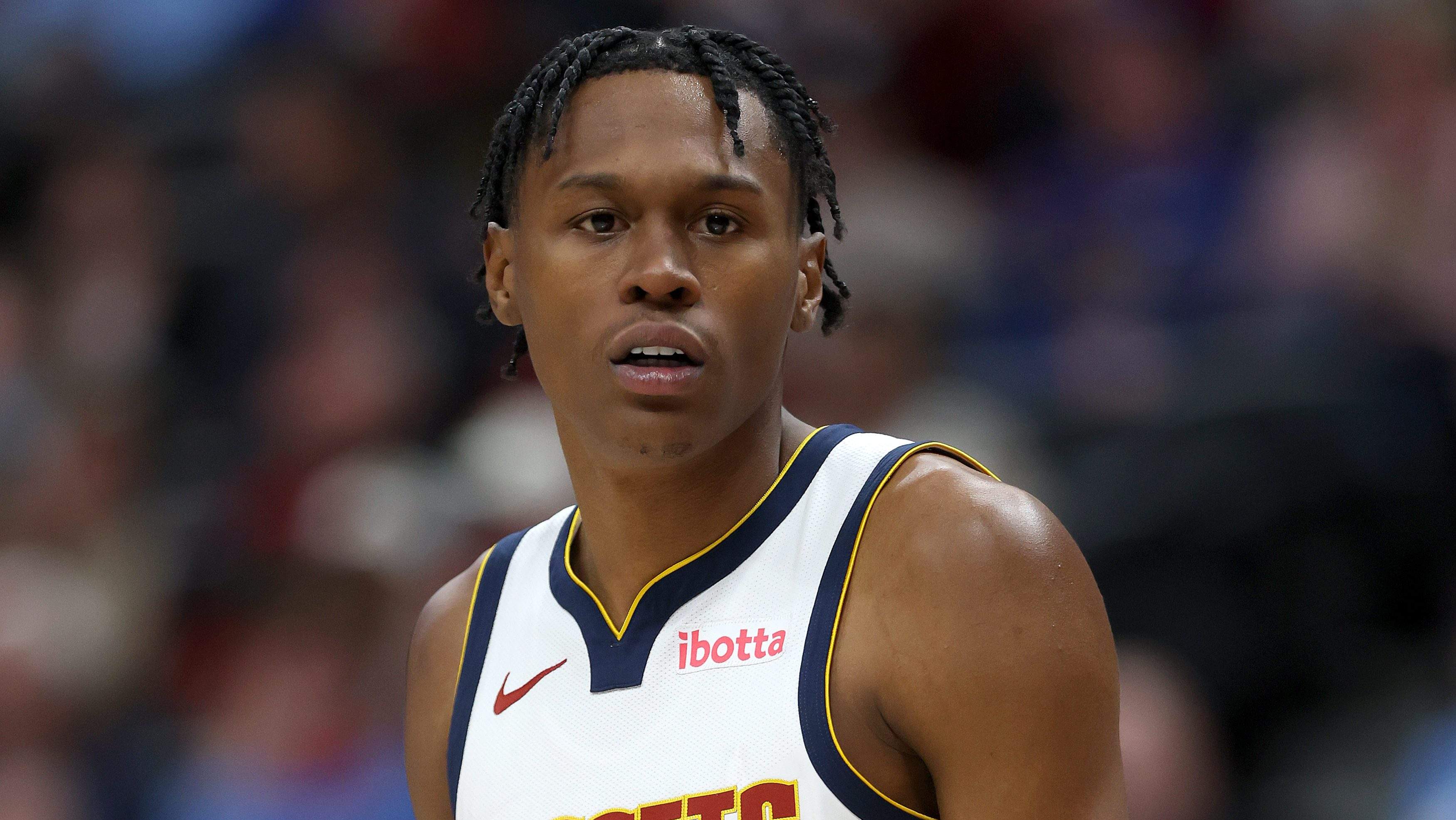
Davion Mitchell is another name sometimes discussed in this context due to his guard-oriented skill set. However, the decision ultimately hinges on whether the team views the candidate as a long-term asset or a short-term solution to stabilize the rotation and maintain competitiveness in the league’s upper echelon.
Beyond point-guard considerations, the Heat’s offseason focus includes strengthening shooting around key playmakers and ensuring reliable frontcourt depth. A balanced roster that can attack from multiple angles—perimeter shooting, interior scoring, and defensive versatility—gives Spoelstra the latitude to deploy hybrids and adjust matchups on a night-to-night basis. This kind of depth is crucial for navigating the rigors of an 82-game schedule and maintaining momentum into the postseason.
The roster-building approach also reflects a broader philosophy: prioritize players who can contribute immediately while preserving flexibility for future adjustments. Mid-level salaries, veteran minimums, and two-way contracts are tools teams use to maximize impact without compromising long-term cap health. In recent seasons, this approach has allowed the Heat to maintain a high floor while pursuing aggressive, targeted upgrades that complement the established core.
As the season approaches, all eyes will be on how the new pieces fit and how the coaching staff integrates them into a cohesive system. The Heat have laid the groundwork for a competitive campaign by reinforcing key positions, adding shooting and depth, and leaving room for one more strategic move. If the final roster spot is allocated to a guard who can contribute immediate value and sustain the team’s identity, Miami could further elevate a roster that already carries championship-pedigree and playoff experience.
Fans will be watching not only for wins and losses but also for how quickly new players adapt to Spoelstra’s schemes, how the offense flows with added shooting threats, and how the defense maintains its discipline with a deeper, more versatile backcourt. The offseason investments signal a clear intent: remain a perennial playoff team, stay adaptable in a swiftly evolving league, and keep the championship window open by combining elite talent with well-constructed depth.
In summary, the Miami Heat’s offseason moves demonstrate a proactive strategy to refine the roster around its core players, address backcourt needs with potential veteran help, and preserve flexibility for late-summer decisions. With a balance of established talent and fresh depth, the Heat aim to sustain competitive excellence and position themselves for a deep postseason push in the upcoming season.