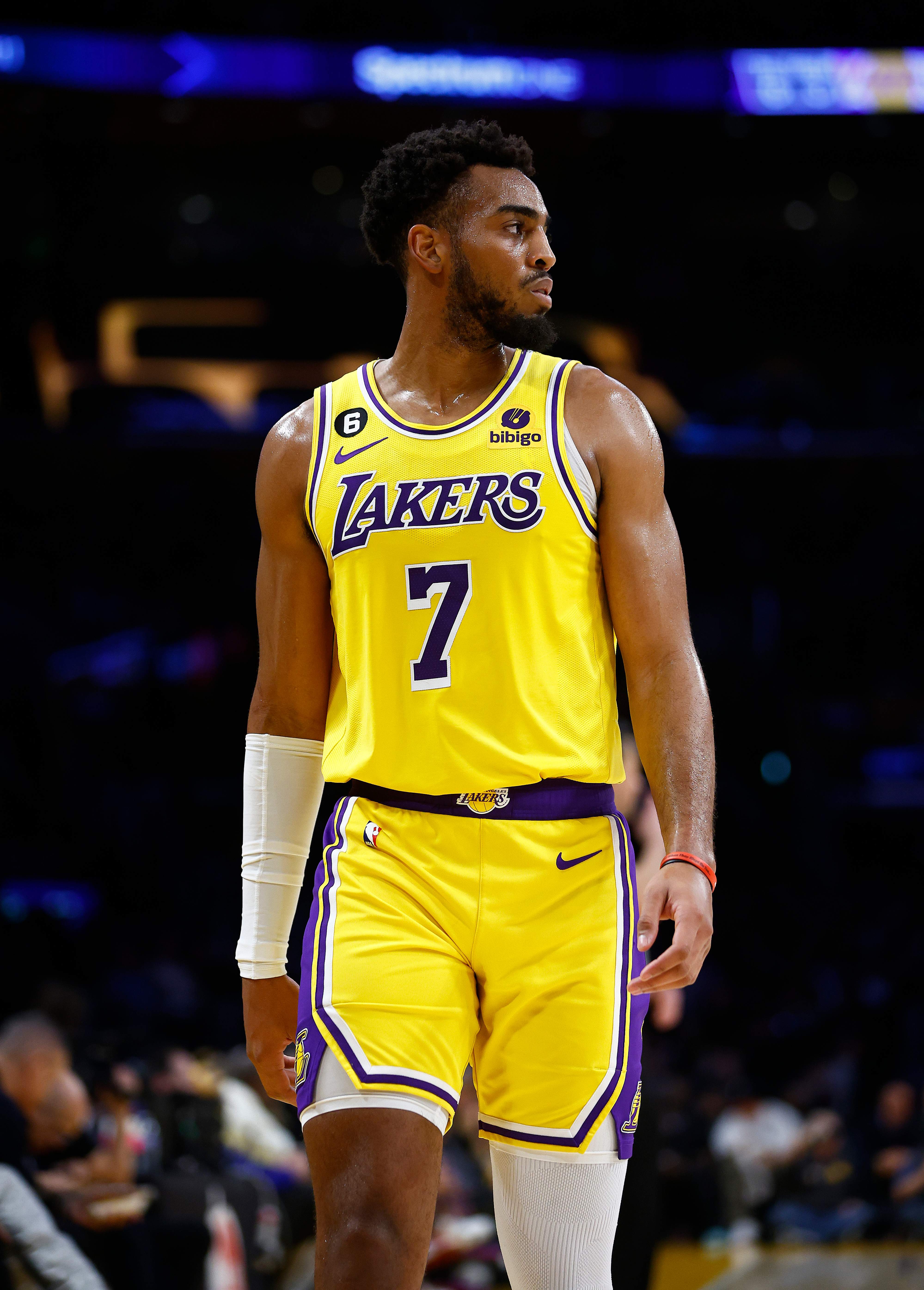
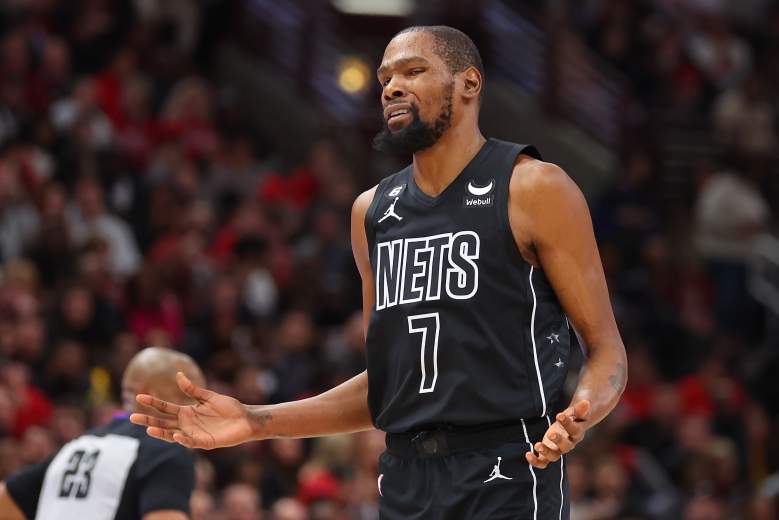
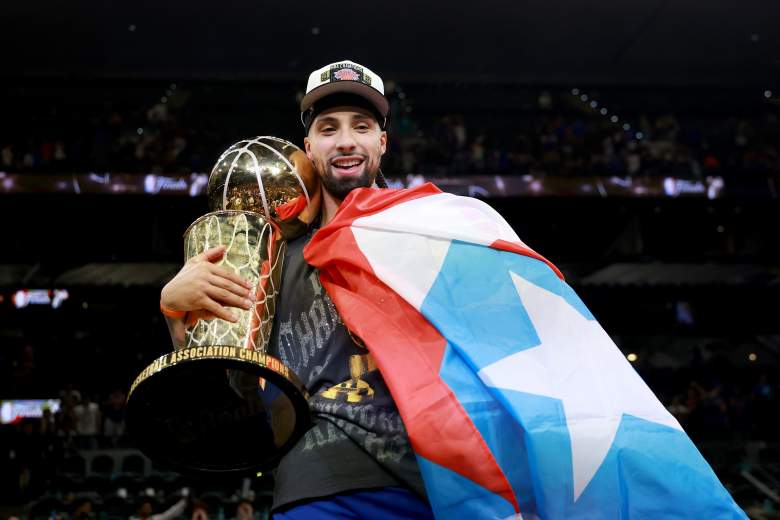
Even at age 41, James remained an exceptionally productive player in his last season with the Lakers, posting averages of 20.9 points, 6.1 rebounds, and 7.2 assists per game. Despite those strong numbers, a panel of NBA observers believes James could experience a downturn in scoring next season, possibly recording fewer than 20 points per game for the first time in his storied career. The notion represents a notable shift for a player who has routinely ranked among the league’s top scorers and playmakers.
Several factors contribute to this potential change. For one, the scoring dip would align with a broader pattern observed over the past few seasons. James posted 30.3 points per game during the 2021-22 season, a peak that stands out as one of the elite scoring seasons of his career. Since then, his scoring average has declined in each subsequent season. The most pronounced drop occurred last year, when he fell from 24.4 to 20.9 points per game—a decline that tied his career-worst mark in terms of scoring efficiency or volume. Additionally, his usage rate—an indication of how frequently he touches the ball and creates plays—reached a career-low last season, suggesting he was not the primary engine of his team’s offense as often as in previous years.
The 76ers’ strategic approach may also influence James’s scoring numbers. With a young, talented core featuring Tyrese Maxey, Joel Embiid, and Jaylen Brown (noting that Brown is highlighted as a central figure in many discussions about their ball-handling responsibilities), the ball distribution is likely to shift. Maxey and Embiid, in particular, are expected to handle more ball-handling duties, allowing James to focus on playmaking and facilitating the offense. In this setup, James’s role could pivot more toward orchestrating the offense and generating high-quality looks for teammates, rather than hunting shots at the highest volume.
Playing the point guard position could be a natural fit for James in this context. His exceptional court vision and passing ability position him well to run the offense, manage the pace, and ensure that his teammates receive ample opportunities. This adjustment would be a pragmatic move for a veteran with a storied passing legacy and a deep understanding of the game. It also aligns with the Sixers’ needs to maximize the talent around Embiid and a capable supporting cast, ensuring everyone gets their fair share of touches while maintaining offensive balance.
Health remains a critical variable for the Sixers this season. Both James and Embiid have a history of missing stretches due to injuries, and the team will need to manage their workloads carefully to maintain peak performance in the postseason. Embiid has played limited minutes in recent seasons, and keeping him fresh for the playoff push is essential if the franchise hopes to contend for a championship. Regular-season load management, thoughtful rest, and durable rotation decisions will be paramount to sustaining performance through to the postseason.
Looking back at last year’s playoffs, the Sixers faced offensive constraints that impacted their effectiveness. Their playoff offense ranked ninth in efficiency, a tier that sits in the middle among competing teams. The crunch often stemmed from Embiid’s injury presence during key moments, which diminished the team’s ability to execute at their highest level when the stakes were highest. In contrast, LeBron James, when healthy, has often been the linchpin that keeps a team’s offense humming during the playoffs. The question for Philadelphia is whether James can sustain a high level of play while adapting his role to a more facilitative, spread-the-floor style that benefits Embiid and the rest of the lineup.
For the 76ers to win a championship, leveraging James’s playmaking while ensuring Embiid, Maxey, and Brown are consistently integrated into the offense could be the optimal path. An increased emphasis on ball movement and higher assist totals might be more advantageous than a heavy focus on individual scoring, especially if James’s scoring opportunities decrease. The team’s success will likely hinge on balancing James’s experience and seeing him operate as a masterful facilitator, thus widening the team’s overall offensive ceiling.
In sum, the Sixers’ acquisition of LeBron James represents a calculated bet on veteran leadership, elite passing, and the ability to guide a diversified offensive attack. While the expectation of fewer than 20 points per game next season might surprise some fans, it could be a strategic trade-off that unlocks greater team efficiency and postseason potential. If James embraces a slightly different role and maintains a strong supportive presence for Embiid and the rest of the core, Philadelphia could position itself as a formidable contender in a competitive league.
Note: This article presents analysis based on current team dynamics, player profiles, and typical strategic approaches observed in recent seasons. It does not rely on or reproduce content from any specific original publication.