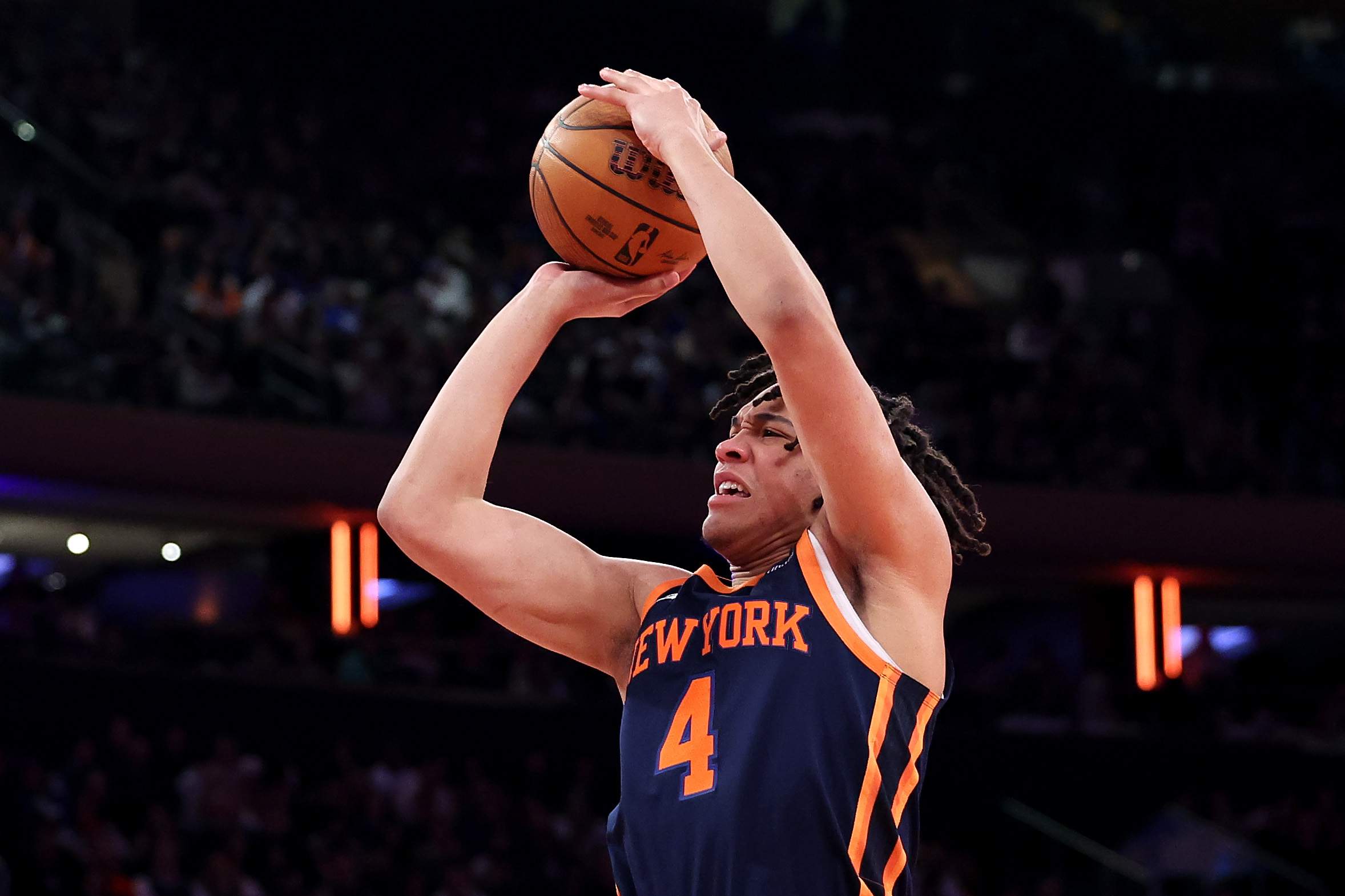
The Minnesota Timberwolves made a notable addition this off-season by bringing in 23-year-old forward Jonathan Kuminga on a two-year, $12.4 million contract. The move came after Kuminga weighed his options, including interest from several teams, and ultimately chose Minnesota over a rival Western Conference contender. The signing signals the franchise’s intent to bolster its depth and add athleticism on the wings, pairing Kuminga with a young core that already includes a dynamic two-way lineup.
Assessing Kuminga’s fit, there are both positives and potential challenges. Kuminga has shown flashes of high-level ability, particularly with his physical tools, slashing ability, and defense. However, questions about his outside shooting and consistency persist. He has in-game moments where he impacts the game with energy, defense, and attacking prowess, but maintaining that level of play over extended stretches remains an area for development.
A key consideration is how Kuminga fits with the Timberwolves’ existing core. Minnesota has built a potent starting group featuring a dynamic backcourt and a varied frontcourt, with young stars who want to push the pace and apply pressure on defenses. Kuminga’s speed and athleticism could complement this group well, especially in transition and on defensive switches. He has the versatility to guard multiple positions and can help protect the floor when paired with other long, rangy defenders.
Offensively, Kuminga could thrive as a role player who contributes in multiple ways rather than mustering a consistent scoring load every night. If he embraces a slightly reduced role—focusing on defense, energy, and finishing at the rim—he can maximize his impact and earn trust as a reliable piece within a balanced attack. The Timberwolves’ system, which favors pace and spacing, may suit Kuminga’s skill set, allowing him to capitalize on opportunities created by the movement of established scorers.
From a long-term perspective, the contract presents a low-risk, potentially high-reward scenario. At a modest price for a young, athletic forward, Minnesota can evaluate Kuminga’s development without heavy financial commitments. If he continues to grow and fits well alongside the core, he could become a valuable two-way presence for the franchise. If not, the deal remains affordable enough to absorb without derailing primary roster plans.
The addition of Kuminga also aligns with the Timberwolves’ broader goal of contending in a competitive Western Conference. By adding a versatile forward who can contribute on both ends, Minnesota strengthens its depth and flexibility. The starting lineup could feature Kuminga alongside other key players, creating a look that emphasizes length, speed, and defensive versatility while maintaining an up-tempo offensive pace.
In the broader context of the off-season, Kuminga’s arrival adds intrigue to Minnesota’s ascent. The team has already contended for deep playoff runs in recent seasons, and this move signals a continued push toward building a championship-capable roster. The presence of a young, athletic forward who can develop into a more complete player offers potential upside that could influence the Timberwolves’ trajectory in the coming seasons.
For Kuminga, the path is clear: maximize developmental opportunities, contribute consistently in a supporting role, and leverage his defensive prowess to carve out a stable place in the rotation. If he achieves growth on his jumper and tightening of decision-making, he can become a key piece who helps the Timberwolves sustain success and compete for deeper playoff runs.
Overall, the signing represents a strategic, low-risk investment for Minnesota. It adds a promising talent with lottery-level attributes who can grow into a more impactful contributor as he acclimates to the team’s system. The Timberwolves’ hopeful trajectory with this addition hinges on Kuminga’s continued development and their ability to integrate him smoothly into a balanced, high-energy lineup.