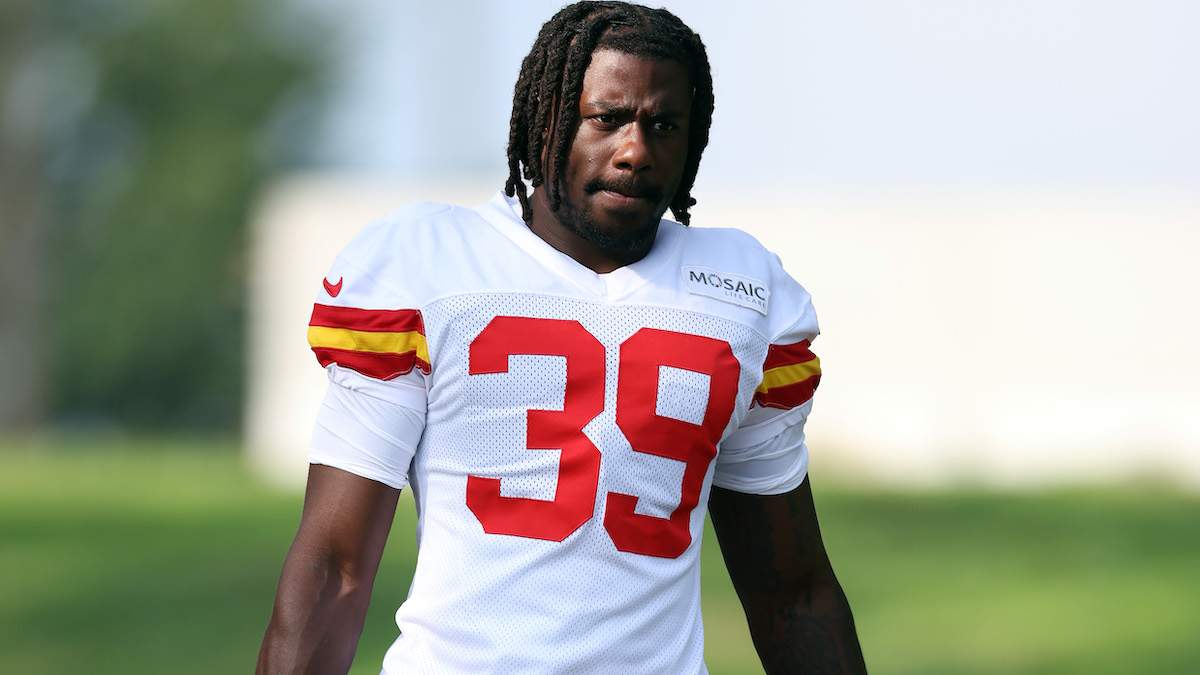
One notable move involved trading wide receiver Tutu Atwell, a former highly-touted pick who joined Miami as a free agent. In exchange, the Dolphins acquired a running back who was a fourth-round pick in his own draft class. The deal, coming late in the preseason slate, signaled a clear shift in how the organization evaluates its depth at multiple positions and its readiness to deploy players who can contribute immediately or in the near term.
Reaction to the trade among Dolphins commentators and analysts was swift. A prominent Dolphins insider described the exchange as a no-lose scenario: Miami shed a player who had failed to make a meaningful impact during training camp and preseason, while adding a young running back who could bolster the backfield depth and provide a different look for the offense in short-yardage and third-down situations. The assessment reflected a broader view that the Atwell tenure with Miami was not meeting expectations from the outset, with fans and pundits noting limited production during the summer period.
The broader context for the Atwell decision centers on depth concerns. Through the first two exhibition games, the Dolphins have shown that even with a strong first-string performance, the remainder of the roster requires reinforcement. The coaching staff and management have repeatedly indicated a focus on competition at every position to ensure there are capable players ready to step in during injuries or slumps. In this environment, players who have flashed potential but have not produced consistently may find themselves on the outside looking in as the team trims toward the regular-season roster.
For Atwell, the path with the Dolphins proved difficult. Despite the contract guarantee he received, the production in the preseason was minimal, with limited receptions and yards to show for his opportunities. The move back to the team where he previously spent several years before signing with Miami marks a fresh start and another opportunity to showcase his skills within a different framework and system. The decision to part ways with him underscores how teams weigh practice performance and game-day impact, particularly for players who are competing for a limited number of roster spots.
On the other side of the trade, the Dolphins added a running back who can potentially contribute in multiple ways. The new addition is expected to bolster the backfield depth, offering both a runner capable of delivering between the tackles and a pass-catching option out of the backfield. This acquisition comes after a week in which the organization also boosted its running back room, signaling a deliberate approach to balance and versatility. Given the timing, it’s plausible the new back won’t feature in the final preseason game, as the team may already be confident in its ability to integrate him into the offensive plan for the regular season.
The Atwell chapter also included reflection on what his departure means for the Dolphins moving forward. While he did not produce the sort of impact Miami hoped for during the summer, memories of a high-profile signing and the promise of athleticism persist. The Chargers’ or Rams’ future roles for a player returning to a former team highlight how NFL careers can ebb and flow with changes in coaching, scheme fit, and opportunity. For Miami, the real test lies in translating offseason moves into a more cohesive and productive offense that can sustain success across four quarters and into January.
Beyond the individual players, the Dolphins’ offseason strategy reflects a larger organizational emphasis on depth and competition. The preseason period is viewed as a critical barometer for identifying strengths and gaps, with decision-makers placing a premium on players who can step in and perform when called upon. The latest trade and roster adjustments demonstrate a willingness to recalibrate quickly, prioritizing tangible contributions over potential upside when the stakes are highest.
Looking ahead, fans and analysts will be watching how the newly added running back integrates with the offense and whether the defense improves its efficiency against the run and pass. The team’s ability to develop a cohesive game plan that leverages the strengths of its playmakers will be crucial as the regular season approaches. While the preseason may present a mixed picture, the ongoing roster moves suggest the Dolphins are intent on building a deeper, more versatile squad capable of competing at a high level across the season.
In summary, Miami’s recent activity—moving on from Tutu Atwell and adding a running back with potential upside—signals a deliberate strategy to address depth concerns and optimize the roster for long-term success. As the team continues to evaluate players and finalize its 53-man roster, the focus remains on maximizing contributions from a competitive lineup and ensuring that every position has capable options ready to contribute when called upon. The preseason provided clear indicators that adjustments were necessary, and the Dolphins’ front office is pursuing those adjustments with a clear, targeted approach.