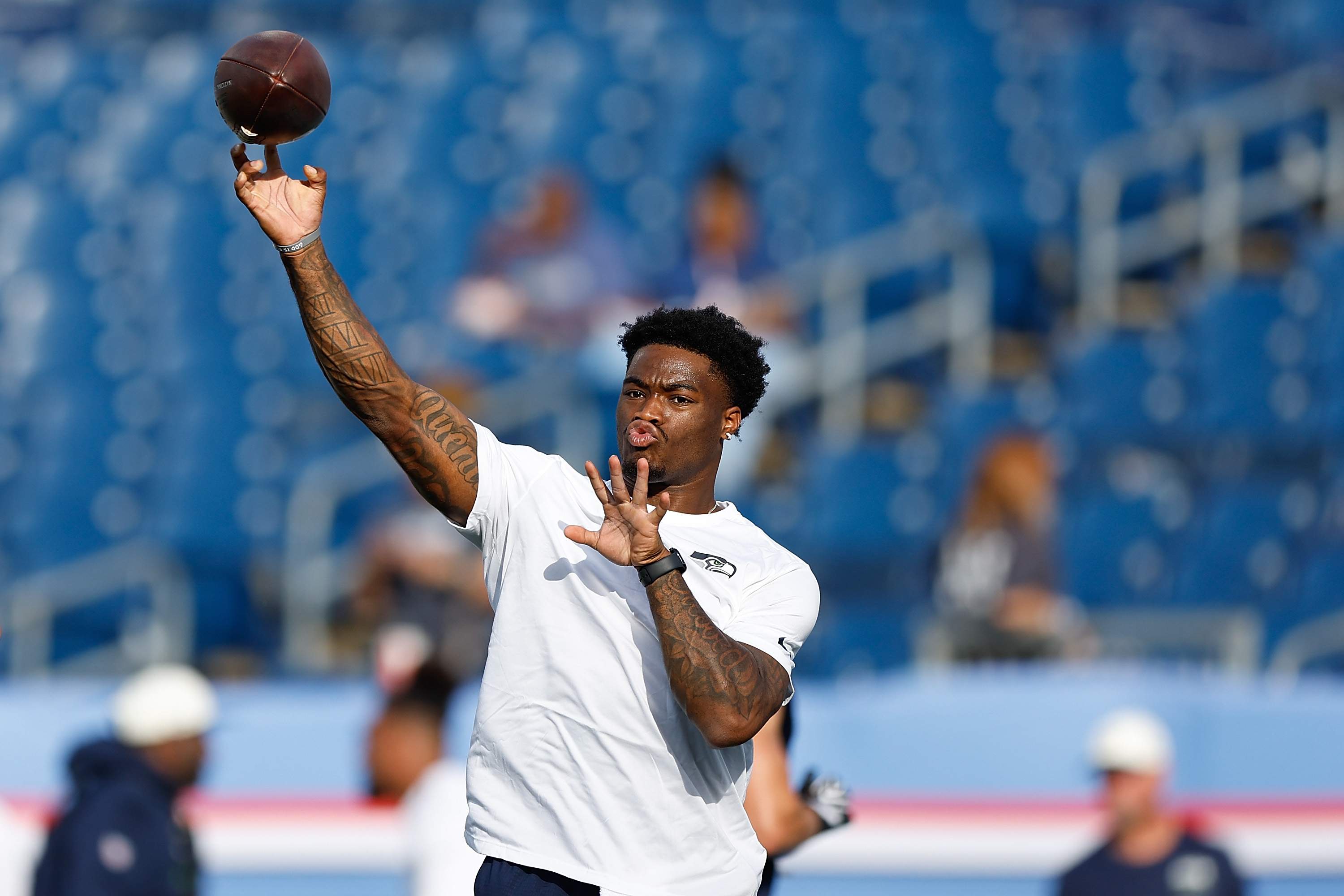
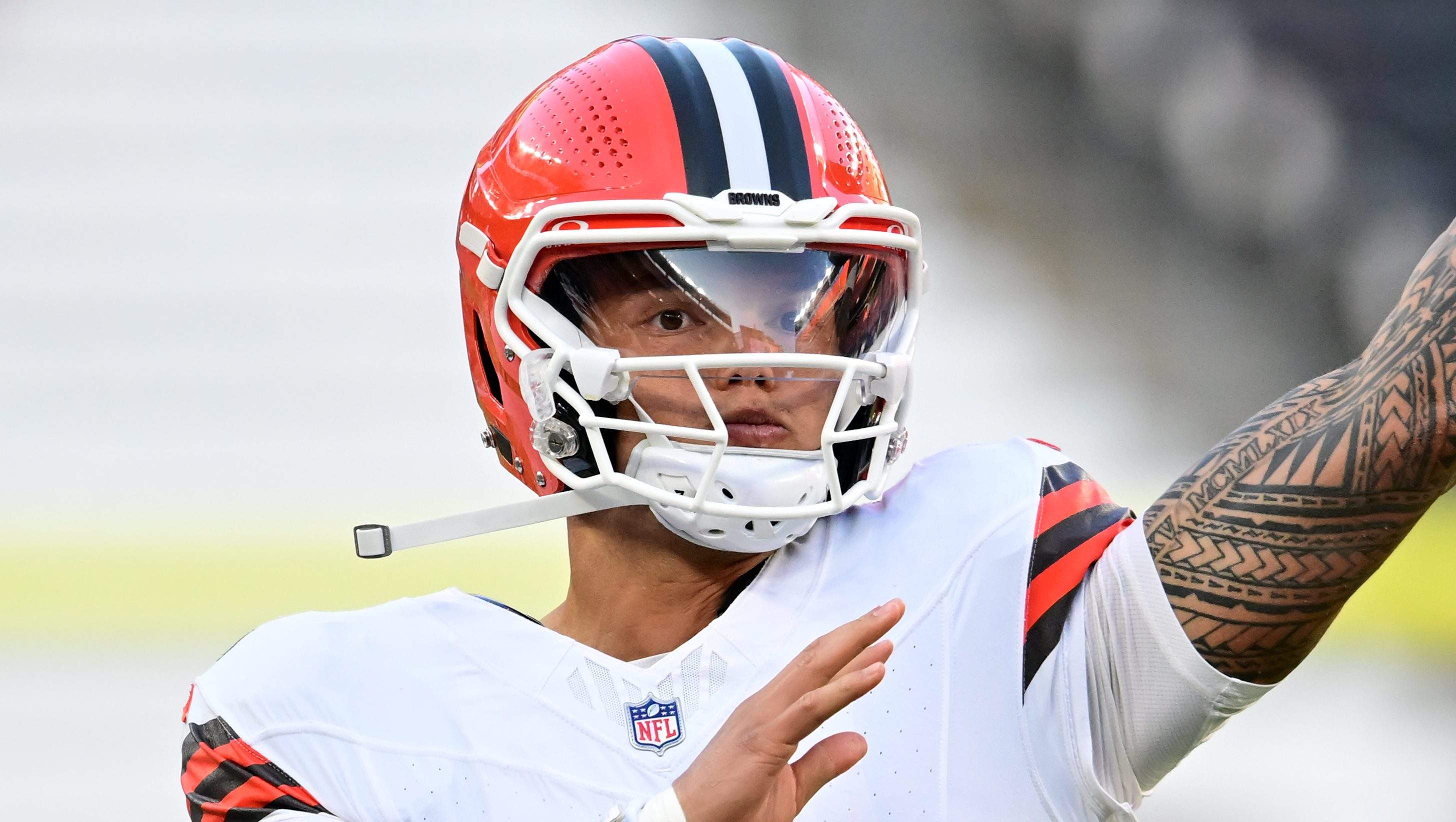
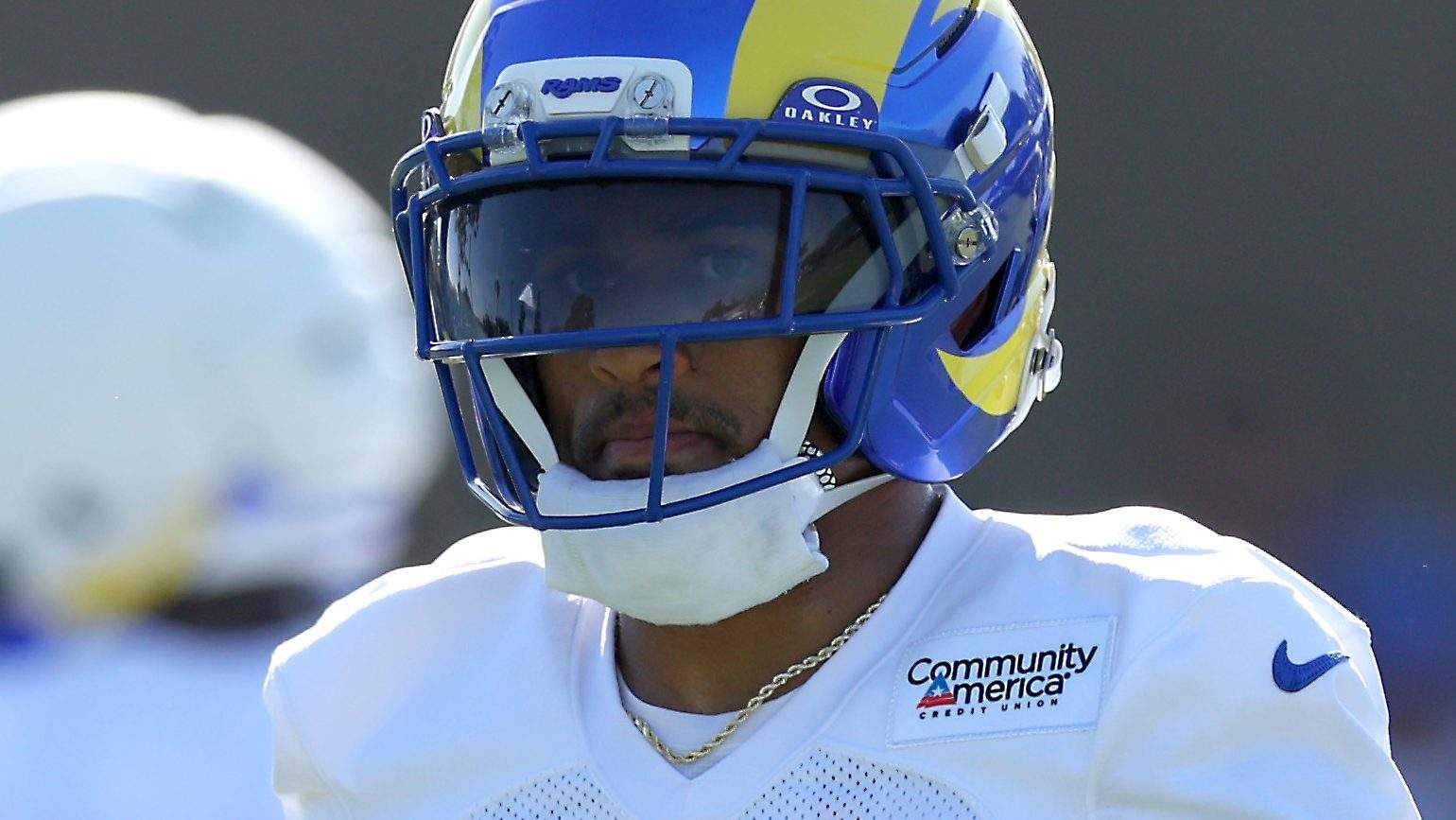
One veteran who has drawn particular attention in this evaluation window is eight-year NFL veteran Marquez Valdes-Scantling. He joined the Cowboys in the offseason with an established résumé, including two Super Bowl titles and a track record as a productive wide receiver. Still, the current camp competition has been intense, and Valdes-Scantling has faced a challenging uphill climb to secure a regular-season role.
Dallas enters this stage with a notably gifted wide receiver corps. The group already features multiple young playmakers who have shown immediate upside during the summer. In particular, rookie and second-year players have stepped into the spotlight, delivering strong performances that have raised the bar for the unit as a whole. The abundance of talent means the coaching staff must weigh how to balance promise with proven production, while also considering special-teams value and role clarity for each rostered receiver.
Valdes-Scantling’s case hinges on several factors beyond raw stats. Experience and leadership can be valuable, especially in a wide receiver room that includes a mix of veterans and youngsters. On the other hand, the value of the younger players who have stepped forward—showing strong routes, reliable hands, and the ability to contribute in multiple ways—can complicate the veteran’s path to a secure spot.
The broader context is that the Cowboys are broader and deeper at wide receiver than in some recent seasons. This depth affords the coaching staff flexibility to carry a smaller active roster at the position or to preserve a valuable practice squad asset if a player remains unsigned on waivers. If Valdes-Scantling clears waivers, the team could keep him as a depth piece on the practice squad, where he could provide veteran guidance and be ready to contribute if injuries or performance dips necessitate his call-up.
Beyond receiver depth, the Cowboys’ overall roster construction reflects progress in several areas. The team has competition at multiple positions, including wide receiver, where a mix of proven production and high-upside youngsters is pushing for roster spots. This environment underscores the franchise’s broader strategy: build a roster that can adapt to varied game plans, sustain performance through a long season, and maximize contributions from both established players and emerging talents.
From a planning standpoint, the coaching staff will likely weigh several key considerations:
– Anticipated depth at each position and how it translates to game-day availability.
– Special-teams contributions, which can influence the final decision when players are on the bubble.
– The potential for maintaining a robust practice squad with veteran experience while still preserving space on the 53-man roster for impact newcomers.
– Long-term flexibility versus immediate need, especially in a league where roster turnover around cutdown day can be substantial.
In this context, Valdes-Scantling represents a nuanced crossroads. His experience and proven career can bring value to a team that seeks steady, reliable performance in key moments. Yet the rising popularity and effectiveness of younger receivers on the roster may render his role more limited than anticipated. If a roster spot remains unsettled, the Cowboys could explore keeping him as a practice squad staple, ensuring that they retain depth and veteran knowledge without sacrificing room for younger, developing players.
Ultimately, the Cowboys’ decisions will reflect a balance between proven production and future potential. The depth at the wide receiver position is a clear strength, which bodes well for the team’s competitive outlook in 2026. As final cuts approach, many players will be forced to move on, while others will seize the opportunity to contribute in meaningful ways as the season unfolds. The coming days will determine how the Cowboys shape their roster to maximize strength, versatility, and long-term resilience.