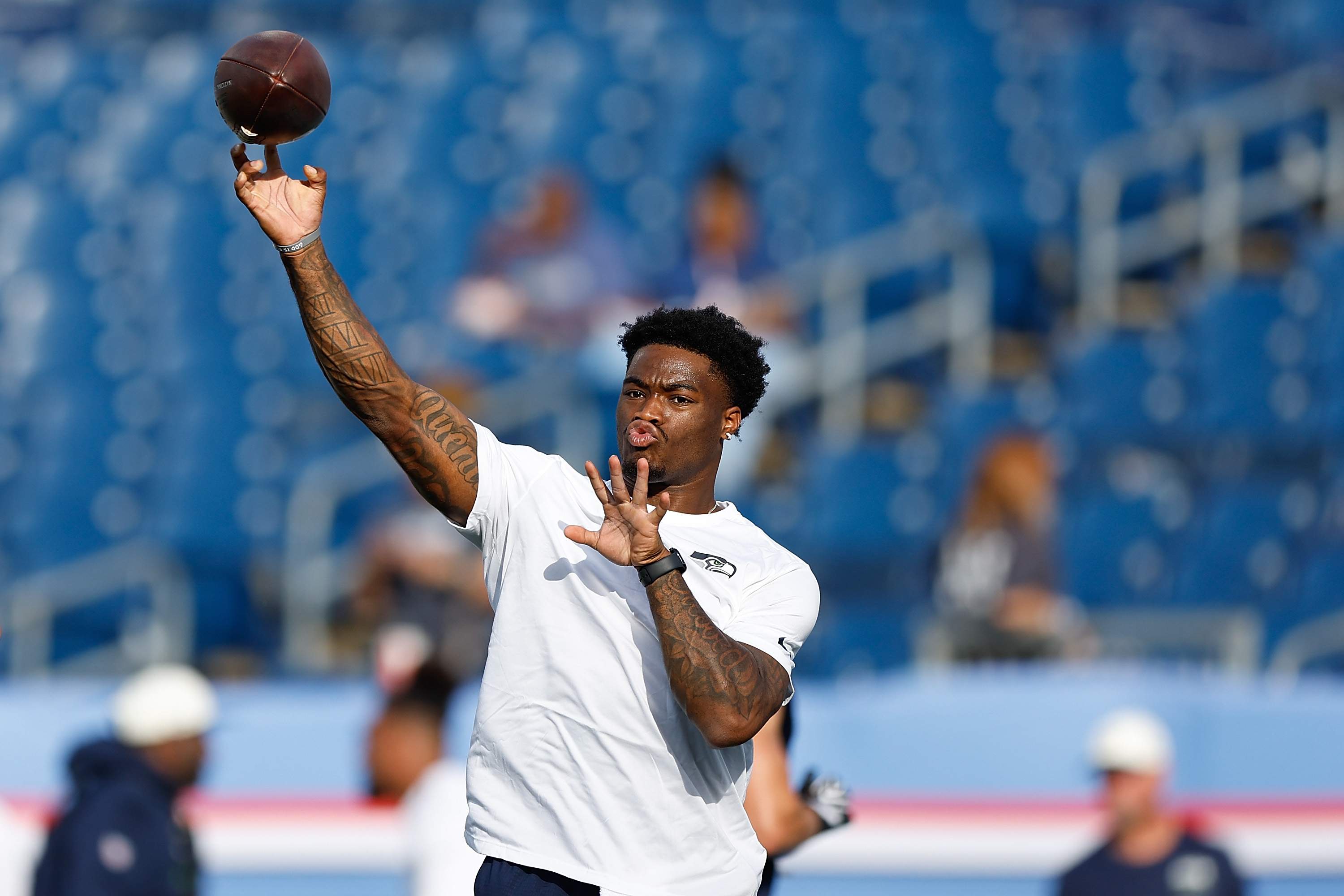
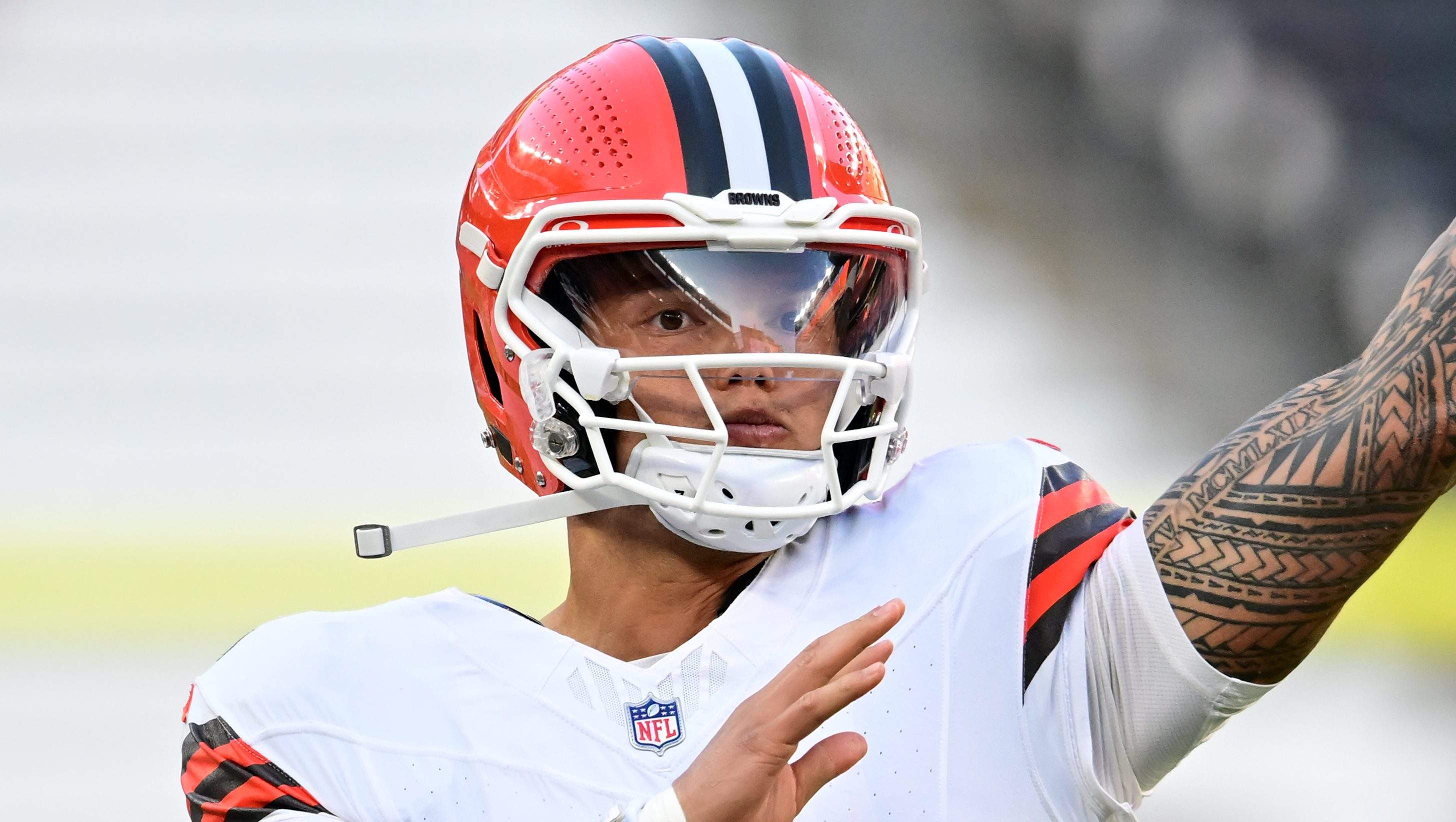
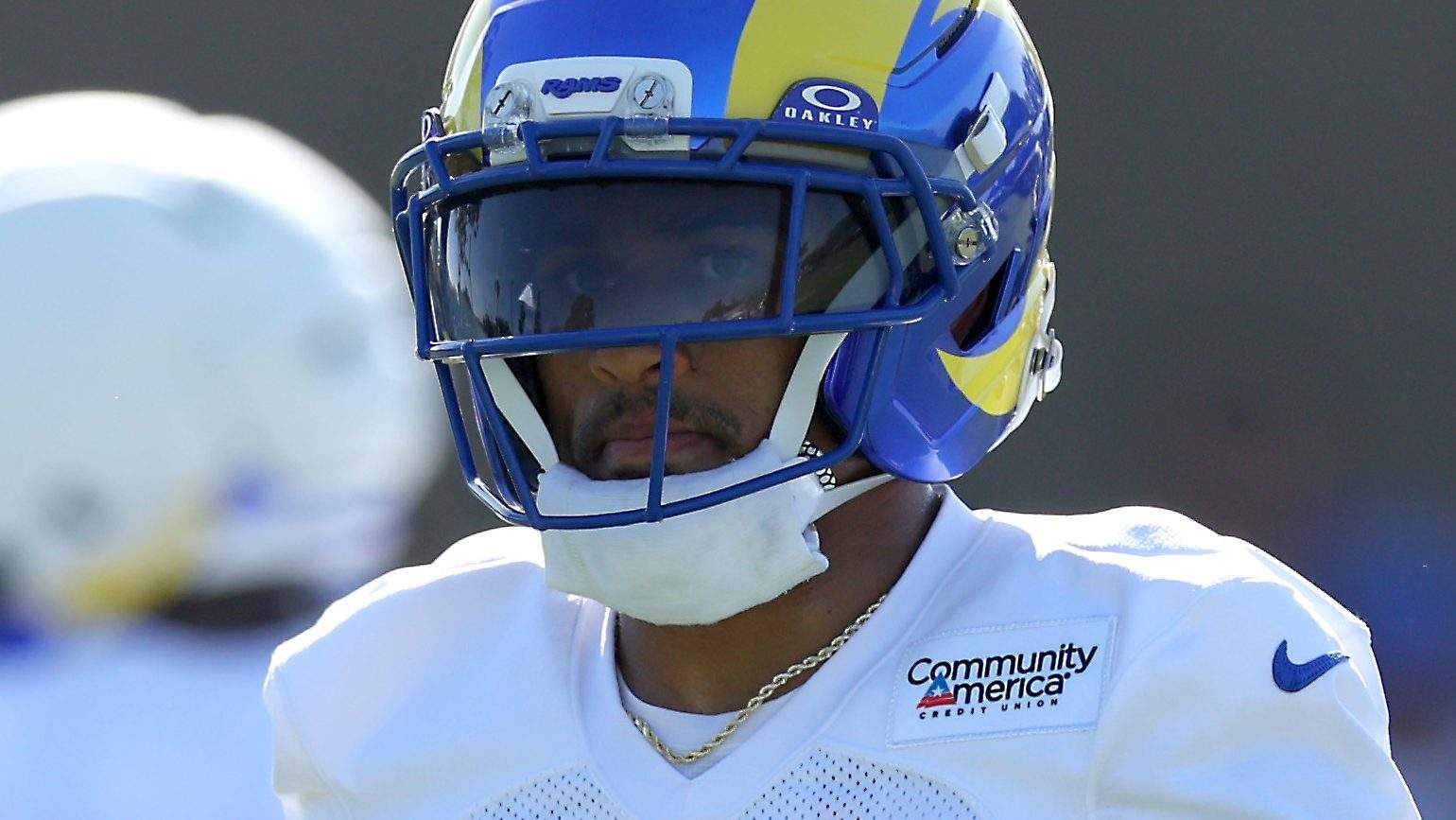
Gabriel is slated to start the Browns’ final preseason game, while Taylen Green is expected to take a substantial workload as well. Deshaun Watson and Shedeur Sanders, who shared starts in the first two exhibitions, will sit this time around. The arrangement sets up a direct audition for Gabriel and Green, each vying for a roster spot in a crowded quarterback room.
Analysts suggest Green may hold a slight edge heading into the game. Observers note that Green’s physical tools—size, arm strength, and athleticism—present a developmental upside that the team values for the long term. This is not only about this season but also about what kind of quarterback depth the Browns want to cultivate for future deployments.
Gabriel’s profile is noticeably different. He was drafted in the third round of the 2025 class after an earlier, high-profile college ascent. Proponents of Gabriel cite his football IQ and his ability to process information quickly as strengths. They argue that his grasp of the offense and the mental acuity to read defenses could help him mature into a reliable contributor if he can showcase incremental improvements in games.
The coaching staff has been candid about the reality that the final preseason game will bear heavily on roster decisions. The head coach and the offensive coordinator have underscored that practice reps are limited and that game reps carry significant weight for evaluating who can contribute in the regular season. With both quarterbacks needing meaningful exposure to NFL speed and playbooks, the upcoming matchup offers a forum to display decision-making, command of the huddle, and composure under pressure.
Gabriel’s summer has featured a mix of highlight moments and rough patches. He showed flashes in camp and earned extended second-team opportunities, with coaching staff remarks emphasizing his preparation and ability to translate meeting-room lessons to on-field execution. Yet, the preseason has not always mirrored those impressions. In the early exhibition, he completed a modest number of passes and faced pressure that limited his opportunities to demonstrate consistency. The subsequent game presented its own set of challenges, including penalties and a stalled offensive sequence that proved costly for the unit.
Specifically, Gabriel’s preseason stats reflect a learning curve. He delivered several incomplete attempts and was part of a few high-pressure drives that did not end in points. Mixed outcomes in the first two games have kept the evaluation process loud and clear: consistency, command, and decision-making under real-game tempo remain the primary criteria. The Browns’ coaching staff has reinforced that the final evaluation will weigh the balance of technique, situational awareness, and leadership under the game-day environment.
From a roster-building perspective, the Browns face a familiar crossroads: how to allocate one of the quarterback spots given a veteran-led room, a recent riser, and a group aiming to maximize long-term development. The decision-making apparatus is clear in its division of labor—some responsibilities for quarterback two could be influenced by the head coach’s philosophy, while the front office has the ultimate fiduciary responsibility for the roster as a whole. This split underscores the belief that the eventual choice could hinge on a combination of on-field performance and organizational priorities.
Beyond the quarterback competition, the preseason play has highlighted the broader context of how the team assesses development pipelines. Green’s potential development arc provides the Browns with a longer runway for a back-end roster plan, whereas Gabriel represents a more immediate option, someone who could contribute if the current starter is sidelined or if a future transition is contemplated in a structured, long-term plan. The dynamics of this decision are shaped by both tactical considerations and the franchise’s strategic direction for the quarterback position.
Looking ahead to the final game, all eyes will be on how each quarterback seizes their additional reps. The coaching staff will be evaluating not only throwing accuracy and arm strength but also the ability to handle blitz packages, audible checks, and rhythm with the receivers. The environment will test pocket presence, footwork, and the ability to extend plays under pressure—critical competencies for any quarterback hoping to secure a role on an NFL depth chart.
As the roster deadline approaches, the Browns will trim their roster from the current count to the league-mandated limit. The outcome of the final preseason game could crystallize who makes the 53-man squad, who becomes the team’s developmental project, and who might move to the practice squad or other contingencies. Both Gabriel and Green understand the magnitude of the moment: their performance in the finale will be a defining factor in whether their NFL future with Cleveland remains bright and immediate, or whether their paths might take a different course.
Gabriel has consistently spoken about focusing on the process—maximizing the opportunities he receives and continuing to improve with each rep. His mindset remains essential as the competition reaches its decisive phase. The Browns’ evaluation process will consider not only this game but how well each player internalizes coaching feedback, adapts during the game, and carries the lessons into the next steps of the season.
In summary, the final preseason outing will have significant implications for the quarterback competition in Cleveland. The team is weighing present needs against future potential, balancing the desire for immediate contribution with the strategic value of a high-upside developmental option. As the game unfolds, the Browns will be watching closely to determine which quarterback best aligns with the organization’s balance of grit, growth, and long-term planning.