Kim had been mired in a tough stretch at the plate, with his last hit dating back to June 3. His production this season has been limited, and the Braves’ decision to insert him into the lineup for the series finale against the Dodgers signaled a concerted effort to spark some momentum from the veteran utility man. The manager has shown willingness to lean on Kim in high-leverage moments, a move aimed at reigniting his offense as the season progresses.
Heading into the series finale, the Braves lined up with Kim batting ninth and starting at shortstop for the first time in a while. The full Braves lineup for the game featured D. Baldwin behind the plate, Ozzie Albies at second base, Matt Olson at first, Marcelo Dubón in left field, Michael Harris II in center, Michael Yastrzemski in right, Austin Riley at third, Kim at short, and Chris Sale on the mound as the starting pitcher.
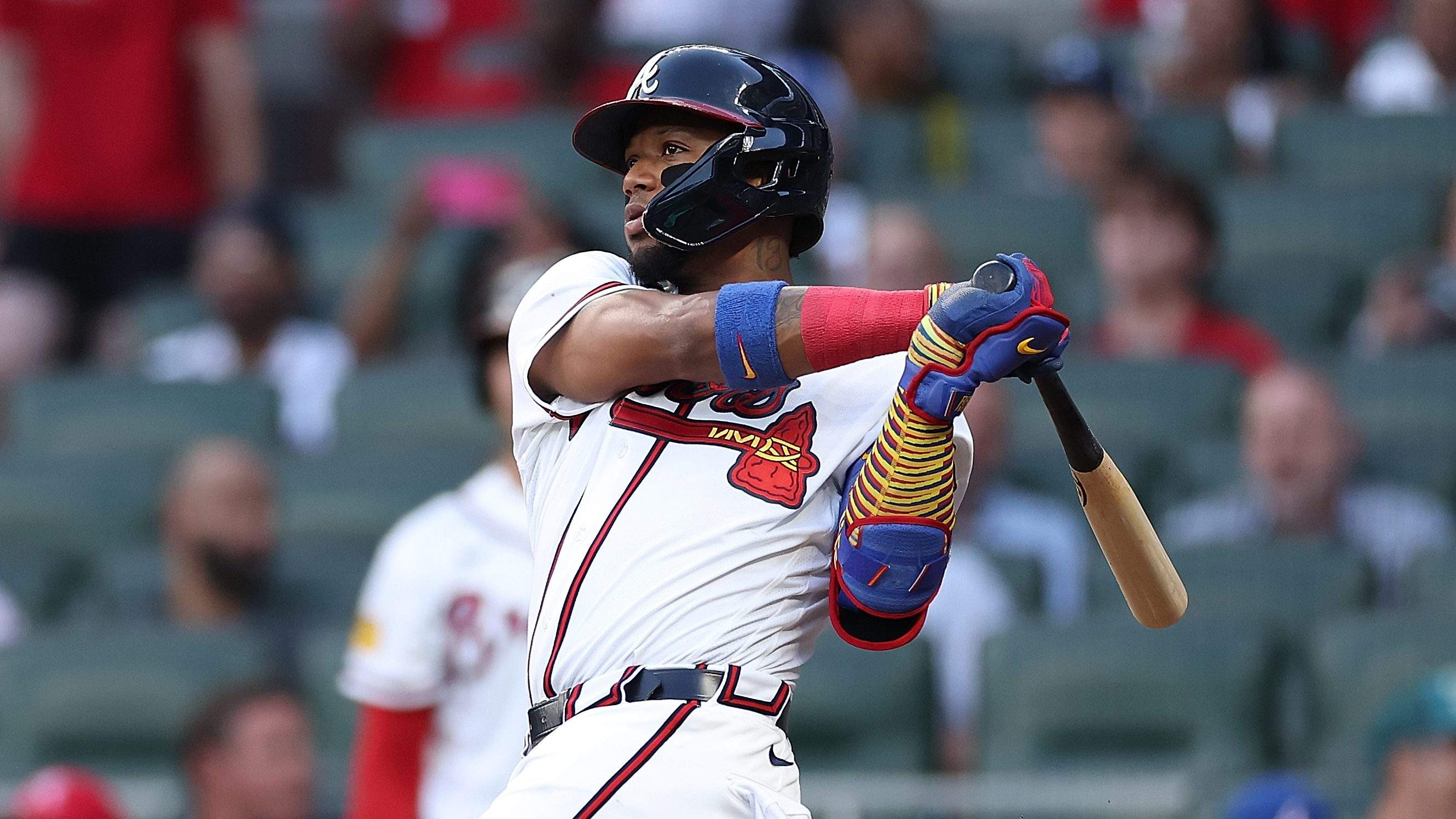
This playing-time adjustment follows other changes in the lineup, including Ronald Acuña Jr. taking a day off and Ozzie Albies moving up to the two-hole. These moves illustrate the Braves’ flexible approach to lineup construction, aiming to maximize offense while keeping key players fresh over a long season.
Reaction to Kim’s ninth-inning blast and his broader role with the club has been mixed but generally positive, with fans and analysts noting the moment as a reminder of his potential impact when he’s healthy and productive. A number of observers highlighted Kim’s recent performance as evidence that the Braves should continue to find ways to utilize his bat down the stretch, especially in matchups that could favor his left-handed swing and speed around the bases.
From a broader perspective, Kim’s season has included a notable shift in playing time, particularly after a stint on the injured list earlier in the year. Since being activated in August, his opportunities have fluctuated, but a standout moment like the one against the Dodgers can reset perceptions and give the coaching staff more reason to consider him for late-inning scenarios or spot starts.
Looking ahead, if Kim can replicate the replicable elements of his game—contact, situational hitting, and the ability to deliver a timely RBI—he could see more consistent at-bats as the Braves navigate the rest of the schedule. A few productive at-bats, especially against capable pitchers like Yoshinobu Yamamoto, can go a long way toward rebuilding confidence and establishing a rhythm that has eluded him at times this season.
Beyond this particular game, the Braves’ tactical decisions around Kim reflect a broader strategy of leveraging depth and experience to maintain offensive balance. The club has shown a willingness to rotate players in and out of the lineup as needed, pairing veteran leadership with emerging talent to sustain production during a demanding stretch of the campaign.
In summary, Ha-Seong Kim’s ninth-inning single for a walk-off win stands as the centerpiece of a larger narrative: a player who has faced adversity and reshaped his role when the moment demanded. For Braves fans, the moment was a glimmer of optimism—proof that Kim can still be a decisive contributor when given a chance, especially in late-game situations. If Kim can build on this moment with continued production, he may become a more regular and impactful piece of Atlanta’s offensive puzzle as the season winds down.