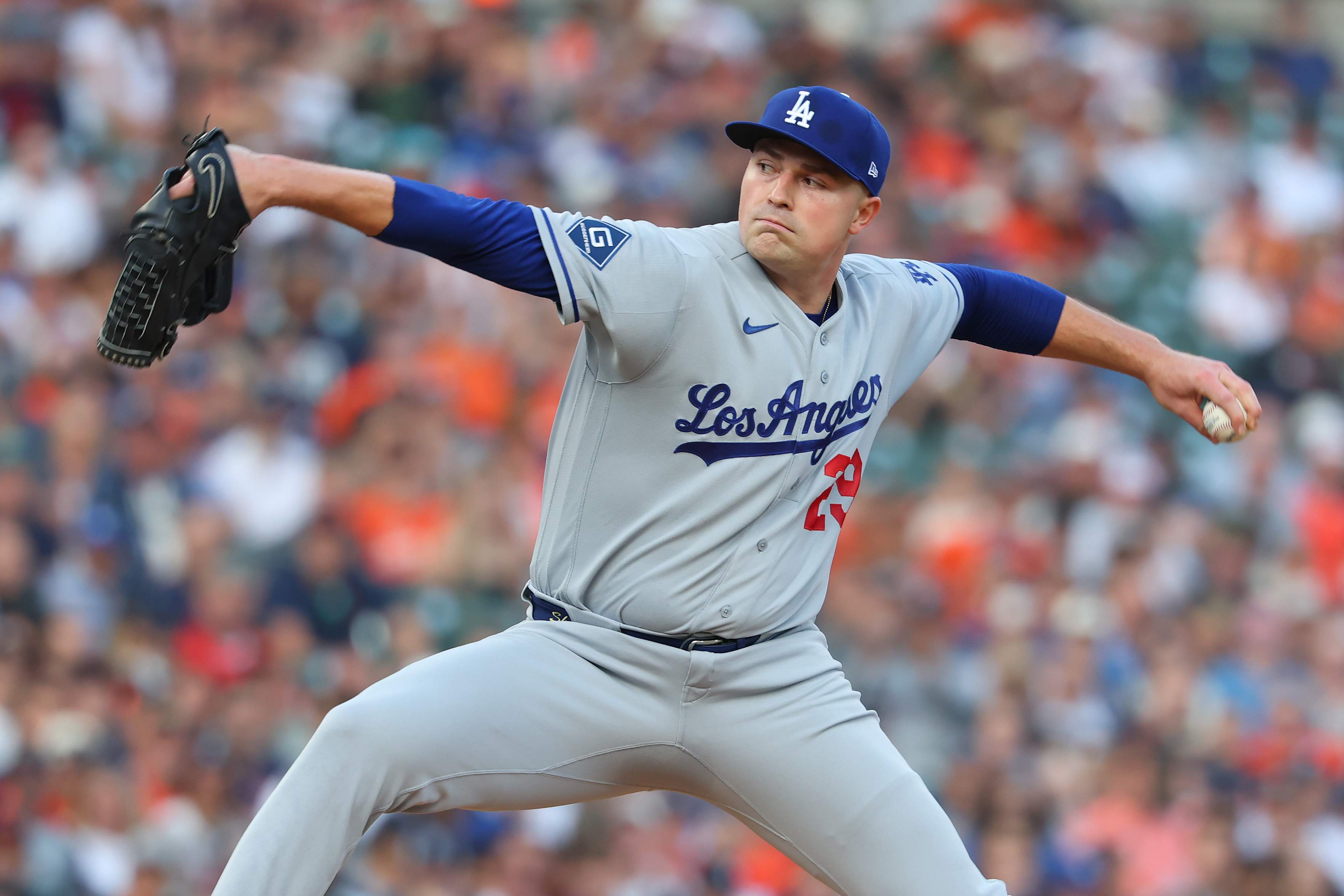
Anderson’s ascent arrives at a moment of heightened anticipation. The young left-hander has drawn significant attention for his performance at the higher minor-league levels, and his MLB debut is on the horizon. He is slated to start against the Chicago Cubs at T-Mobile Park, with first pitch set for 7:15 p.m. Eastern Time (4:15 p.m. Pacific Time). The promotion underscores the Mariners’ intent to evaluate their developing pitching talent at the highest level, potentially accelerating plans for the rotation in the near term.
Context surrounding the promotion includes the Mariners’ position in the standings. Seattle sits within striking distance of the postseason, though they face a substantial climb. They trail the Houston Astros by four games in the American League West and remain three games back of the final Wild Card berth. Projections from analytical models suggest a meaningful chance of chasing down a playoff spot, but the path remains narrow and highly competitive.
Kade Anderson’s path to this moment has been marked by rapid advancement and strong results. As the No. 3 overall pick in the 2025 MLB Draft, Anderson was recognized for a standout college career, culminating in him being named the Most Outstanding Player of the College World Series as LSU secured the national championship. He entered professional baseball with a reputation for a polished three-pitch mix, quality velocity, and a track record of performing in high-pressure environments. In the 2025 season, Anderson delivered impressive numbers across the Arkansas and Double-A levels, establishing himself as one of the premier pitching prospects in the organization.
During his time in the lower minors, Anderson demonstrated consistency and development that translated well to higher competition. In 18 starts for Arkansas, he posted a near-record ERA while producing dominant strikeout numbers, signaling an ability to miss bats at a high rate. Those traits—durability, control, and the ability to command multiple offerings—have been central to the scouting consensus that he is ready for the jump to the majors. His promotion represents a bet on continued development at the highest level and an opportunity for the Mariners to evaluate his long-term fit within the club’s plans.
The timing of Diaz’s designation for assignment is tied to roster management and the organizational depth at the bullpen and rotation spots. Diaz has spent portions of three seasons with Seattle, contributing in limited innings at the major league level. His journey with the Mariners has included multiple DFA actions, reflecting the volatile nature of bullpen management and the ongoing evaluation of depth options. For Diaz, the DFA and potential outright reassignment or release provide a last chance to hook on with Seattle or explore opportunities elsewhere. His major league opportunity in Seattle had previously included stints with the club where he appeared in several games in recent seasons, but the current move signals a reshaping of the roster as the organization looks toward the next wave of contributors.
From a broader strategic perspective, the Mariners’ decision to promote Anderson and open a roster spot by designating Diaz aligns with a longer-term approach focused on youth and upside. The organization has several pitching prospects who have drawn attention for their potential to contribute at the major league level in coming seasons. The imminent MLB debut for Anderson is part of a broader narrative about how Seattle plans to balance immediate needs with a sustainable, competitive rotation built around young, controllable arms.
As the season progresses, the impact of Anderson’s debut will be closely watched. The rookie’s performance could influence decisions about how the team allocates playing time and resources for the rotation in the short term and how it approaches the team’s free-agent and trade considerations in the upcoming offseason. If Anderson proves to be a reliable contributor, the Mariners could gain clarity on how to optimize the rest of the starting group, potentially affecting plans for veterans in the rotation and how the club prioritizes developing internal assets versus making external additions.
In sum, the Mariners have taken a decisive step by promoting Kade Anderson, signaling belief in his potential to contribute at the major league level. The move comes amid a competitive push for a postseason berth and a broader organizational strategy centered on cultivating homegrown pitching talent. Diaz’s DFA adds a layer of roster churn that is common in teams navigating the complexities of a pennant race, trying to maximize performance while preserving flexibility for the future.
Fans can expect a new chapter in Seattle’s ongoing pursuit of success, with Anderson’s debut representing not only a milestone for him personally but also a potential turning point in how the Mariners shape their rotation in the years ahead.