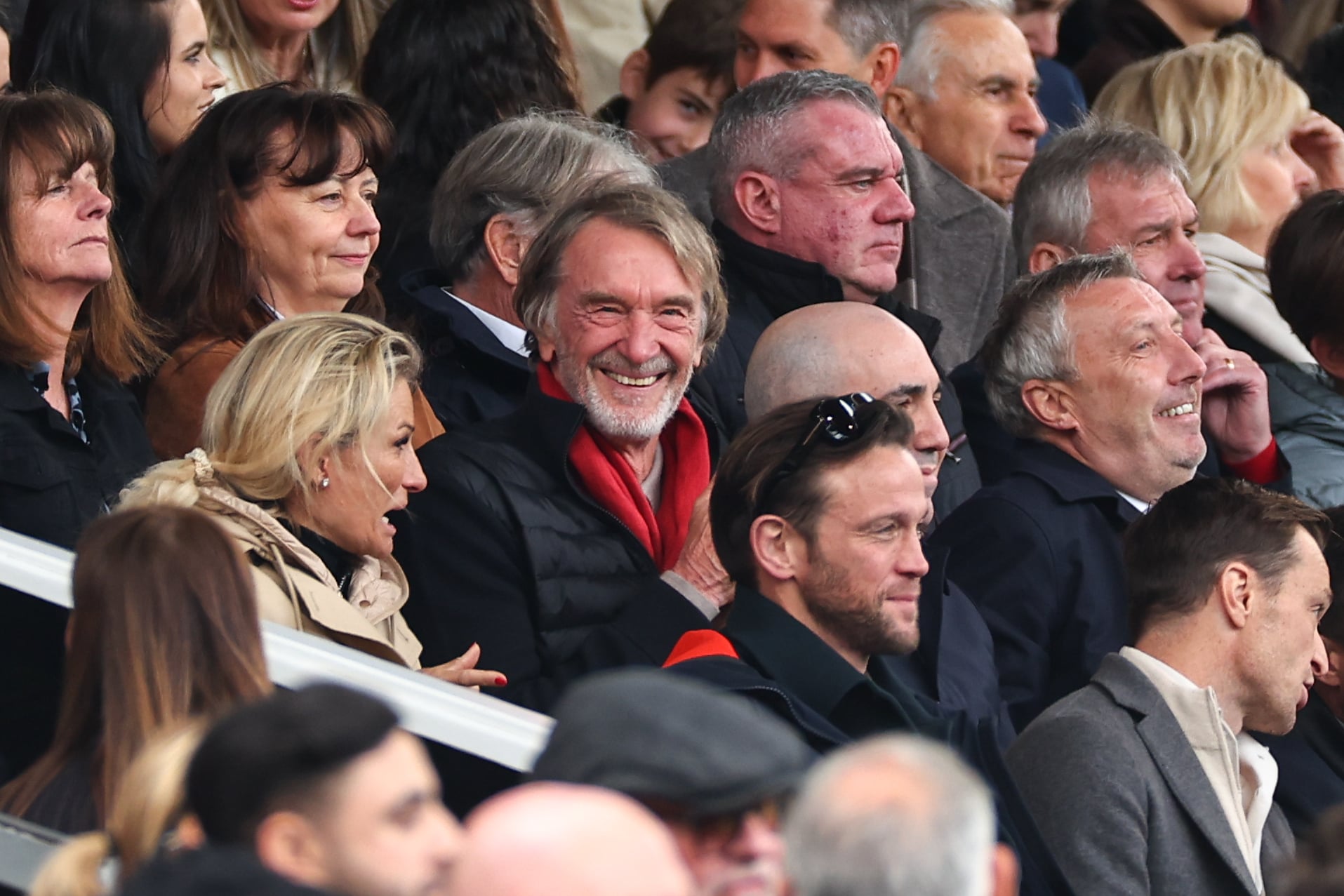
Ring-fencing the left-back slot has long been a topic of debate among supporters and analysts. When Ed Woodward and the footballing leadership at United presided over several signings, many felt that some acquisitions failed to meet the standard required to push the team forward. Sir Jim Ratcliffe’s regime has promised a more rigorous approach to recruitment and development, with a clear focus on sustainable, footballing decisions rather than high-profile but ultimately underwhelming signings. The current question is whether United will learn from earlier errors and secure a player who can contribute immediately while also growing into a long-term starter.
The central issue hinges on whether Lewis Hall remains a viable target. Reports have suggested that the club’s pursuit of Hall has stalled, and this setback would be a significant blow to the left-back options available this summer. If Hall does not materialize, the club must resist the temptation to settle for a veteran or a stopgap option who cannot displace Luke Shaw when needed or who cannot develop into a successor over the next decade.
Past missteps offer a cautionary tale. A few seasons ago, Manchester United brought in left-backs such as Sergio Reguilon, Alex Telles, and Tyrell Malacia as back-up options in the event of Shaw’s absence. While the squad needed defensive versatility, none of these signings proved to be robust long-term solutions when Shaw faced injuries or dips in form. The lesson is clear: the club should avoid taking a risk on a player who is unlikely to become a first-choice option, or one who cannot grow to challenge Shaw’s position at the highest level.
If Hall isn’t available, the prudent path is to cultivate a young, high-potential talent who can evolve into a regular starter. Harry Amass has emerged as a contender in this regard. His profile suggests a ceiling that could justify a first-team pathway, provided he is given the opportunity to develop without being rushed into immediate pressure. The alternative—signing a mid-20s, mid-tier player to serve as a temporary solution—runs the risk of squandering a precious development window and stalling the club’s long-term plans.
Another option worth considering is Adrien Truffert, who has the credentials to compete at a high level and could offer a level of quality that allows Shaw to be rotated or gradually phased out over time. Any decision, however, should balance immediate competitiveness with long-term readiness. The objective is to avoid choosing a short-term fix that resembles a misallocation of resources, and instead opt for a solution capable of delivering peak performance across multiple seasons.
The broader context is one of building a cohesive squad where every signing contributes to a clear tactical blueprint. A successful left-back acquisition should bring a blend of defensive solidity, pace, and the ability to contribute going forward, ideally with the versatility to play in various setups. The right choice will also align with the club’s broader transfer strategy, ensuring that resources are allocated to players who can grow within the system and deliver sustained impact.
In summary, Manchester United’s decision on the left-back position this summer is more than a single-name pursuit. It is a test of the club’s ability to execute a patient, data-driven recruitment process that prioritizes long-term value over short-term notoriety. If Hall is unavailable, the preferred path is to trust in a young prospect such as Amass, provided he is given a genuine chance to develop. Alternatively, pursuing a player like Truffert could provide the necessary quality to challenge Shaw while maintaining the club’s aspirational standards. Ultimately, the goal is to avoid repeating past errors by balancing immediate squad needs with a robust, future-facing plan that secures a left-back capable of representing Manchester United with distinction for years to come.