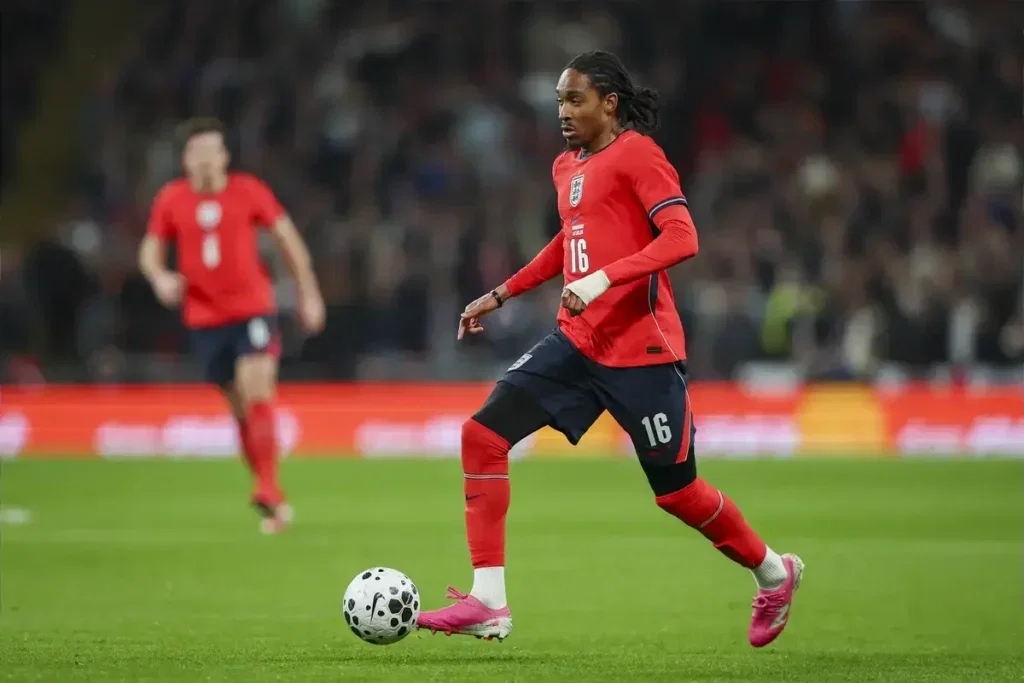
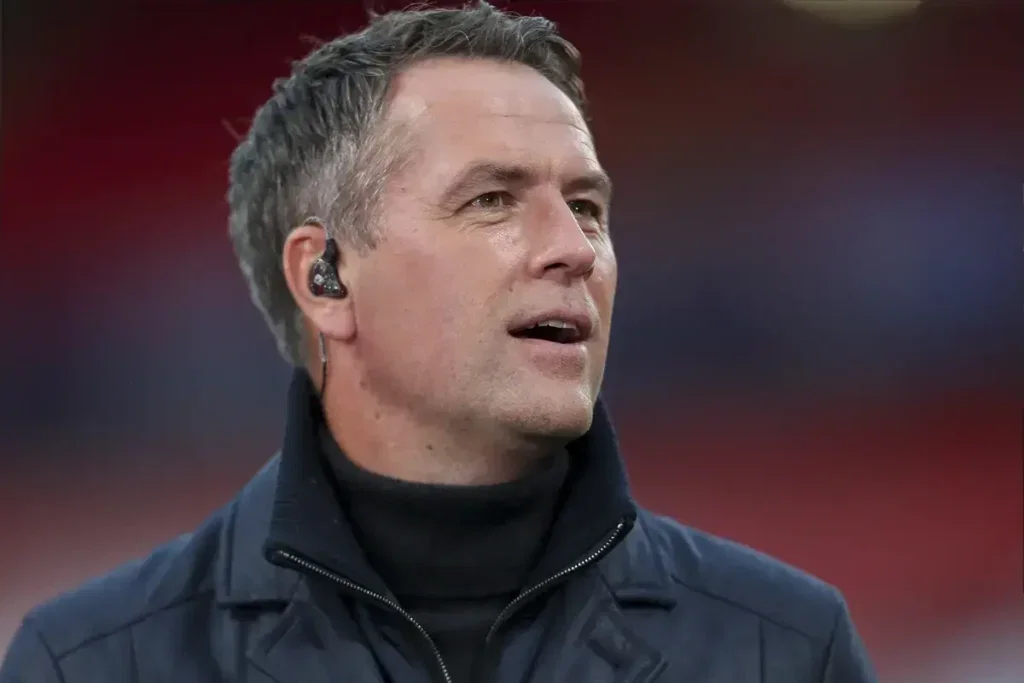
A string of seven goals conceded across three exhibition fixtures, capped by a 4-2 loss to Leeds United, has underscored issues at the heart of Iraola’s side. Defensive fragility was laid bare when Liverpool were forced to line up a central-back pairing that relied on young academy graduates: Ifeanyi Ndukwe, Luke Chambers, and Mor Talla Ndiaye. While blooding academy talent is commendable, leaning on unproven options in August signals a broader problem: Liverpool’s central defense is not yet equipped to carry the load demanded by a modern, relentless pressing approach.
Gaps behind the attack have intensified scrutiny of the recruitment strategy. The club’s sporting director, Richard Hughes, faces a pressing timetable to shore up the squad. Attention has long been split between strengthening up front and shoring up the backline. On the attacking side, the pursuit of attacking reinforcements has been prominent, with targets such as Yan Diomande and Paris Saint-Germain’s Bradley Barcola drawing headlines. Diomande reportedly turned down a move to Liverpool, while negotiations with Barcola have remained in a stalemate over valuation. While the focus on improving the attack is understandable given a desire to add pace and variety to the frontline, concerns persist that defensive depth has not received commensurate attention.
The departure of Ibrahima Konaté to Real Madrid has intensified the sense of exposure at the back. The current injury and availability picture is not ideal. Virgil van Dijk remains the only fully fit senior center-back, having carried a heavy load in the previous campaign. Joe Gomez has been sidelined by a pre-season setback, while younger options like Jeremy Jacquet and Giovanni Leoni are working through injuries and lengthy rehabilitations. Conor Bradley is also managing an extended spell on the sidelines. In addition, Ifeanyi Ndukwe, despite showing promise in pre-season, faces work-permit constraints that could push him toward a loan exit.
With the August deadline looming, Liverpool have begun exploring options on the continent. Discussions with AC Milan regarding Fikayo Tomori have emerged as a potential solution. Tomori, 28, is a defender with proven European experience and a track record of performing in high-stakes leagues and matches. At Milan, he made 33 Serie A starts in 2025/26 and played a key role in the club’s recent successes, including a Serie A title in 2022 and a 2025 Supercoppa Italiana win. He is currently in the final year of his contract, which could present a value opportunity amid a market characterized by inflated prices for established defenders. Such a transfer would represent a tactical fit for Iraola’s blueprint: pace, aggression, and experience at the highest levels, allowing him to slot straight into the starting XI and stabilise the defense.
Tomori’s profile aligns with what Liverpool need. He offers elite recovery pace to cover a high defensive line, a track record of big-match performances, and the experience of a Champions League environment. His presence could immediately improve the balance of the backline and provide a reliable partner for the captain Van Dijk or other central-defensive partners as the squad undergoes a period of assembly. If Liverpool can wrap up a deal for Tomori and also secure support at the winger position, the window could still be viewed as a success in strengthening both the spine and width of Iraola’s squad.
Patience in the transfer market is ebbing as the season approaches, and supporters recognize the ambition in Iraola’s approach. The challenge now is for the club’s hierarchy to translate that tactical vision into on-pitch results by closing meaningful, high-impact signings before the window closes. Imagining a seamless shift to a pressing, organized defense requires more than potential; it requires players who can contribute immediately and endure a demanding schedule.
The roadmap to a competitive season hinges on a decisive, well-timed investment in defensive depth, paired with reinforcement to the attacking unit. A defender of Tomori’s calibre would bring not only reliability and experience but also the necessary tempo to execute a high line and aggressive pressing system. Additionally, adding a frontline winger would help diversify the attack and reduce the burden on the midfield and full-backs to create chances under pressure.
In sum, Iraola’s Liverpool face a critical window where tactical ambition must be matched with practical strengthenings. The club’s ability to secure a proven defensive anchor and complementary attacking options could determine whether the new era at Anfield starts with momentum or remains hamstrung by structural gaps. As the transfer window nears its close, the focus should remain on shoring up the spine of the team while also adding dynamics higher up the pitch, enabling Liverpool to compete effectively across domestic and European fronts.