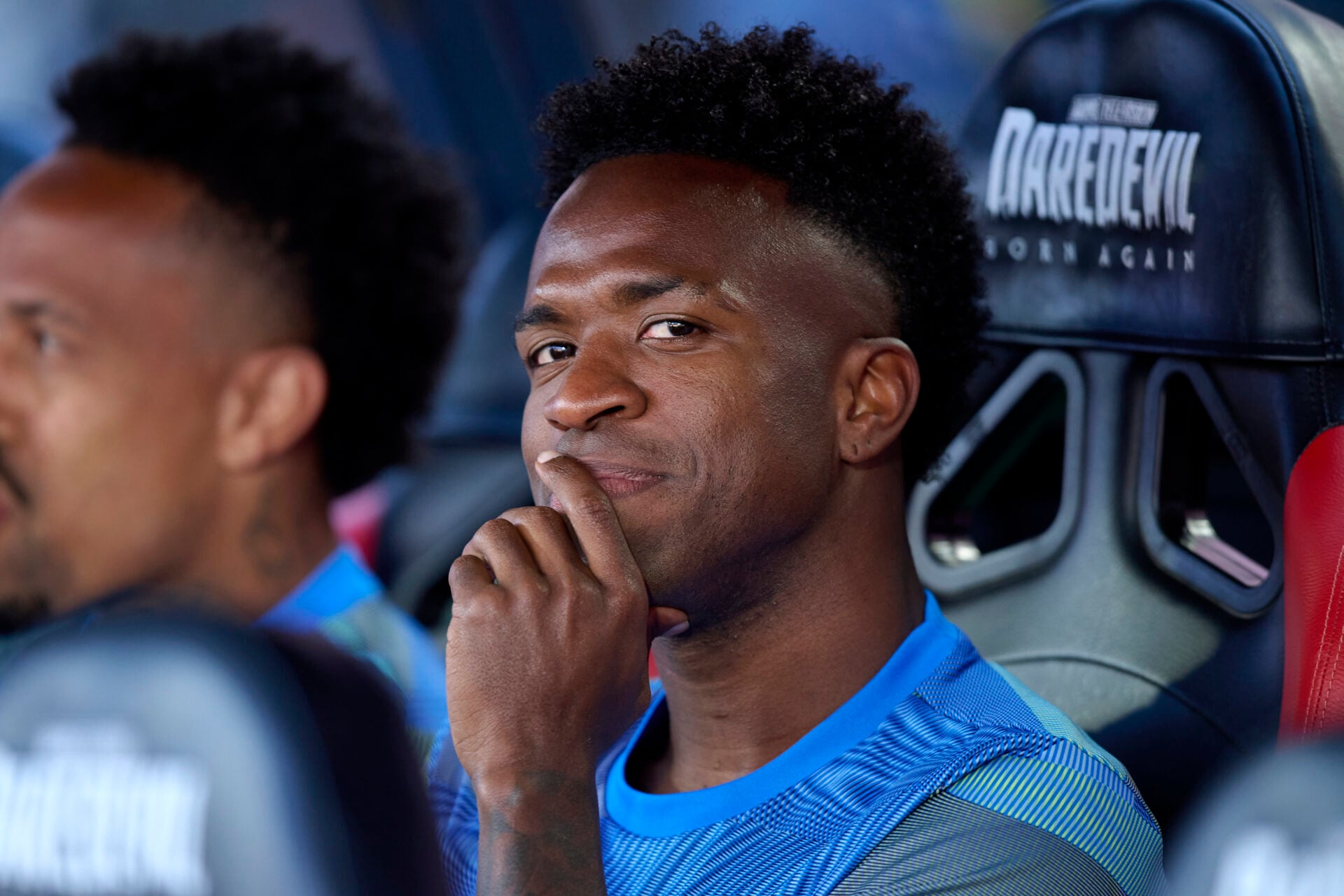
Following Arsenal’s domestic triumph and a near-miss in Europe, fans and pundits anticipated a bold summer of recruitment. While the spotlight initially centered on Julian Álvarez, linked to a move from Atlético Madrid, there are whispers of an even more ambitious pursuit. The idea of luring Vinícius Júnior to North London has generated considerable intrigue, with discussions suggesting he could become Arsenal’s most transformative signing to date.
Salary considerations have quickly come to the fore in negotiations. Real Madrid and Vinícius have been engaged in talks over a new contract for over a year, as the player has established himself as one of the club’s top earners. Current reports indicate that Vinícius is earning around €17 million annually in net terms, positioning him among the highest-paid players at the Santiago Bernabéu. Real Madrid have reportedly offered a raise to approximately €20 million per year, a figure high enough to place him ahead of many peers, including some of the world’s biggest stars.
However, the financial discussions extend beyond base salary. Sources close to the negotiations have suggested that Vinícius’ representatives are seeking a compensation package that could total close to €30 million in annual value when including base pay, performance bonuses, and renewal-related incentives. Such a package would be unprecedented for Arsenal in purely financial terms and would require careful consideration of the total wage bill, tax implications, and long-term financial planning for the club.
If a move were to materialize, Arsenal would likely have to contend with a substantial weekly wage bill. Projections circulating in transfer chatter imply weekly earnings that could approach half a million pounds, depending on the structure of bonuses and signing-on arrangements. This kind of wage package would dwarf the recent terms awarded to other top players in the squad and would represent a strategic shift in the club’s contracts policy.
From a footballing perspective, Vinícius Júnior represents a rare combination of pace, dribbling prowess, and direct goal-threat that would significantly elevate Arsenal’s attacking options. He has established himself as one of the top talents in world football, performing at a peak level and contributing consistently in both domestic competitions and continental fixtures. Integrating him into Arsenal’s system would potentially unlock new tactical avenues, offering creativity, width, and scoring threat from wide positions.
Beyond on-field impact, Vinícius’ profile would carry substantial commercial and branding value for the club. His global fan base and marketability could bolster sponsorships, merchandising, and international appeal, particularly in regions where Real Madrid has historically enjoyed a strong following. For a club aiming to reinforce its status as a global brand, such a high-profile signing would align with long-term strategic objectives.
Nevertheless, any potential move would need to overcome several hurdles. Real Madrid would weigh the opportunity cost of letting a leading player depart, particularly one who has grown into a central figure at the club. Financial fair play considerations and the proportionality of wages within the squad would also factor into Real Madrid’s decision-making process. For Arsenal, balancing ambition with sustainability is essential; a deal of this magnitude would require careful structuring, potential player sales, and a robust business case to justify the investment.
In sum, the prospect of Vinícius Júnior joining Arsenal signals a bold statement of intent from the club. If the transfer comes to fruition, it would mark a historic milestone and potentially reshape the trajectory of Arsenal’s competitive ambitions for seasons to come. As talks continue, supporters will be watching closely to see whether Real Madrid and the player’s representatives align on a package that satisfies both sporting aspirations and financial feasibility.