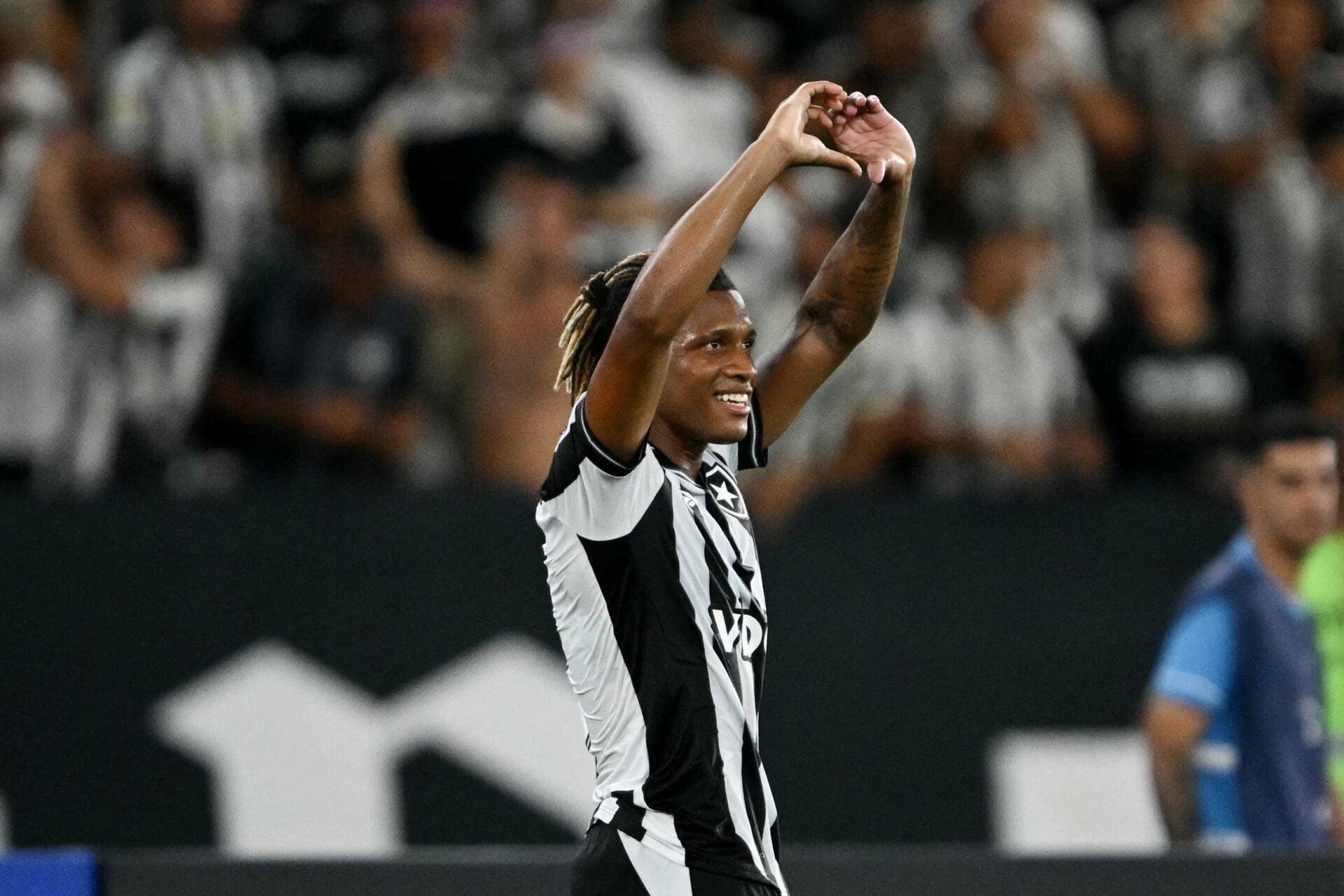
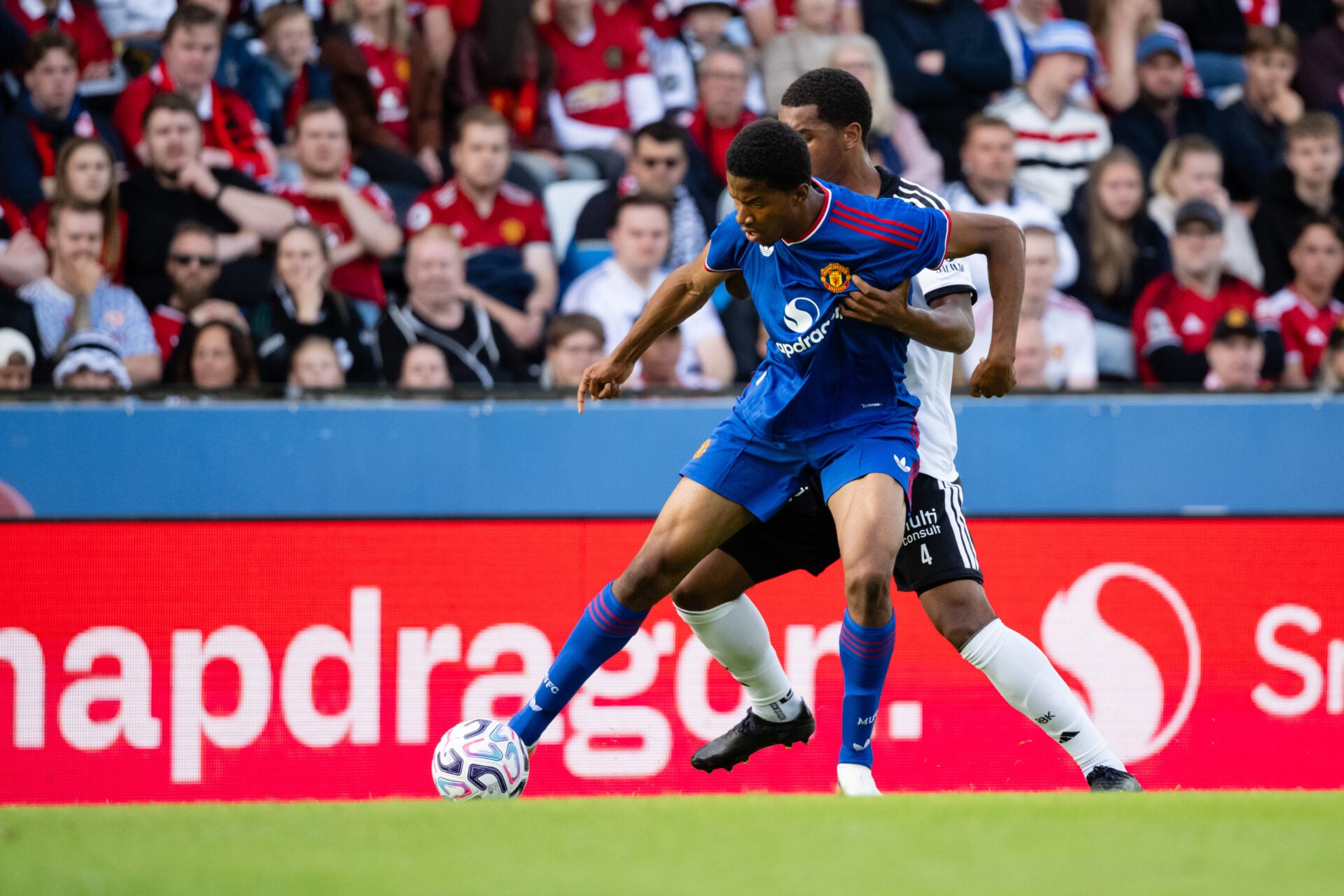
Diomande’s 2025-26 campaign with RB Leipzig was eye-catching. He contributed 23 goals and assists in 36 appearances, underscoring his ability to influence games at the highest level. That level of production sent his name straight to the top of transfer wish lists across Europe, with Manchester United among the clubs credited with an interest alongside heavyweight outfits like Real Madrid, Paris Saint-Germain, Arsenal, and Manchester City. The attention on his potential move has grown further as negotiations and bids intensify in the summer window.
Leipzig reportedly rejected a substantial bid from Real Madrid believed to be in the region of £85.4 million, a sum that indicated Leipzig’s willingness to hold firm while signaling that the club rates Diomande highly. Reports have circulated of continued interest from other European giants, and reliable industry chatter suggests Leipzig is seeking a total package well above £100 million. One well-connected analyst has floated a figure of roughly €130 million (£111 million) as the price for his signature, a sum that would place Diomande among the most expensive African players in history should it be realized.
In comparison to Amad Diallo, the United academy product who joined for a reported initial £19 million with potential increases bringing the total closer to £37 million, the Diomande saga highlights a different facet of United’s transfer philosophy. Diallo’s journey at Manchester United has showcased how a long-term bet on a young talent can pay dividends, even if the early arithmetic suggests higher risk. Diallo has evolved from a promising youth prospect to a contributing member of the senior squad, gaining valuable experience and integration into the team culture. His development has reinforced the idea that smart investment in youth, paired with proper development pathways, can yield returns that are not always reflected purely in transfer fees.
Statistically, the comparison between the two players across recent major tournaments shows nuanced differences. In the 2026 World Cup, Amad Diallo’s impact with the national team was notable, contributing decisively in some high-stakes matches. Diomande, meanwhile, had a standout presence for Ivory Coast as well, but the distribution of goals and assists differed from Diallo’s profile. It’s important to recognize that team context matters: Leipzig’s system and Diomande’s role within it may have amplified certain metrics, while Amad’s domestic and international opportunities with United have showcased different strengths, including creativity, dribbling, and decision-making under pressure.
From a financial perspective, United’s willingness to pursue Diomande at a high price reflects the club’s broader transfer strategy: identifying premium talents who can grow into marquee players while balancing the squad’s immediate needs. However, the Amad Diallo case remains a compelling reminder of the value of early deployment and development. Diallo’s trajectory demonstrates that a calculated gamble on a talented youngster can translate into a valuable asset for both the team and the broader market. If Diomande’s price tag continues to rise, it may further validate United’s approach in nurturing homegrown or academy-tuned players who can deliver on big stages at a fraction of what the most expensive transfers demand.
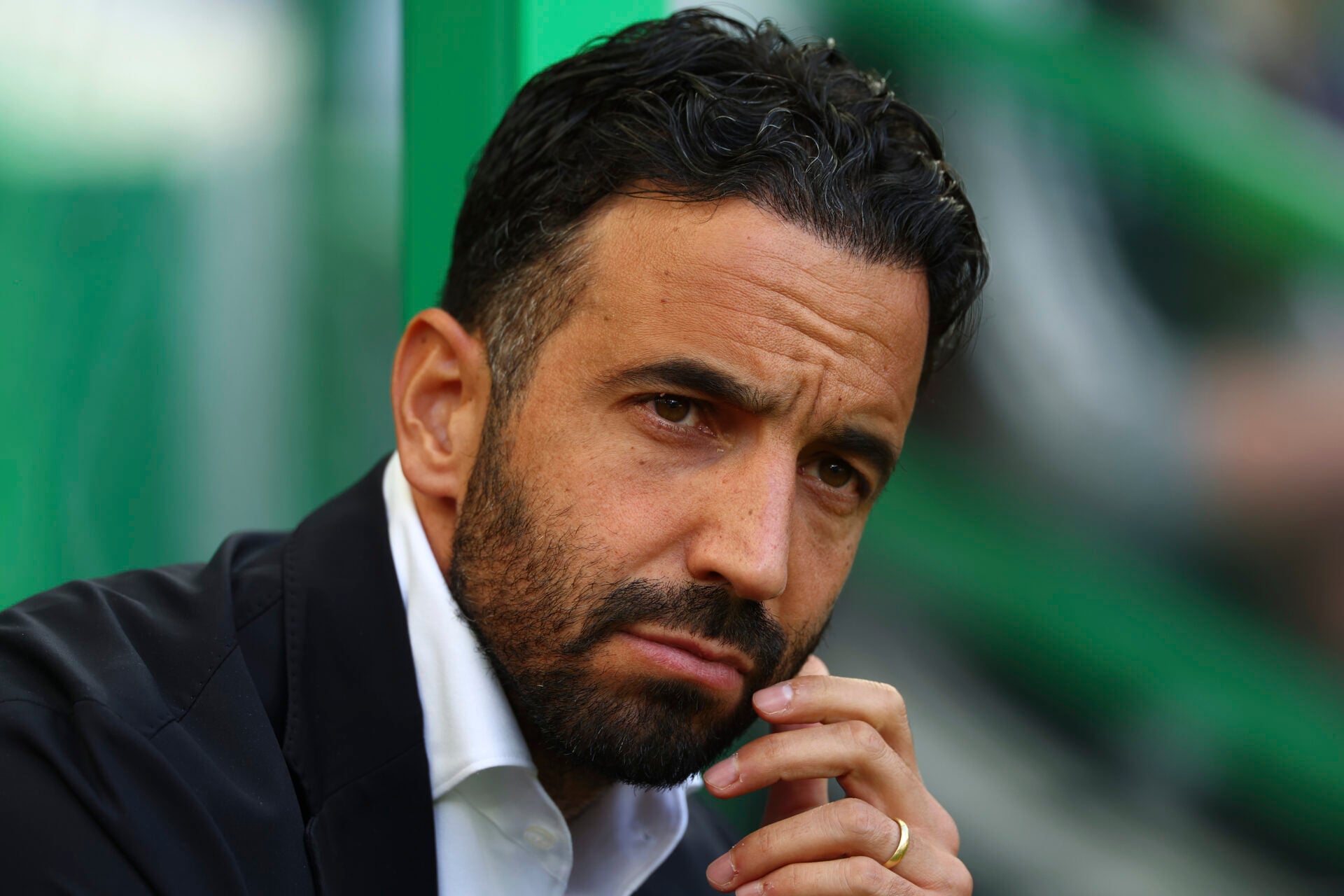
Looking ahead to pre-season, Amad Diallo’s return to training is anticipated. He is eligible to rejoin the squad from July 21 and is expected to convene with United’s first-team group in the ensuing days. Whether he lines up against Atlético Madrid in Stockholm will depend on the coaching staff’s assessment and the players’ fitness and form post-World Cup schedules. The emphasis for United will be reintegrating players who featured at the tournament, including established names like Matheus Cunha, Bruno Fernandes, and Diogo Dalot, while Carrick and the broader coaching team map out a plan to maximize the squad’s cohesion ahead of the new season.
In summary, the Diomande valuation story underscores the evolving dynamics of the transfer market and the valuation benchmarks for top-tier wingers. While United weigh the merits of a potential move for Diomande, Diallo’s progress with the club provides a tangible example of how a well-timed investment in young talent can deliver long-term benefits. The ultimate outcome remains to be seen, but the narrative to date reinforces the value of strategic patience, thorough evaluation, and a clear plan for integrating rising stars into a competitive team framework.