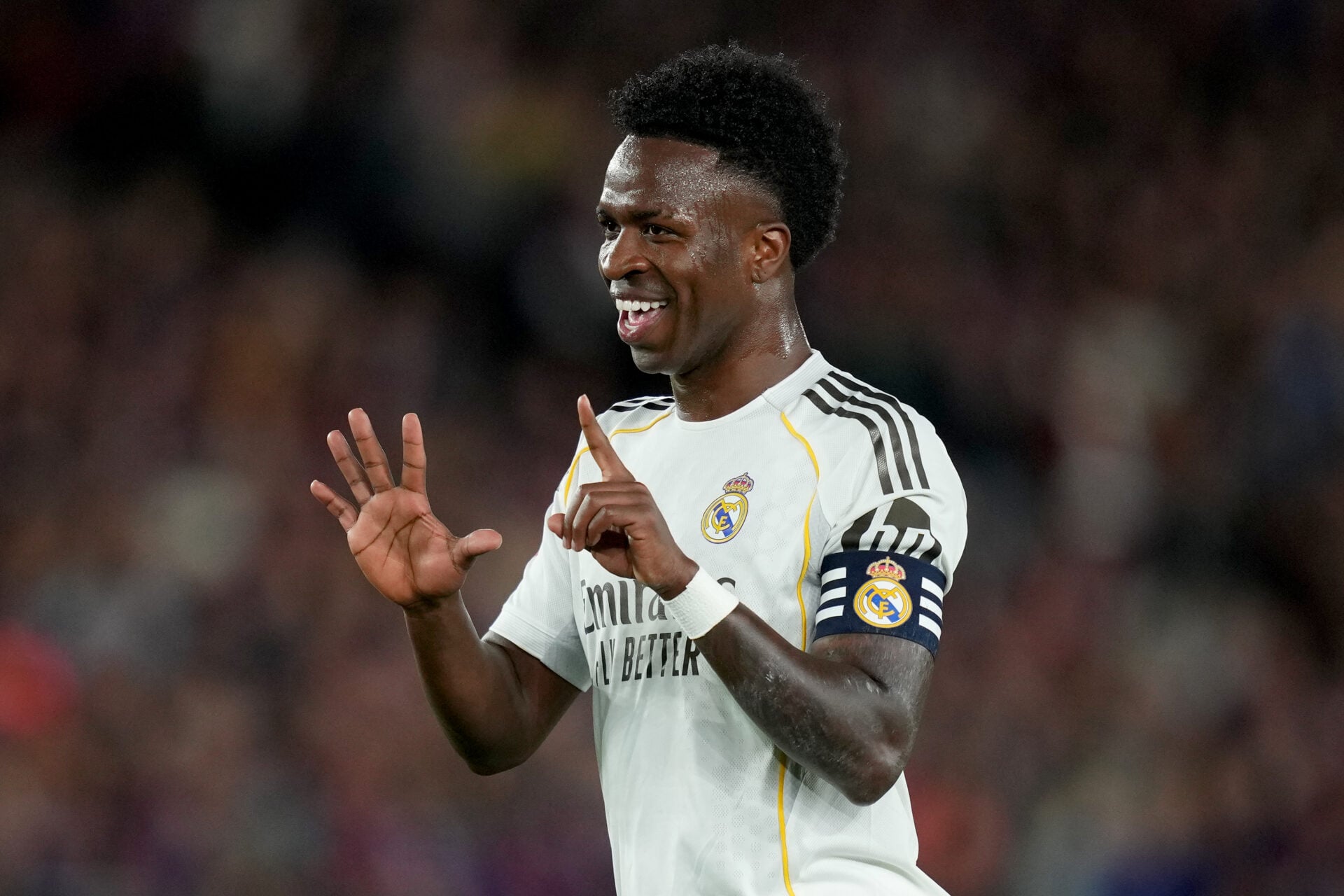
Inside signals from trusted football outlets have suggested there is broad alignment within the club on the concept of pursuing Vinícius. The consensus appears to come from the top levels of the organization, spanning management, recruitment, and executive leadership, who all recognize the potential impact of such a signing. If Arsenal could pull it off, it would represent arguably the most audacious move in the club’s recent transfer history and would instantly elevate their attacking options.
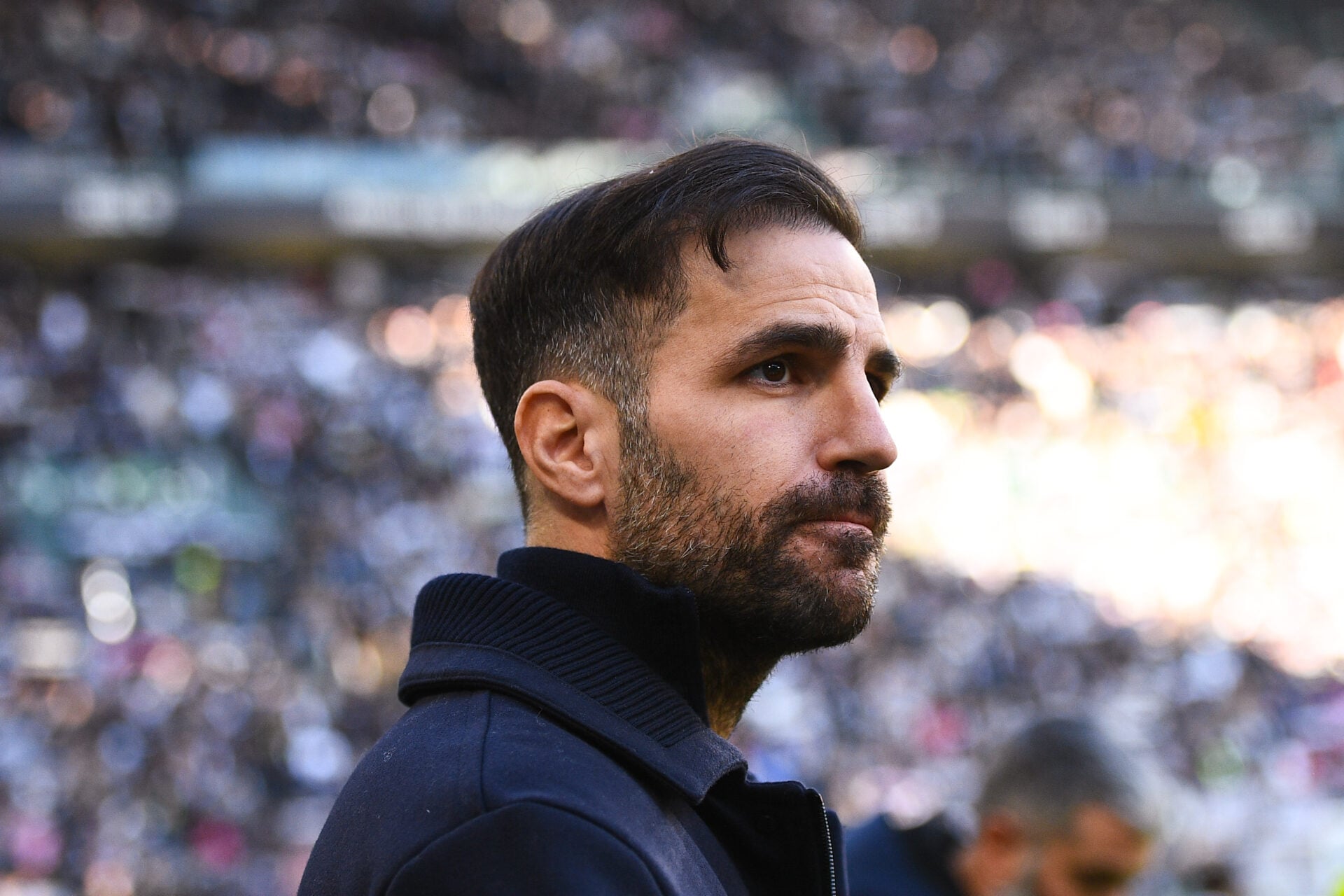
The prospect has also captured the imagination of Arsenal’s captain, who remains a vocal advocate for strengthening the squad with world-class talent. In a recent interview, the captain spoke highly of Vinícius, describing him as among the best players in world football and highlighting the enormous potential a collaboration with Vinícius could unlock for the team.
Vinícius has long been recognized for his combination of speed, dribbling, and goal threat. His performances for Real Madrid include a tally of 128 goals and 100 assists across 375 appearances, underscoring the consistent output he brings to the pitch. The idea of pairing him with a playmaking leader like Arsenal’s captain, who has captained his country and performed at the highest level in Europe, is appealing on multiple fronts. A creative duo with Vinícius on one flank could stretch defenses and create space for central attackers to exploit, potentially transforming Arsenal’s offensive dynamic.
The World Cup encounter between Vinícius and Arsenal’s captain serves to illustrate how such a partnership could flourish. Vinícius publicly praised the captain’s performance in high-stakes matches and noted the opponent’s structure and discipline as critical factors in the game. This kind of mutual respect and on-field compatibility is often the foundation for successful signings, particularly when a club seeks to integrate a top-tier winger into a system that already emphasizes high pressing and fluid attacking movements.
If Arsenal were to pursue Vinícius, the move would carry significant strategic implications. His arrival could help bridge the gap to continental powerhouses in the Champions League and would immediately raise the club’s attacking ceiling. Vinícius brings not only individual quality but also a wealth of experience gained in competitive European football, including the pressures of playing for a globally recognized club. The potential partnership with a marquee captain who has demonstrated leadership on and off the pitch could set the tone for a new era at the club.
Financially, acquiring a player of Vinícius’s caliber would demand substantial investment, including a transfer fee commensurate with his market value and a wages package that reflects his standing as one of the game’s elite talents. Such an expenditure would likely require careful planning to balance the club’s wage structure while maintaining competitiveness across competitions. It would also necessitate a strategic review of contract terms and renewal plans for current stars to ensure long-term sustainability.
The front office’s ability to execute this deal would hinge on several factors: Real Madrid’s willingness to entertain a high-profile departure, Vinícius’s personal motivation, the club’s financial framework, and Arsenal’s ability to present a persuasive sporting project. If these elements align, the transfer could become a historic milestone for the club, signaling a bold commitment to competing at the highest level and challenging established European powers.
Beyond the headline appeal, such a signing would require a broader plan to integrate Vinícius into Arsenal’s tactical setup. Adapting to a new league, country, and football culture always presents challenges, but Vinícius’s versatility and pace could fit multiple attacking systems. He is capable of playing across the frontline, providing width, cutting inside to shoot or combine with teammates, and offering a goal threat from wide areas. A successful integration would also depend on the role designed for him by the manager, ensuring that his strengths are maximized without compromising the team’s defensive structure.
In assessing whether this transfer materializes, several interdependent dominoes would need to fall into place. The club’s recruitment team would likely conduct in-depth performance analyses, wage reviews, and long-term strategic mapping to determine if Vinícius’s arrival aligns with the squad’s development plan. Real Madrid would weigh the financial and sporting benefits of transferring a marquee asset at this stage of his career against the potential impact on their attacking dynamics and wage balance.
Ultimately, the notion of Vinícius Júnior joining Arsenal reflects a broader ambition: to shift the club’s trajectory toward sustained success in domestic titles and continental competition. If the move becomes feasible, it would not only transform the attack but also signal a clear statement of intent from Arsenal’s leadership to push for multiple major trophies in the near future. While conversations at the club level may be in their early stages, the idea of signing Vinícius has already captured the imagination of fans and pundits alike, underscoring a willingness to pursue elite talent in pursuit of significant, lasting progress.