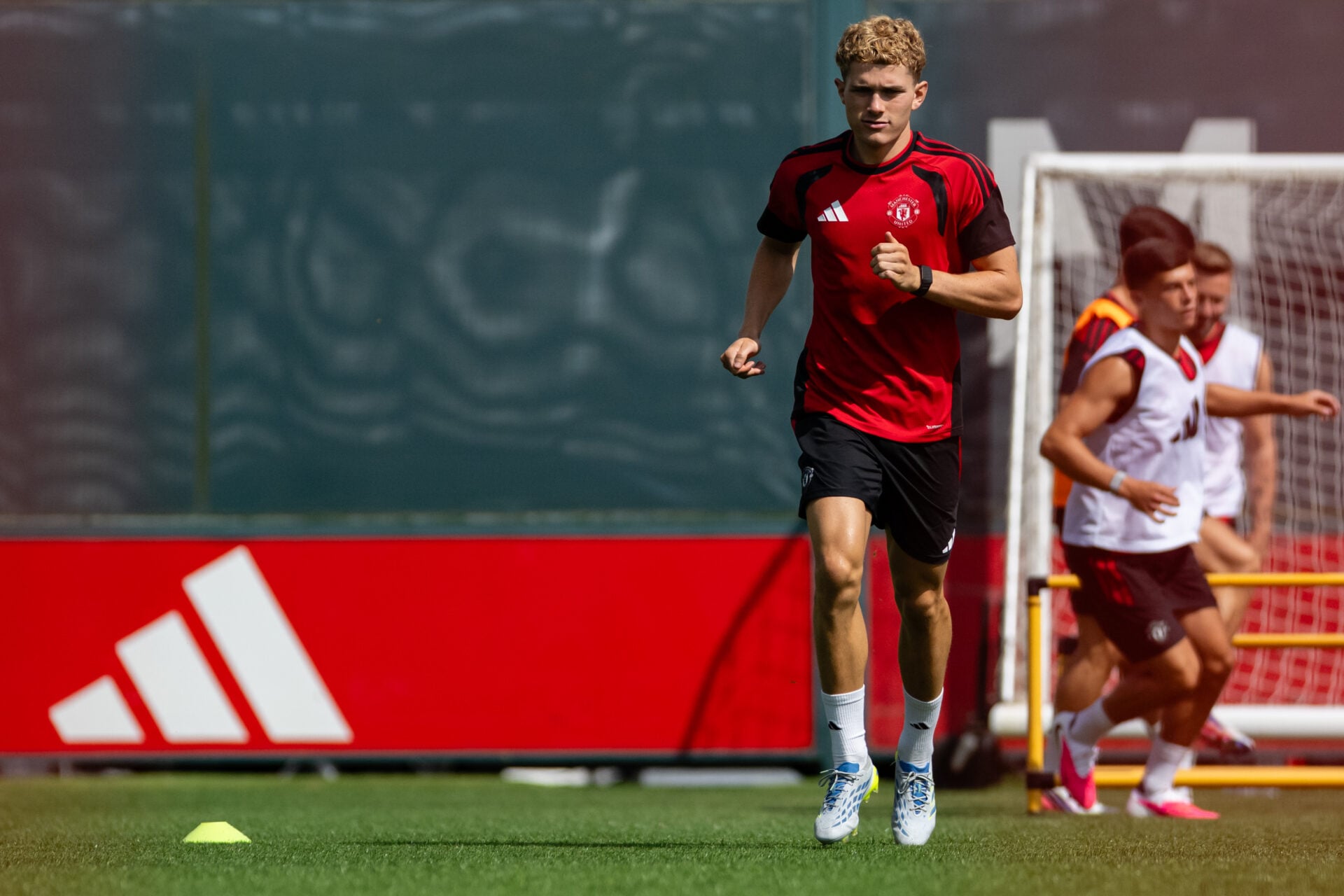
Tottenham’s decision to secure Fernandes for a reported fee that far exceeded United’s bid sparked plenty of debate. Some observers argued that United had done the smarter business, choosing not to chase a player whose goal-scoring record from midfield has been modest at best. Fernandes has never been prolific in terms of goals for either West Ham or Southampton, with only a handful of strikes across his professional stints at those clubs. But football success, especially at the highest level, isn’t built on goal tallies alone. Fernandes has repeatedly showcased strengths that managers value highly: duels won, incisive passing, and the ability to influence the tempo of a game from midfield.
The broader takeaway from United’s transfer window strategy is that clubs often prioritize different profiles depending on their tactical blueprint and squad balance. In Fernandes’s case, his duel-winning prowess and distribution are traits that align with a modern center or defensive midfielder who can transition the play quickly and retain possession under pressure. For United, the signings they ultimately pursued—such as Andrey Santos and Youri Tielemans—suggest a plan to add passers, tempo controllers, and technical players who can orchestrate the midfield and push play into dangerous zones.
Fernandes’s debut for Tottenham came in a pre-season friendly against MK Dons, where he delivered a memorable moment with a thunderous volley from the edge of the box. The strike instantly drew attention and generated excitement among Tottenham supporters and neutrals alike. While it’s natural for early performances to inflame wishful thinking among fans—imagining how a player might transform a rival’s plans—this single moment doesn’t determine a transfer’s long-term value. What matters more is how Fernandes integrates into Tottenham’s system, adapts to the pace and physicality of the Premier League, and contributes across all phases of play.
From a broader perspective, the transfer market is rarely a straightforward success story for every party involved. Financial considerations, squad depth, and long-term strategic alignment all play crucial roles. As more midfield reinforcements arrive at Old Trafford, the emphasis at Manchester United appears to be on building a midfield capable of controlling rhythm, distributing effectively, and maintaining high performance throughout the season. The combination of Santos’s ball-playing ability and Tielemans’s experience offers United a blend of technique and composure that can help drive transitions and create goal-scoring opportunities.
For Tottenham, Fernandes represents an immediate upgrade in certain facets of midfield play. His ability to win duels and maintain pressing intensity can help Spurs compete at the highest level, while his passing range can contribute to faster, more accurate ball movement through the middle of the park. The Premier League is a demanding arena where consistency matters as much as occasional moments of brilliance. Fernandes’s challenge will be to sustain high-level output week after week, adapt to new teammates, and contribute to both defensive solidity and forward momentum.
Fans and analysts will undoubtedly compare Fernandes’s early impact with United’s transfer choices throughout the season. While speculative debates about “what could have been” persist, the practical truth remains: teams must identify players whose skill sets complement their tactical plans and contribute to a balanced squad. The market often rewards prudent financial decisions, but it also rewards smart player development and the ability to extract the best from signings over time.
As the summer window progresses, both Manchester United and Tottenham will be observing how Fernandes’s presence influences their respective campaigns. For Tottenham, the early excitement around a standout debut adds a layer of optimism to a season where midfield dynamics will be crucial. For Manchester United, the focus remains on strengthening the engine room with versatile, technically proficient players capable of controlling matches and sustaining pressure against top-tier opposition.
In summary, Mateus Fernandes’s early exploits at Tottenham have amplified the transfer intrigue surrounding him. His debut volley is a vivid reminder of the potential he brings, but the true measure of his value will be revealed through consistent performances, adaptability to the Premier League, and contributions that help Tottenham achieve their broader competitive goals. Meanwhile, United’s approach to regrouping in midfield—focusing on players who offer control, precision, and depth—reflects a clear strategic direction aimed at long-term improvement. The dynamic between these two clubs this season will be shaped not by headlines, but by ongoing performances on the pitch and how effectively each manager leverages their midfield arsenal.