Golden boot and speed crown
Kylian Mbappe’s exploits during the tournament extended beyond goal-scoring. He secured the Golden Boot by tallying 10 goals for France, reinforcing his status as one of the competition’s standout performers. In addition to his sharp finishing, Mbappe’s pace also earned him the label of the World Cup’s fastest player, recorded at a top speed of 37.61 km/h. This blistering pace underscored his ability to explode away from defenders and create scoring opportunities in open play.
Manchester United’s fastest players at the World Cup
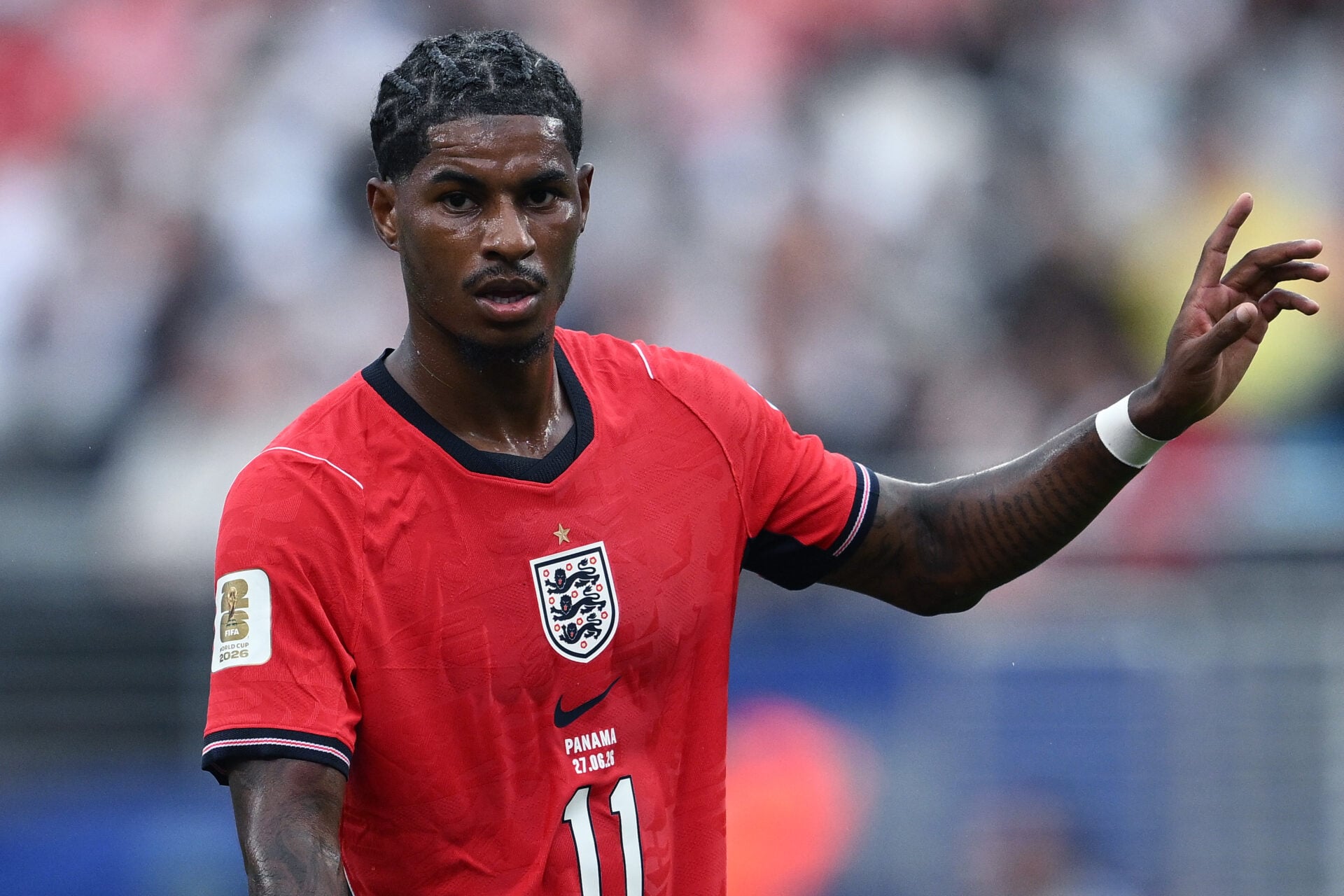
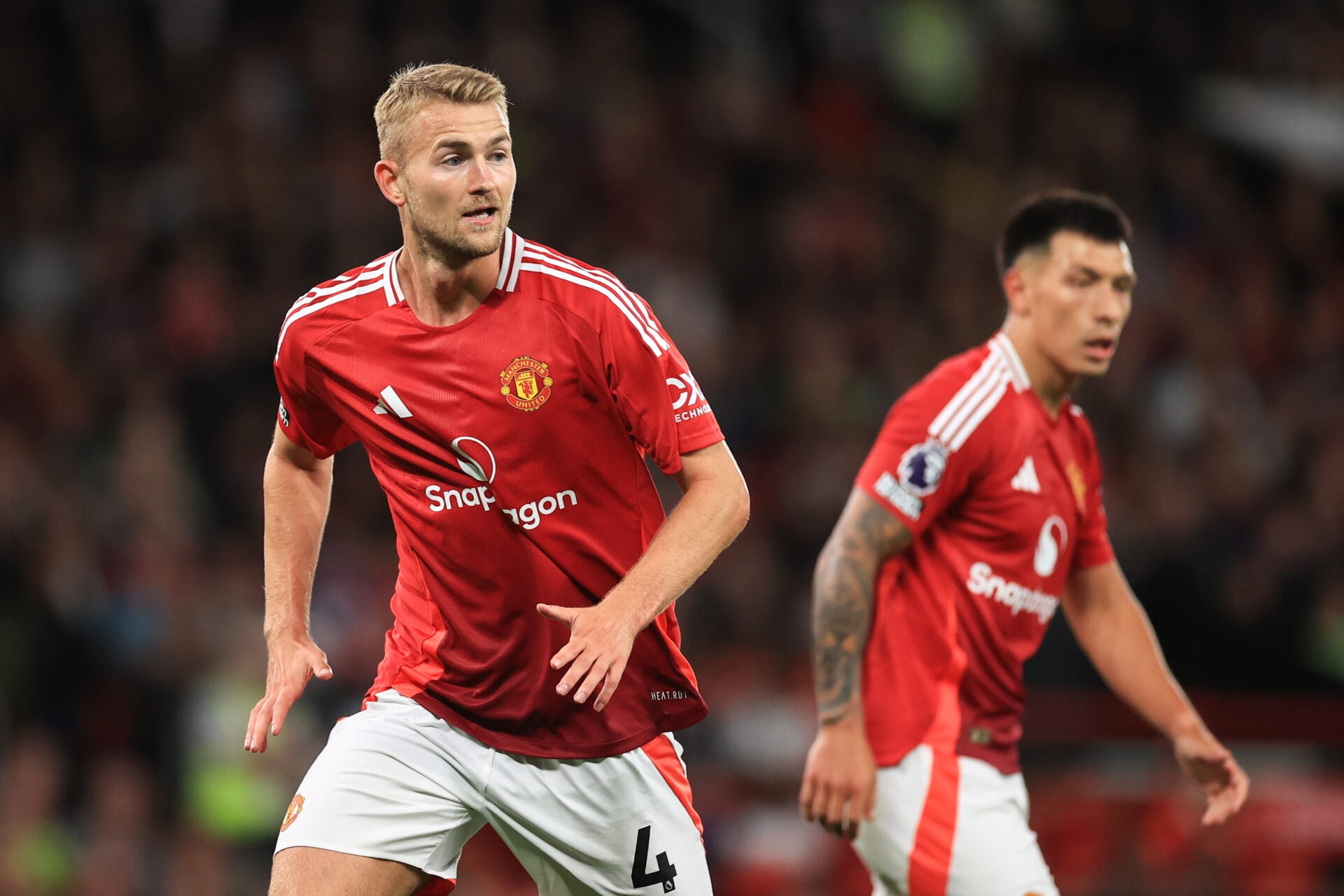
FIFA’s official statistics offer a broader view of speed across the tournament, and they allow us to identify how Manchester United players fared relative to the global field. Among United’s representatives, Marcus Rashford stood out as the club’s fastest participant, clocking 35.17 km/h. This speed placed him at the 25th-fastest in the tournament’s overall rankings and made him the only United player to crack the competition’s top 100 list. Rashford’s speed was a key element of his game, helping him stretch defenses and create space in wide areas.
Trailing Rashford in the club’s speed rankings was Noussair Mazraoui of Morocco, who reached 33.87 km/h and ranked 129th overall. Mazraoui’s pace added another dimension to Morocco’s play, particularly on the break. Following him, Amad Diallo represented the United States in speed terms, posting 33.32 km/h—the 212th fastest overall. Diallo’s pace was a notable asset for a player contributing in a tournament with many standout performers.
England’s fastest player at the tournament
While Rashford was the fastest United player, he was not the fastest England player at the World Cup 2026. That distinction went to Djed Spence, who posted a top speed of 36.22 km/h and ranked eighth among all players for speed. Spence’s pace was on full display during the competition, helping him contribute in England’s campaigns and offering a glimpse of his potential in top-level international football.
Elanga’s speed and transfer context
Anthony Elanga, formerly a Manchester United winger, registered a speed of 37.16 km/h, making him the world’s second-fastest player behind Mbappe in this event. Elanga’s exceptional pace was a hallmark of his development during his time at United, a trait that continued to define his reputation as a quick attacker. After leaving Manchester United, Elanga joined Nottingham Forest for a reported transfer fee around £15 million. His move reflected a broader trend of clubs recognizing the value of pace in the modern game, particularly for players who can stretch defenses and create goal-scoring opportunities on the break.
World Cup speed dynamics and broader context
The speed rankings at the World Cup highlight a few broader themes in contemporary football. First, pace remains a crucial differentiator at the highest level, with players like Mbappe demonstrating how acceleration and top-end speed can translate into decisive moments in games. Second, the tournament showcased the depth of fast wingers and forwards across different leagues and national teams, reinforcing the importance of athleticism in modern football tactics. Finally, the presence of players who have moved between clubs recently, such as Elanga, illustrates how transfer activity can shape national-team dynamics by introducing high-velocity profiles to squads outside their parent teams.
In sum, the World Cup delivered a compelling showcase of speed, capped by Mbappe’s record-breaking top speed and Rashford’s mark as the fastest United player in the tournament. The event also underscored how pace remains a critical asset for both individual careers and team strategies, influencing scouting priorities, squad planning, and matchday decisions for clubs around the world.