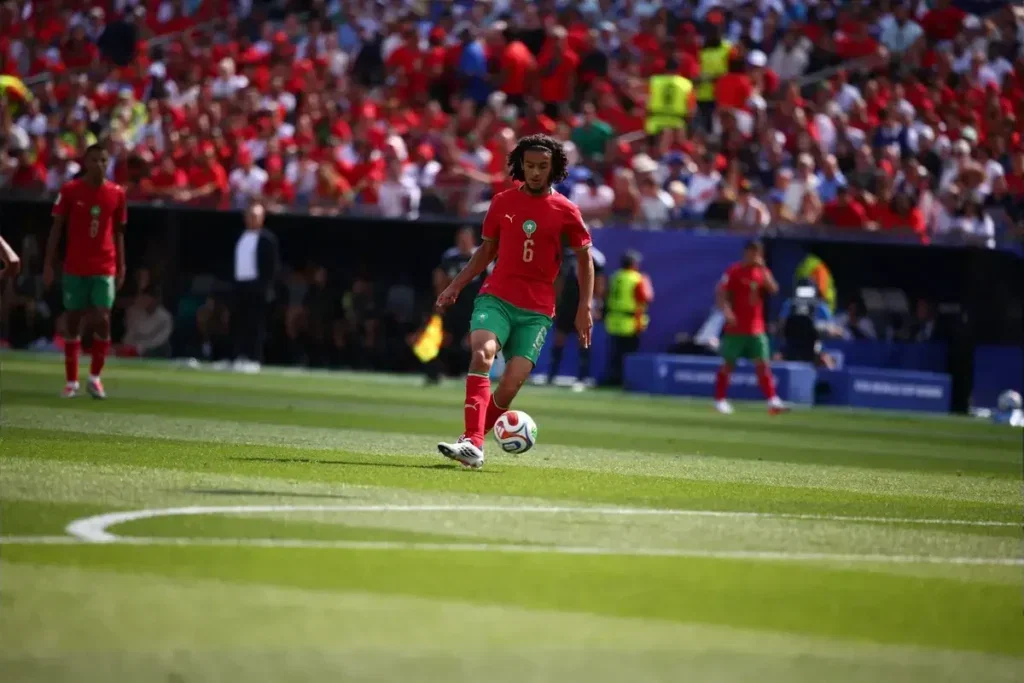
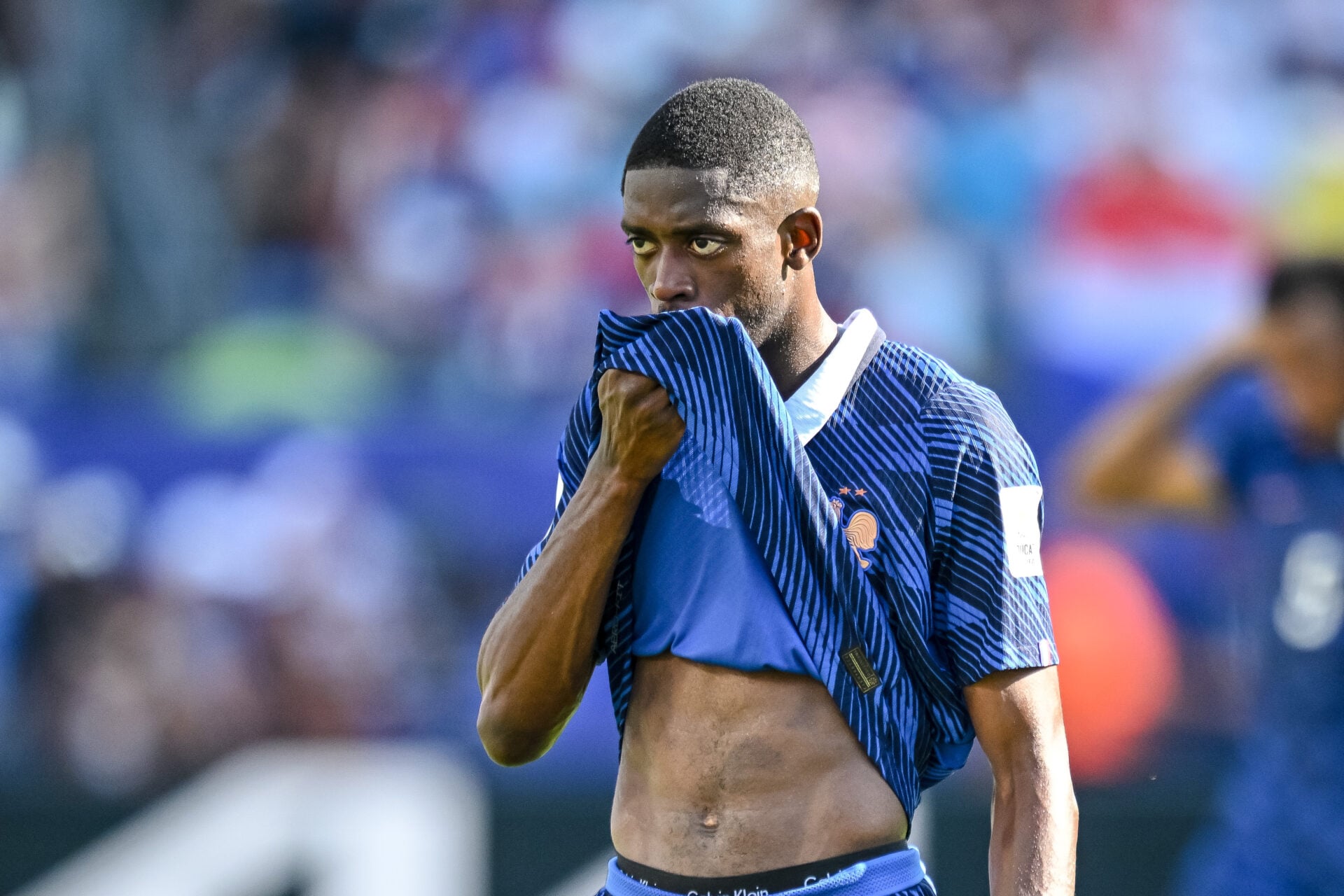
The incident in question occurred during England’s quarterfinal exit to Portugal, with Rooney receiving a red card that raised eyebrows back home. Ronaldo’s involvement in that moment was scrutinized, and the moment of dissent seemed to echo the broader pressures that come with carrying expectations at a club like Manchester United. The public and media reaction was swift, with headlines and opinion pieces placing the spotlight on Ronaldo and Rooney’s dynamic. A photo from the match—showing Ronaldo appearing to react to the sequence—became a symbol of the dispute for many observers.
Despite the intensity of the World Cup clash, the dressing room at Old Trafford was a different arena altogether. Sir Alex Ferguson had built a culture of fierce competition and relentless drive, a structure designed to keep the squad focused on collective success rather than personal sagas. In interviews conducted years later, former United defender Mikael Silvestre described the environment as remarkably professional and cohesive, even when national team loyalties and on-pitch rivalries bled into club life during international breaks.
Silvestre noted that Manchester United fostered a culture where generations of players pushed each other to be better, both individually and collectively. He explained that while intra-club competition was intense, the “fighting for the badge” mentality prevailed once players returned to the club. The dressing room operated with a clear understanding: personal feuds or external skirmishes would not override the mission to win titles for United. The emphasis remained on unity, discipline, and performance when it mattered most.
When Ronaldo and Rooney returned to the club ahead of the 2006-07 season, their earlier World Cup tensions appeared to fade quickly. Silvestre recalled that the squad’s leadership and structure allowed for a smooth reintegration, with players resuming their professional routines without lingering distractions. The ability to compartmentalize off-field drama and refocus on training, tactics, and matches was a testament to the club’s culture under Ferguson’s management. In Silvestre’s view, the dressing room did not allow personal disagreements to derail the team’s ambitions.
This sense of professionalism did not mean there were no challenges. Manchester United faced a demanding schedule and stiff competition, both domestically and in Europe. Yet the squad’s resilience and depth helped sustain a high level of performance throughout the campaign. United went on to win the Premier League title for the 2006-07 season and reached the Champions League semifinals, while also making a strong run in the FA Cup. Ronaldo and Rooney, two of the club’s standout performers, each hit 23 goals across all competitions that season, underscoring how their individual talents complemented the team’s collective strength.
The broader narrative around Ronaldo and Rooney’s relationship reflects a common theme in elite sports: early-career clashes and public scrutiny do not necessarily determine long-term dynamics within a club. The Manchester United environment, shaped by a demanding manager, experienced teammates, and a culture of accountability, provided a framework in which players could reset after controversial moments and continue contributing at the highest level. The outcome, in terms of on-field success, suggests that the club’s governance and ethos were more influential than any single incident.
For fans and analysts, the Ronaldo-Rooney saga serves as a case study in maintaining squad harmony amid intense pressure. It illustrates how a team can absorb individual controversies and still pursue ambitious objectives, leveraging leadership, a shared mission, and professional conduct to emerge stronger. Silvestre’s reflections reinforce the idea that a club’s internal culture—founded on competition, respect, and a clear focus on collective achievement—can navigate the turbulence that accompanies high-stakes football.
In hindsight, the 2006 World Cup moment did not derail Manchester United’s trajectory. The club continued to compete at the highest levels, securing domestic glory and deep runs in European competition. The success of Ronaldo and Rooney that season, with both players contributing significantly to the total goal tally, underscored the idea that personal disagreements can be overcome within a professional environment that prioritizes the badge above all.
Key takeaways:
– A club’s internal culture can absorb and defuse high-profile national-team tensions.
– Professionalism and a clear focus on collective objectives help players reintegrate after controversial incidents.
– Leadership at the top, combined with a competitive but respectful dressing room, can sustain high performance across a demanding season.
– Ronaldo and Rooney’s contributions in the 2006-07 season demonstrated how individual brilliance can align with team success when properly managed.
This portrayal of a dressing room defined by resilience, discipline, and a unwavering commitment to Manchester United’s success offers a nuanced view of how top clubs navigate moments of public controversy while continuing to win major trophies.