Duren, who posted strong numbers last season with averages near 19.5 points and 10.5 rebounds per game and earned third-team All-NBA recognition, entered the summer with expectations of max-contract consideration. Yet restricted free agency is a unique dynamic. The incumbent team retains considerable leverage because they can match any outside offer, which often cools the market for comparable deals. Historical patterns in restricted free agency illustrate how this process tends to unfold, sometimes dragging out longer than players and fans would prefer.
Past examples provide a frame for what Duren and Detroit might expect. In 2007, Sasha Pavlovic of the Cavaliers voiced clear frustration with the restricted free-agent system, even opting to sit out parts of training camp and the season before ultimately agreeing to a team-friendly three-year contract. The Cavaliers retained control by matching offers when necessary. Similar episodes have recurred over the years: players like Eric Gordon in 2012 publicly signaled devotion to another team only to have their former team match the offer; Gordon Hayward in 2014-15 sent signals during restricted free agency that he preferred a different destination, but Charlotte’s offer sheet was matched by the Jazz. The Kuminga situation with the Warriors showcased a more contemporary version of the same theme: a player not entirely thrilled with the constraints, while the team maneuvered to keep him under favorable terms.
For Duren, the numbers reflect a strong case for a lucrative deal. The Pistons, however, are weighing how much they are willing to commit to him, balancing the need to retain a young core piece with the realities of the team’s broader payroll and cap structure. A straightforward max contract might be appealing, but teams in a similar position often explore structured agreements, potential incentives, or future year protections to manage risk and stability. Until Detroit and Duren align on a framework, the status quo remains.
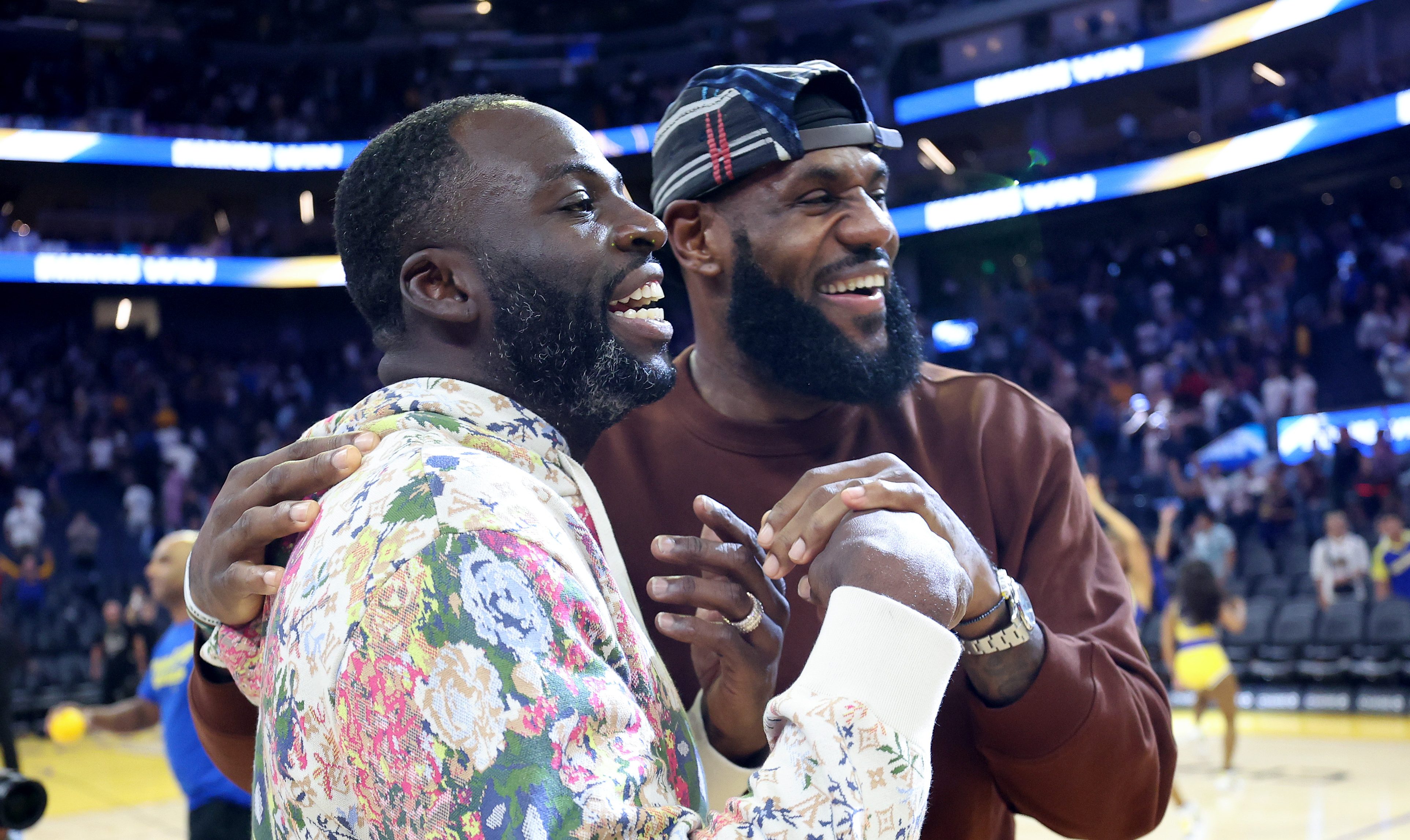
Beyond Duren, the free-agent landscape features a mix of established veterans and intriguing prospects who could shape the market. LeBron James remains at the center of ongoing discussion for many teams, with possibilities narrowing toward a favored destination while other franchises monitor developments. The Rockets, Cavaliers, Warriors, Heat, Nuggets, and Timberwolves—among others—have all been mentioned in speculation at different points, reflecting how intertwined the decisions around superstars are with the broader roster-building puzzle.
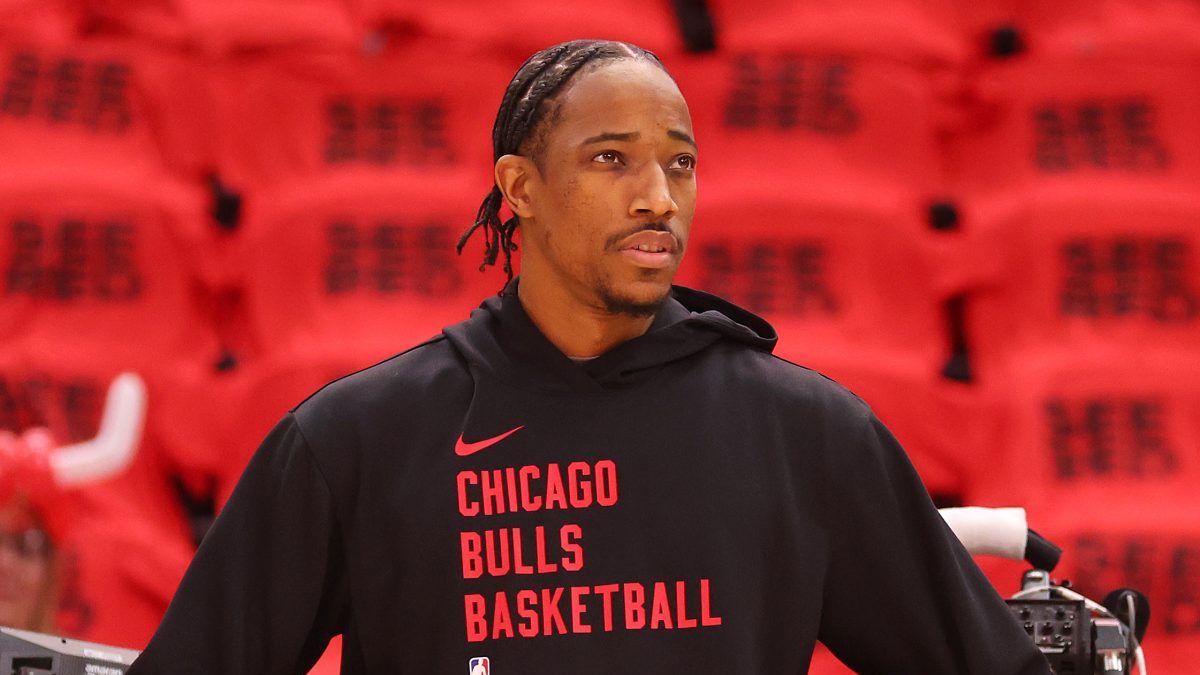
Other notable names in the market include James Harden, who opted out of his previous deal and could re-sign in a way that preserves competitive balance and cap flexibility for the team involved. Jonathan Kuminga’s status and the Lakers’ ability (or inability) to clear cap space also remain contentious topics, as does the potential for sign-and-trade arrangements that could realign several rosters in the coming days. DeMar DeRozan, Draymond Green, Bruce Brown, Nick Richards, Russell Westbrook, Ochai Agbaji, Gary Payton II, Gabe Vincent, Jeremy Sochan, Cam Thomas, Bradley Beal, and Victor Oladipo are among the other players frequently cited in rumors, each with their own set of considerations—fit, age, contract structure, and team-building priorities all playing a part.
The mechanics of restricted free agency create a cautious, predictable tension in the market. Incumbent teams often hold the leverage of matching rights, which can discourage outside bidders and extend negotiations. Players may voice frustration or impatience, but unless there is a significant outside offer, the buying team is still in a position to shape the ultimate deal. For Jalen Duren, the path forward will likely involve a nuanced contract that reflects his development trajectory, market demand, and Detroit’s long-term plan for the frontcourt.
As the offseason progresses, Detroit’s priority remains clear: secure a commitment from Duren that aligns with their vision for the franchise, while preserving flexibility to address other needs. A sign-and-trade remains a possibility if it serves Detroit’s strategic goals, but it does not appear to be a foregone conclusion. For Duren, patience is a virtue in this particular negotiation, as the market continues to evaluate his value against the Pistons’ broader cap outlook and roster construction.
Looking ahead, several factors will influence the ultimate outcome. Injury risk, contract length, incentives, and the team’s ability to maintain core pieces will all come into play. The NBA’s unrestricted landscape is always evolving, but for now, the Pistons hold the leverage in the Duren negotiations, and the player’s best path forward may hinge on a deal that reflects both his rising star status and Detroit’s confidence in his continued development.
In summary, while discussions around Jalen Duren generate headlines and spark widespread talk, the essential truth remains steady: Detroit is committed to keeping Duren, and negotiations will continue to unfold with a careful balance of value, timing, and organizational structure. The broader free-agent landscape remains dynamic, with many established veterans and younger talents poised to shape the coming season. As teams weigh cap implications and strategic fit, the market will likely present opportunities and challenges that could redefine both careers and franchises in the months ahead.