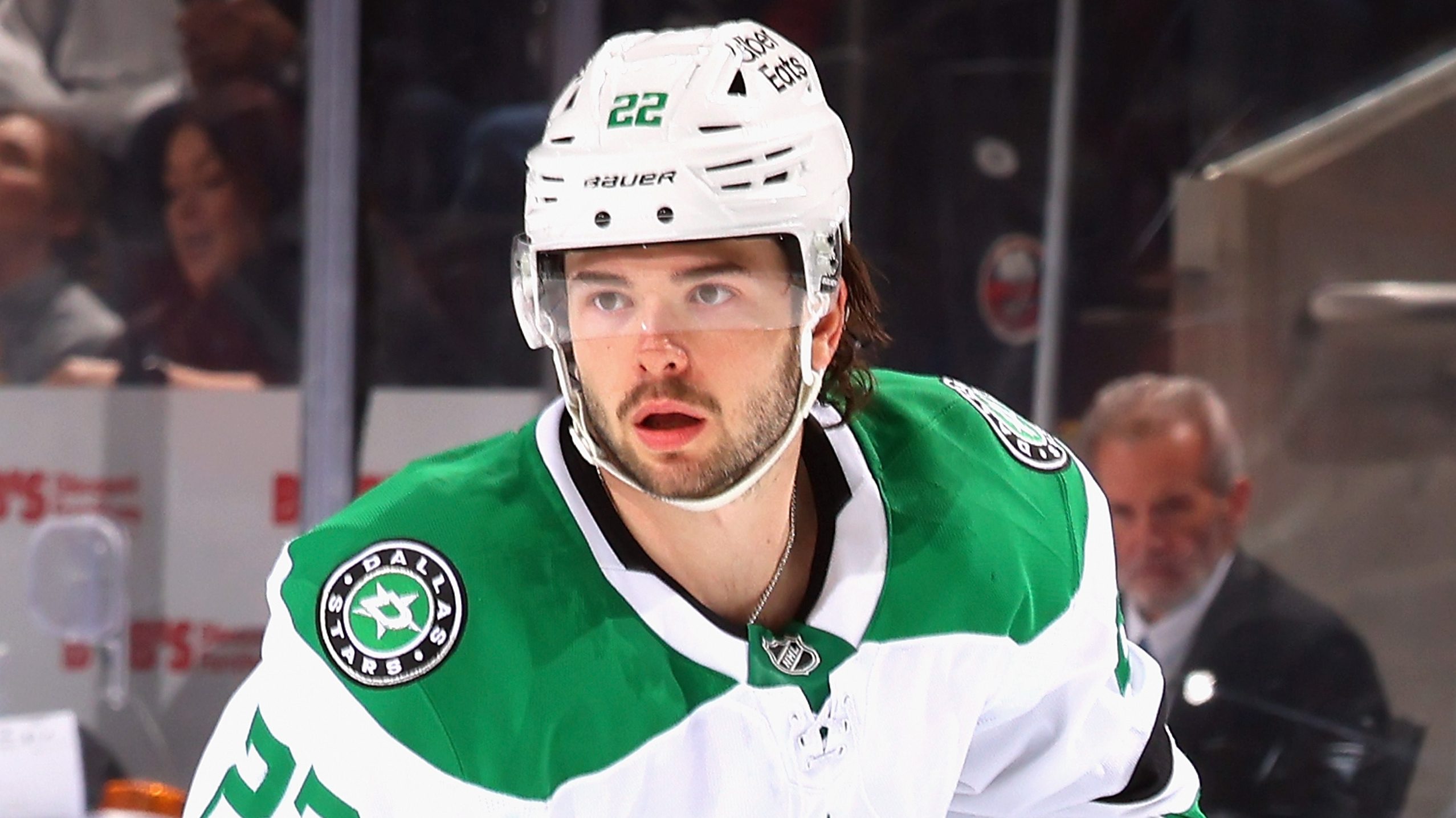
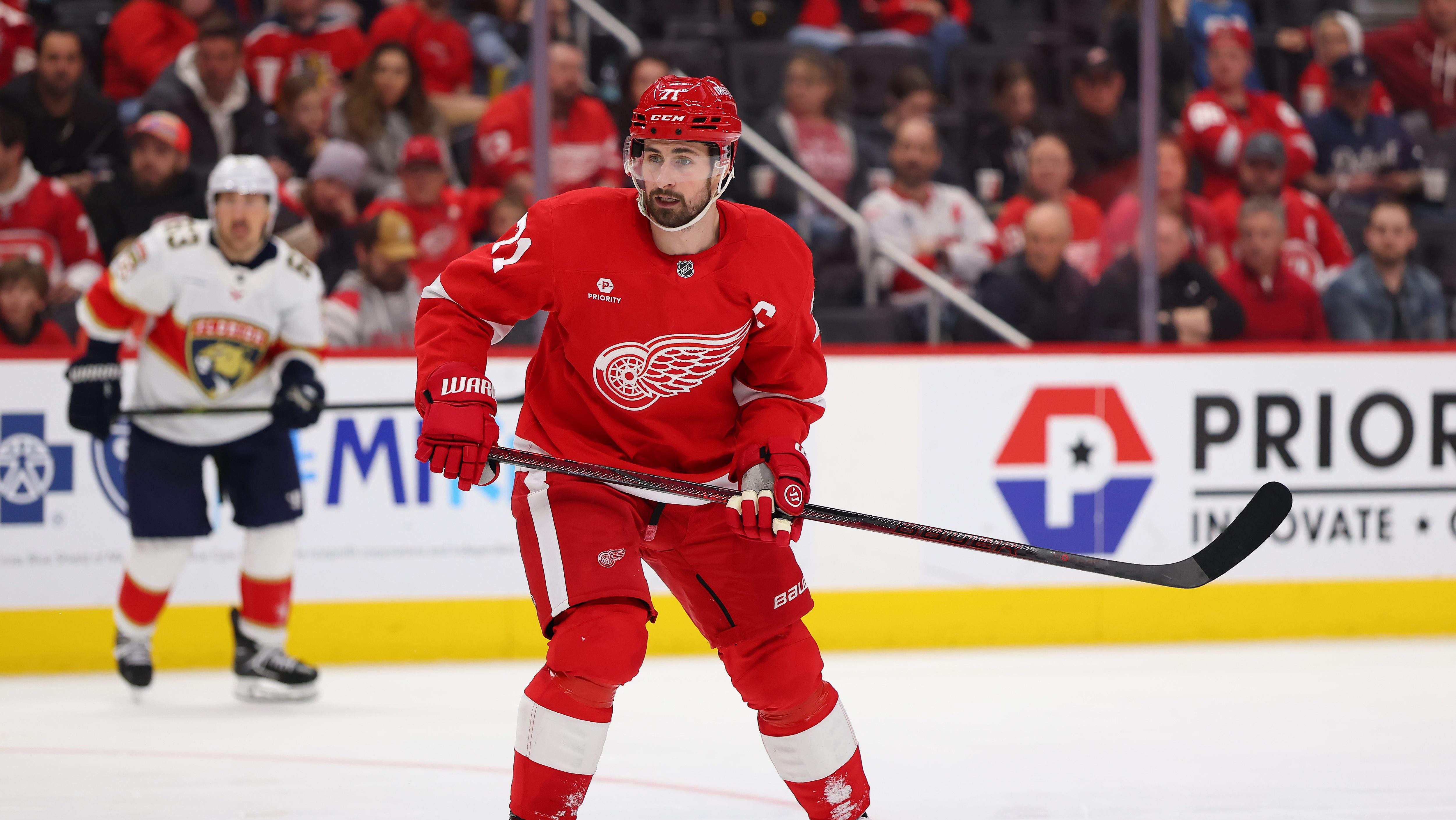
Insiders have since offered a clear reason for the hold-up: the negotiating dynamics surrounding Morgan Rielly. During a recent appearance on a hockey podcast, a well-connected insider suggested that Toronto’s offer to the free agent defenseman hinged on the status of Rielly’s future with the club. In short, the message circulating at the time was that Toronto was still weighing how to handle Rielly’s situation, and the undecided stance contributed to the defenseman’s choice to move elsewhere. Faced with uncertainty and the opportunity to take the best deal available on July 1, the defenseman opted to sign with Winnipeg.
Rielly’s status has continued to be a talking point for Maple Leafs followers. The veteran defenseman, now in his early 30s, remains with Toronto, and the likelihood of him returning next season is a common topic among analysts and fans. This development underscores the broader takeaway from the summer: Toronto may have missed an opportunity to add a solid middle-pairing blueliner at a reasonable price.
Ferraro’s skill set drew interest from several teams besides Toronto, including the Hurricanes and Oilers. The standout attribute for Ferraro is his positional versatility. While he is primarily a left-shot defenseman, he can effectively contribute on both sides of the defensive pairing. This kind of flexibility is highly valued in today’s game, where coaches prize players who can adapt to different matchups and line combinations. Ferraro’s game is grounded in responsible puck management and dependable positioning, traits that align with a more conservative, steady defensive style.
From Toronto’s perspective, Ferraro would have offered a reliable presence on the back end. His ability to step into a top-four or bottom-pair role as needed could have provided the Leafs with a versatile option to complement their core group. In terms of pairing dynamics, Ferraro could have been integrated as a stable partner for a blueline veteran, shaping a dependable shield in front of the goalie and providing a steady outlet during breakouts. While not a marquee offensive contributor, his value lies in predictability, consistency, and the ability to absorb minutes without sacrificing structure.
In terms of defense-first expectations, Ferraro’s presence would have been particularly useful if a top-tier offensive defenseman were unavailable or if an injury necessitated emergency depth. He could have served as a solid middle-pairing option, with the potential to fill in as needed if a starter were sidelined. For teams seeking a reliable, low-variance defender who can contribute without needing the spotlight, Ferraro presents a compelling fit.
Offensively, Ferraro’s production last season did register a notable uptick, with seven goals and 23 points over an 82-game campaign. While those numbers aren’t indicative of a high-octane scorer, they reflect a player who can contribute modestly at the right moments. The key value proposition for the Maple Leafs would not have been about offensive fireworks but rather about adding depth, reliability, and a steady geographic presence on the ice.
Even with the missed opportunity, there are always other avenues to bolster a roster mid-career. Front offices continually reassess needs, available cap space, and the evolving dynamics of a team’s core. The hunt for additional defensive depth often extends into later in the offseason, with teams evaluating options for cost-efficient, high-floor players who can contribute in minutes-limiting roles or as dependable cogs in a larger strategic plan.
Looking ahead, the focus for any contending team remains clear: build a balanced blue line that can handle diverse matchups, protect leads, and contribute to transitions. While Ferraro’s decision to move to Winnipeg closed one path for Toronto, the market for capable defensemen remains active, and teams will continue to explore options that align with their tactical goals and salary structure.
For fans and analysts, the takeaway is straightforward: depth on the blue line is a perpetual priority, and the right blend of experience, versatility, and reliability can anchor a team’s defensive zone. As the season approaches, teams will continue to weigh their options, monitor cap flexibility, and seek players who can seamlessly fit into a cohesive, defensively sound system.