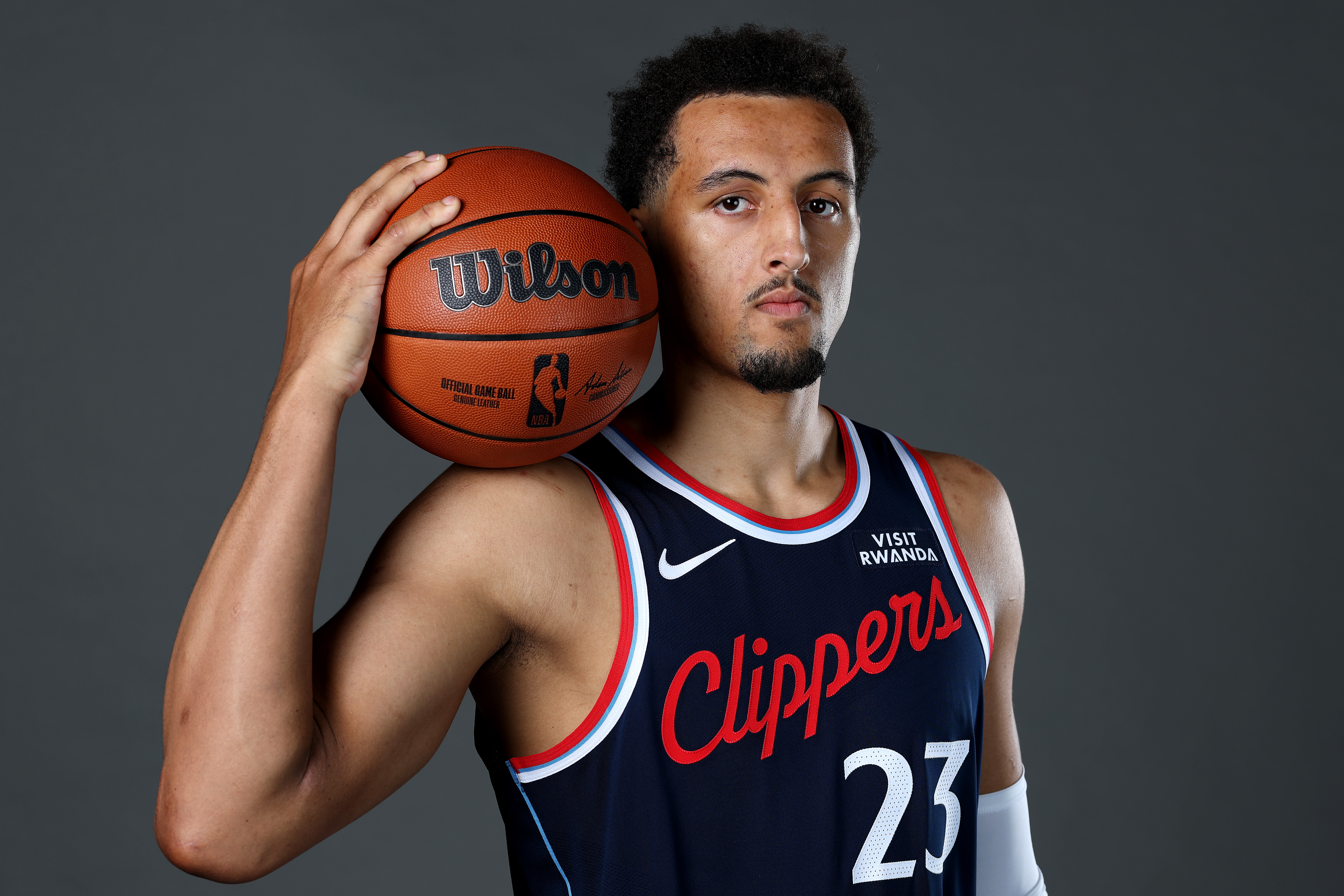
Valanciunas, who has spent over a decade in the league, was among the better free-agent big men still available. His departure narrows the pool of veteran centers the Knicks could add to fortify their second unit. With Valanciunas off the table, New York must explore other avenues to address a center position that remains shallow behind Karl-Anthony Towns and Andre Drummond. Towns and Drummond are the expected senior figures on the roster, but teams in need of depth often benefit from a trusted third center who can step in during injuries or strategic rest days. For the Knicks, finding a dependable backup could help maintain a competitive rotation throughout the season.
Last season, Valanciunas played 65 games, starting six, and contributed 8.7 points, 5.1 rebounds, and 1.2 assists per game. He shot 60.2% from inside the arc and 30.8% from three-point range. While those numbers reflect solid efficiency, a third-string role did not align with his career trajectory, and it’s reasonable that the Knicks did not pry him away from his new European opportunity. Valanciunas remains a capable a second-string big who can lend experience and interior scoring, but his decision to sign with Zalgiris Kaunas signals a shift in his career and a shift in the options available on the market for New York.
With free agency producing fewer concrete fits at the center position, the Knicks may turn to the trade market to add depth. One potential target discussed by industry observers is Karlo Matković of the New Orleans Pelicans. Matković, a versatile big who can play both center and power forward, has shown the ability to impact the game above the rim on both ends. He has demonstrated outside shooting ability on a limited scale and possesses the athleticism and length to compete for rebounds. For a team seeking a third center, Matković could provide the type of multi-positional versatility that fits a modern rotation. If the Knicks pursue a trade, they could leverage extra draft capital or other assets to sweeten the deal and add a player who can contribute off the bench.
Matković appeared in 62 games for the Pelicans last season, averaging 5.7 points and 3.7 rebounds per game. He shot 71.7% from inside the two-point line and 42.2% from beyond the arc, numbers that reflect efficiency when opportunities arise. While not a star contributor, his profile as a flexible big who can play near the rim and space the floor could complement a lineup centered around Towns and Drummond. Trading for a player of Matković’s profile could offer New York a credible third option at the five and the four, allowing more flexibility in matchups and lineups.
The Knicks have already seen departures this summer that impact their frontcourt depth. Mitchell Robinson’s departure in free agency and Hukporti’s exit remove two contributors who were part of last season’s championship-caliber roster. Robinson’s loss creates a void at the five, while Hukporti’s departure similarly reduces the ceiling of the bench’s interior presence. As a result, the front office faces pressure to identify a reliable third center—whether through the free-agent market or via trade—that can stabilize the rotation when minutes need to be managed.
Fans and analysts will scrutinize the front office’s ability to close the gap at center. The strategy chosen—whether to sign a free-agent veteran, pursue a trade for a versatile big, or combine several complementary pieces—will influence how the Knicks approach the season. The goal remains clear: ensure depth behind Towns and Drummond so the team can sustain performance across a demanding schedule and navigate potential injuries.
In the interim, the Knicks’ options will continue to develop as free agents finalize their decisions and teams evaluate their own rosters. The upcoming weeks will be critical in determining whether New York can land a credible third center who can contribute meaningful minutes and preserve the consistency of the rotation. The pursuit is ongoing, and the organization is likely weighing several scenarios to balance value, fit, and long-term roster construction.
Overall, the job for the Knicks remains: secure a dependable backup center who can step in when needed, provide physicality and protection around the basket, and contribute to the team’s depth without compromising spacing or floor balance. The absence of Valanciunas and the exit of Robinson and Hukporti have intensified the need for strategic maneuvering as New York looks to finalize a rotation capable of competing at a high level throughout the season.