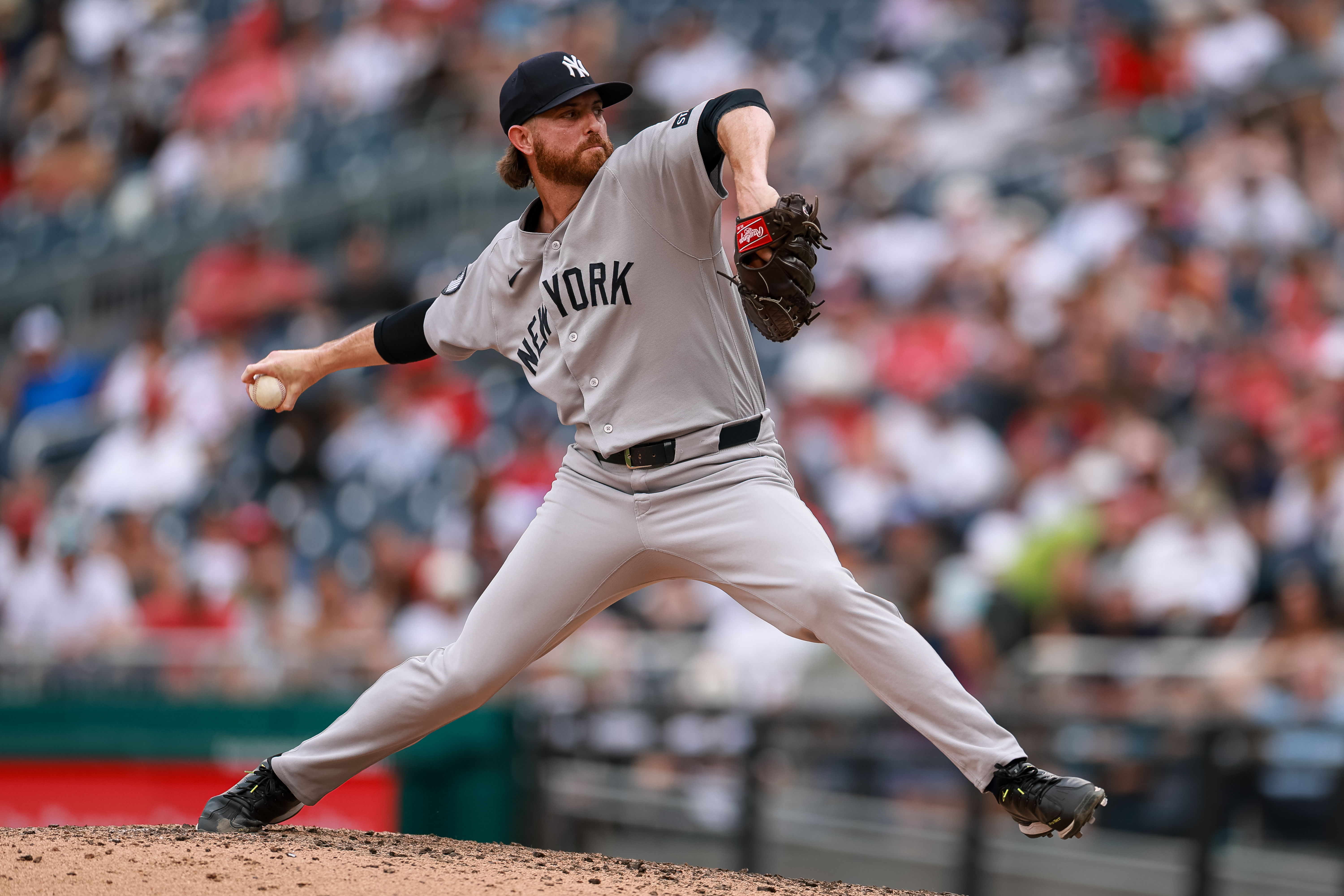
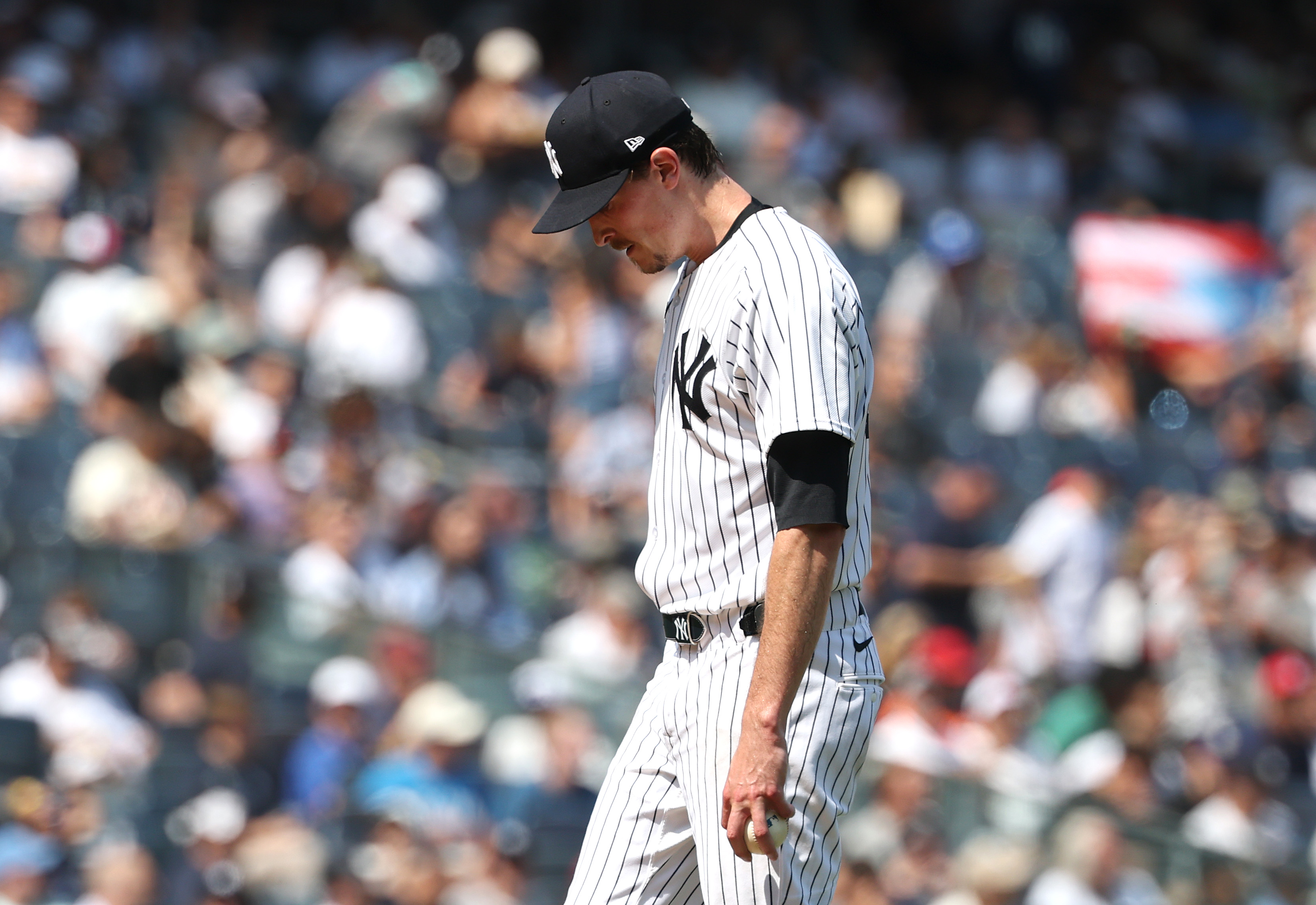
Wacha has delivered steady production in recent seasons. Over the past several years, his earned run average has hovered in a narrow band, and his WHIP has remained solid. In addition, he has shown a diminishing trend in home runs allowed, contributing to his overall effectiveness on the mound. A notable strength has been his ability to pitch deep into games, which translates to more innings and more chances for the team to win. At present, he is on a path that could reach roughly 200 innings pitched and around 20 quality starts in a season, landmark numbers for a pitcher with 14 years of big-league experience. This combination of durability and consistency makes him an attractive target for teams building toward the playoffs.
The Royals are in a position where they would likely entertain the idea of trading Wacha, given that they hold two more years of team control and could benefit from stockpiling future assets if they decide to switch gears. However, because Wacha remains under contract rather than approaching free agency, Kansas City has to weigh the potential return against the certainty of keeping him beyond this season. The Royals’ decision-making process also includes considering left-handed relievers who have value in the near term and extendable control, such as another pitcher with multiple years of club control. The market for Wacha would be strong, given his performance and experience, but the Royals may still opt to retain him if the price does not meet their long-term plans.
For the Braves, acquiring a pitcher of Wacha’s profile would fit the need exposed by recent injuries and gaps in the rotation. Atlanta has already seen some starting pitchers miss time, and the current depth chart features candidates who could benefit from additional veteran presence and stability. A top-quality No. 3 starter would bolster Atlanta’s playoff odds by providing innings, maintaining quality starts, and offering a reliable option behind the anticipated work of the team’s top two aces. Wacha’s track record in the National League and his experience in high-leverage situations would be valuable assets for a club eyeing a deep October run.
The market for rotation help is expected to be competitive as the deadline approaches. The Braves’ front office would need to balance cost with upside, weighing Wacha’s two remaining years of control against other potential targets. Any potential deal would likely involve evaluating Wacha’s current form, his contract implications for the next two seasons, and how well his pitching style complements Atlanta’s roster and home environment. If the Braves can swing a package that satisfies Kansas City’s valuation while addressing their own needs, Wacha could become a cornerstone piece in Atlanta’s push for postseason success.
Beyond Wacha, the Braves’ internal options will also be watched closely. If Reynaldo López pins down a more consistent mid-season role, and if Bryce Elder and other developing arms can stabilize their performances, the team might gain internal traction to complement any outside addition. However, given the injuries endured by the rotation and the competing priorities within the league, adding external depth remains a priority for Atlanta.
In summary, the Braves are positioned to pursue a veteran starter to reinforce their rotation ahead of the trade deadline. Michael Wacha stands out as a feasible target due to his durability, efficiency, and proven track record. If a deal materializes, it would aim to reduce risk in the rotation, extend the team’s competitiveness into September and October, and provide a reliable gateway for the Braves’ younger pitchers to grow behind an established veteran. As the deadline draws nearer, the focus will be on whether Kansas City concludes that a return for Wacha aligns with its broader strategic goals, and whether Atlanta can meet the Royals’ assessment of his value while enhancing its own chance at a deep playoff run.