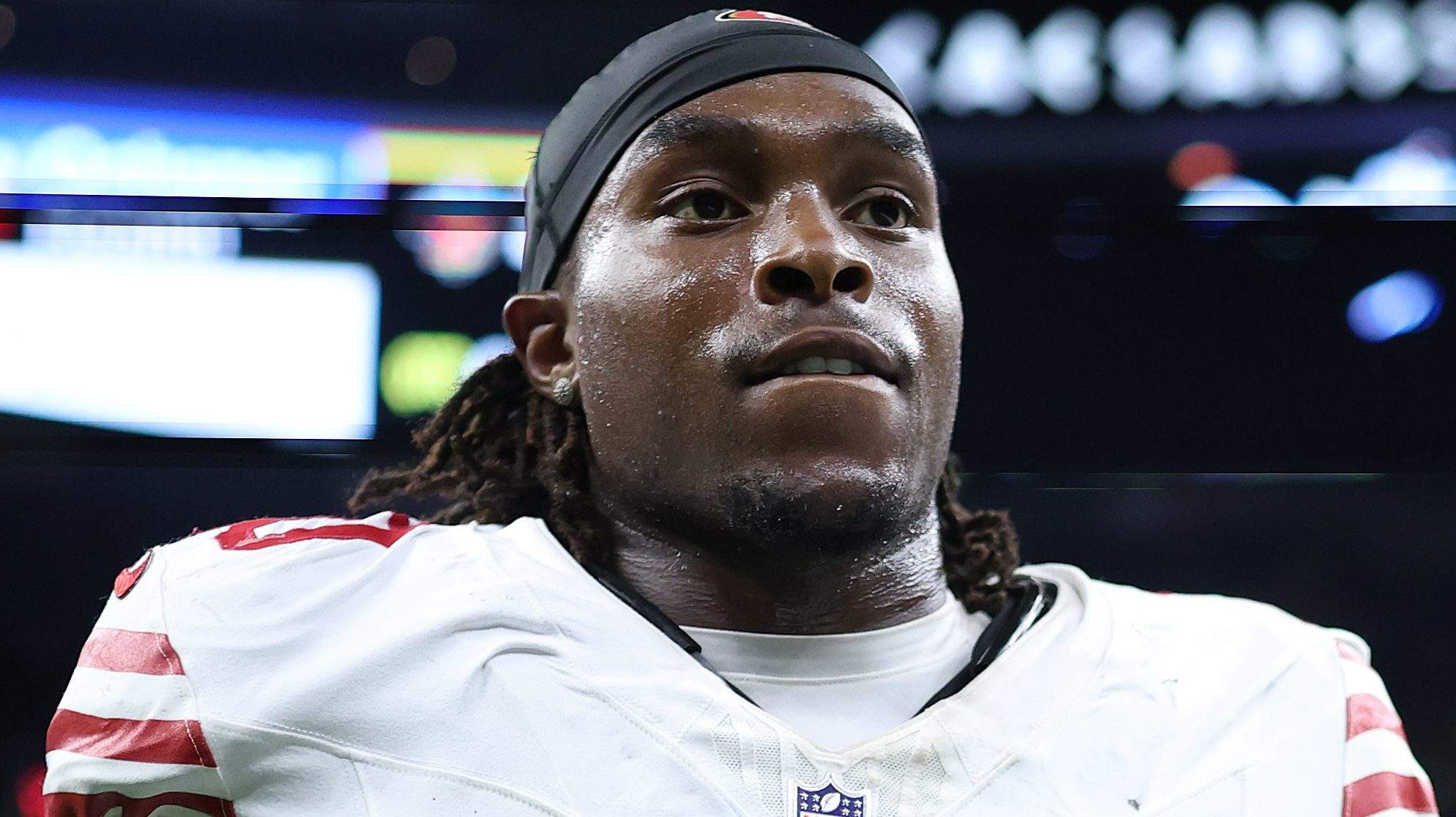
Gordon’s contract situation has already been a talking point. In April 2025, the Bears signed him to a three-year, $40 million deal, making him the NFL’s highest-paid nickel corner at the time. That investment comes with high expectations, especially after Gordon played in only five games last season. A soft-tissue injury he sustained early in camp led to a cascade of in-season issues, ultimately resulting in an extended stay on injured reserve. The durability question has persisted, and the spring offseason program was disrupted again by another soft-tissue setback, prompting renewed scrutiny from the coaching staff and front office.
Head coach Ben Johnson addressed the topic candidly earlier this offseason, underscoring the importance of availability to build trust within the team. “This spring was going to be a springboard for us to get going in the right direction,” Johnson remarked. “We know Gordon is a good player when he’s out there, but trust level is a huge thing for this team … and you can only develop that trust by being available.” The takeaway is simple: health and consistency are prerequisites for significant playing-time trust and for Gordon to secure his role in the defense.
From a financial standpoint, the Bears could gain notable cap relief by parting ways with Gordon after the 2026 season. If they chose to move on, they would save substantial dollars in 2027 and 2028, with smaller salary-cap hits in the near term. The contractual math provides the Bears flexibility to restructure the back end of the defense, potentially reallocating funds toward a more versatile nickel and outside-corner rotation.
This offseason, Chicago clearly signaled a commitment to bolstering the secondary. The Bears invested in youth and size at the position, drafting safety Dillon Thieneman in the first round and corner Malik Muhammad in the fourth round. They also signed safety Coby Bryant away from the Super Bowl champion Seattle Seahawks on a three-year, $40 million deal. Thieneman and Bryant are expected to contribute immediately, with Bryant challenging for a starting role in the secondary. Muhammad could push for a prominent role, potentially contending with Tyrique Stevenson for the second outside corner spot opposite two-time Pro Bowler Jaylon Johnson.
Stevenson is entering a contract year, and with Chicago having drafted him out of Miami in the second round, his continued development remains a point of emphasis. If Stevenson earns a starting spot and excels, Gordon’s role could become more situational or subject to trade discussions if health or performance does not align with team needs. The Bears’ longer-term strategy appears to involve building a robust, flexible secondary that can adapt to various schemes and opponent matchups.
Gordon’s health continues to be the linchpin of his immediate future with the Bears. If he remains healthy and productive, he could be a cornerstone of a potentially elite defensive backfield. However, if injuries persist, the organization could pivot toward Muhammad and other young players, pursuing additional free-agent acquisitions or draft opportunities to address the slot cornerback and depth concerns.
Looking ahead to 2026, Chicago’s secondary group features a mix of veteran experience and young talent with significant upside.Jaylon Johnson’s continued presence on the outside provides a steady cornerstone, while the development of Stevenson and Muhammad adds depth that could shape the defense’s overall ceiling. The team’s strategic investments in the secondary signal a broader objective: create a versatile unit capable of handling multiple offensive schemes and adjusting to evolving league trends.
In summary, Kyler Gordon remains a key figure in Chicago’s plans for 2026, both as a player who could help elevate the secondary if he remains healthy and as a potential trade asset if the season reveals continued durability concerns. The Bears’ offseason moves indicate a clear intent to strengthen the positional group, ensuring competition across the depth chart and positioning the team to respond dynamically to both immediate needs and future cap considerations. If the health trajectory aligns with performance expectations, Gordon could become a foundational piece; if not, the organization has a viable path to reallocate resources and pursue other options to optimize the defense for years to come.