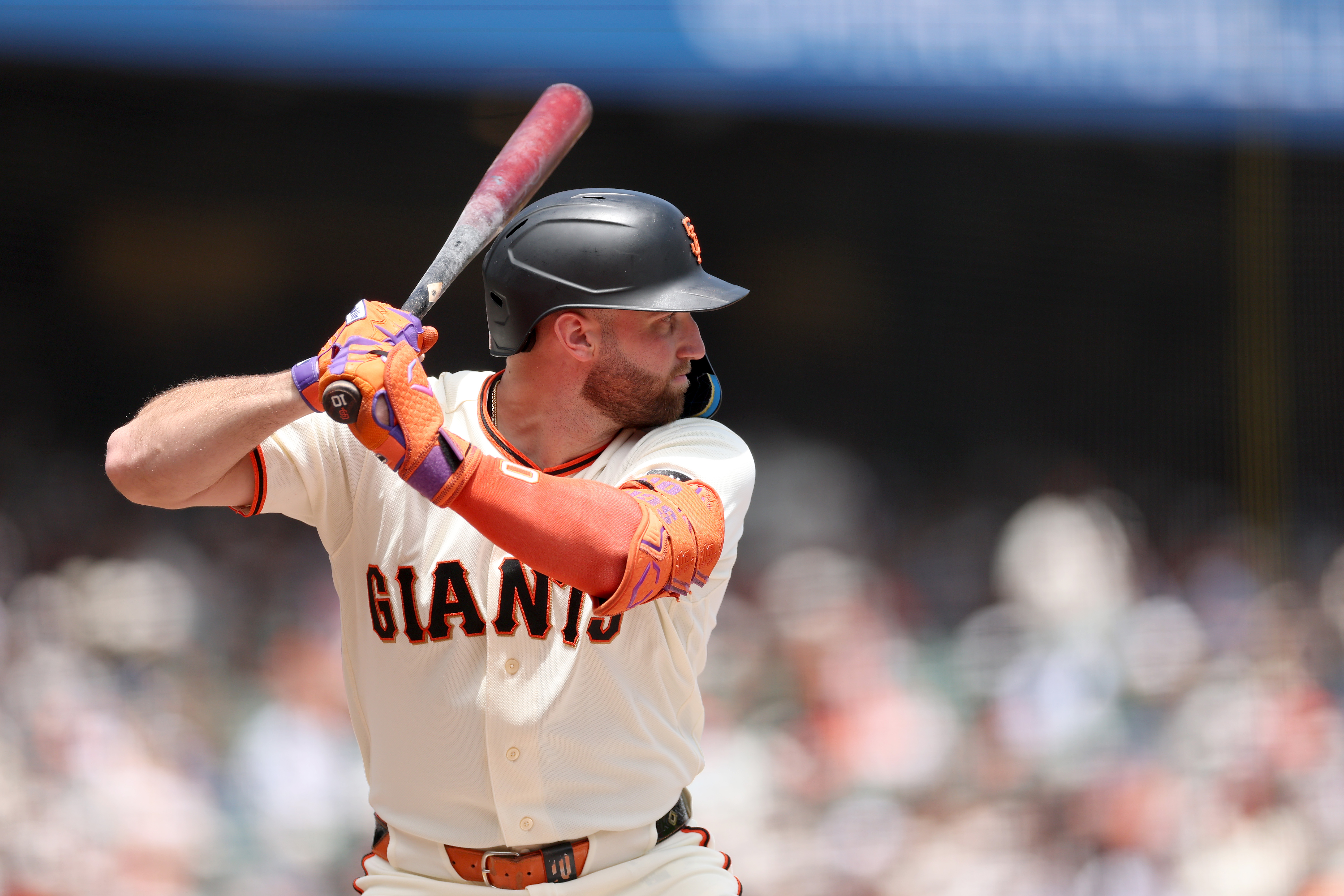
What’s driving the turnaround? Several factors have contributed to the resurgence. The pitching staff has steadied, bullpen breaking periods of inconsistency, and the offense has begun to produce more consistently at key moments. These improvements have allowed the Red Sox to stay in close games and win several tight contests, a hallmark of teams that climb back into playoff conversations.
With the calendar flipping toward August, the discussion around the trade deadline has intensified. Historically, teams in Boston’s position face a balance: do they lean into selling assets for a rebuild, or do they try to strengthen the roster for a postseason push? The current climate suggests that the Red Sox could pursue a hybrid approach, keeping options open while not fully conceding the season.
One name that has floated in trade chatter is closer Aroldis Chapman. Chapman has a storied track record and remains highly valued by contenders in need of bullpen help. While he is still performing at a high level, the decision to move him would be influenced by Boston’s standing in the standings as August approaches, the value they could extract in return, and how they envision the roster’s future balance. The possibility exists that a deal could bring back young prospects or complementary pieces that fit into Boston’s long-term plans, even if it means parting with a veteran closer.
Historically, moves involving Chapman have carried potential for a larger winter or off-season impact. If a trade were to materialize, it could spark further domino effects, with other veterans on expiring contracts drawing attention from clubs looking to reorganize their bullpen roles or add depth for a postseason run. But every move carries risk, and the Red Sox would need to weigh immediate needs against the potential long-term impact on their roster construction.
Beyond Chapman, other players may come into play depending on the club’s performance in the coming weeks. If Boston maintains its elevated level of play, the team could choose to hold onto core pieces while making targeted tweaks—addressing specific needs such as rotation depth, bullpen reliability, or defensive upgrades at particular positions. Conversely, if the team experiences a downturn, more aggressive selling could become likely, with the goal of acquiring prospects who could contribute in the near future.
The recent stretch also marks a period of organizational reflection following the dismissal of the previous coaching regime. The Red Sox have shown resilience and adaptability, adjusting strategies and reinvigorating players who had struggled earlier in the season. This renewed energy has translated into more competitive performances and a clearer path toward potential post-season involvement.
As the deadline nears, the front office will assess several critical questions: How strong is this run relative to the rest of the league? Which areas require immediate reinforcement to sustain success through the grind of a postseason push? Which veterans, if any, can yield meaningful returns in a deal without sacrificing short-term competitiveness? The answers will shape not only the immediate next few weeks but the team’s direction for the remainder of the season and beyond.
For fans and observers, the Red Sox’s current trajectory offers a narrative of resilience. A club that once appeared out of contention is now contending, with a realistic pathway to staying in the race if they continue executing well on the field. Whether that path involves pursuing incremental upgrades, making a pivotal trade, or maintaining the current roster while leaning on internal development, the coming weeks will determine the franchise’s approach at the trade deadline and set the tone for the second half of the season.
In sum, Boston’s hot stretch has revitalized expectations without guaranteeing a guarantee. The road ahead will test the club’s depth, strategy, and ability to navigate the dynamic market ahead of the trade deadline. If they keep performing at this level, the conversation will shift from short-term playoff talk to a sustained run that could redefine their competitive outlook for the rest of the year. Fans should stay tuned as August approaches, because the decisions made in the near term will have lasting implications for the Red Sox’s postseason prospects and long-term trajectory.