De Pena’s numbers stand out in a hurry. Over 51 games this season, he has posted an eye-catching OPS of 1.085 and has already slugged 16 home runs while driving in 61 runs. Such production from a teenage prospect in the complex league is unusual and has drawn attention from evaluators and fans alike. His performance is being cited as one of the standout stories in the organization’s minor league pipeline this year.
Industry observers and analysts have highlighted De Pena’s rapid development. In particular, a recent social media breakdown by a prominent Yankees-focused outlet underscored just how advanced his bat has looked for his age. The discussion centered on his exit velocity and the consistency of his power, noting that De Pena is producing the most home runs in a single season among prospects at the complex level since comparable record-keeping began in recent years. That combination of raw power and amateur-era velocity metrics has many scouts projecting continued upward movement as he transitions to higher levels of competition.
The Yankees pulled De Pena into their system in a deal that drew little fanfare at the time, trading a higher-profile in-system contributor in Oswald Peraza to a different organization. Since then, De Pena has shown that the return may emerge as a significant value play, especially if his pace sustains as he advances to more challenging levels. While MLB Pipeline has not yet issued a formal ranking for De Pena, continued production could prompt a notable reassessment in subsequent updates.
Fans and pundits are following the developments closely, with chatter centering on how this rapid ascent might impact the broader prospect landscape within the organization. Some observers have compared the potential trajectory of De Pena to notable past discoveries, suggesting he could become a cornerstone piece if his current pace holds as he faces more advanced pitching and higher-quality competition.
Beyond De Pena, the Yankees’ farm system has generated talk about several other promising talents who could bolster the roster in the coming years. Enthusiastic supporters point to a growing confidence in the player development staff, who have earned a reputation for identifying and accelerating the growth of young hitters and pitchers. The optimism around the system reflects a broader belief that the franchise’s long-term competitiveness could hinge on the success of its younger players, particularly those who accelerate through the lower levels with strong performances.
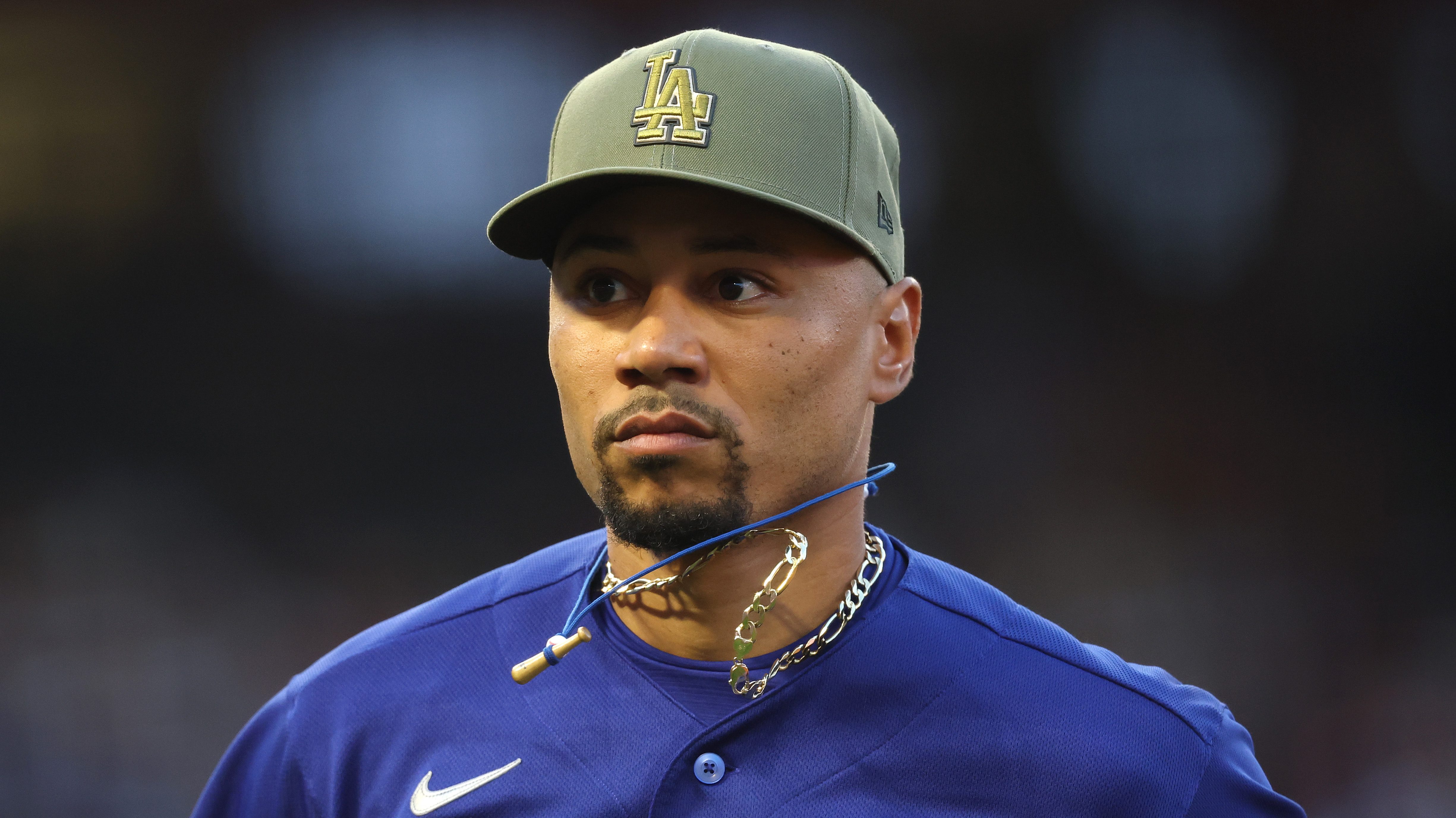
Turning to the major league squad, the Yankees entered the All-Star break with a solid record, standing at 54-42. They encountered a skid that briefly tightened the race in the American League East, placing them three games behind the division-leading Rays. In positive news, outfielder Cody Bellinger took home All-Star Game MVP honors after delivering an RBI single that helped the American League secure a victory.
As the season resumes, the club faces a demanding schedule. A pivotal three-game series against the Los Angeles Dodgers looms right after the All-Star break, presenting a stern test of the team’s depth and readiness. The Yankees will need steady contributions from across the lineup and improved production from their frontline players to maintain momentum and stay in the playoff picture.
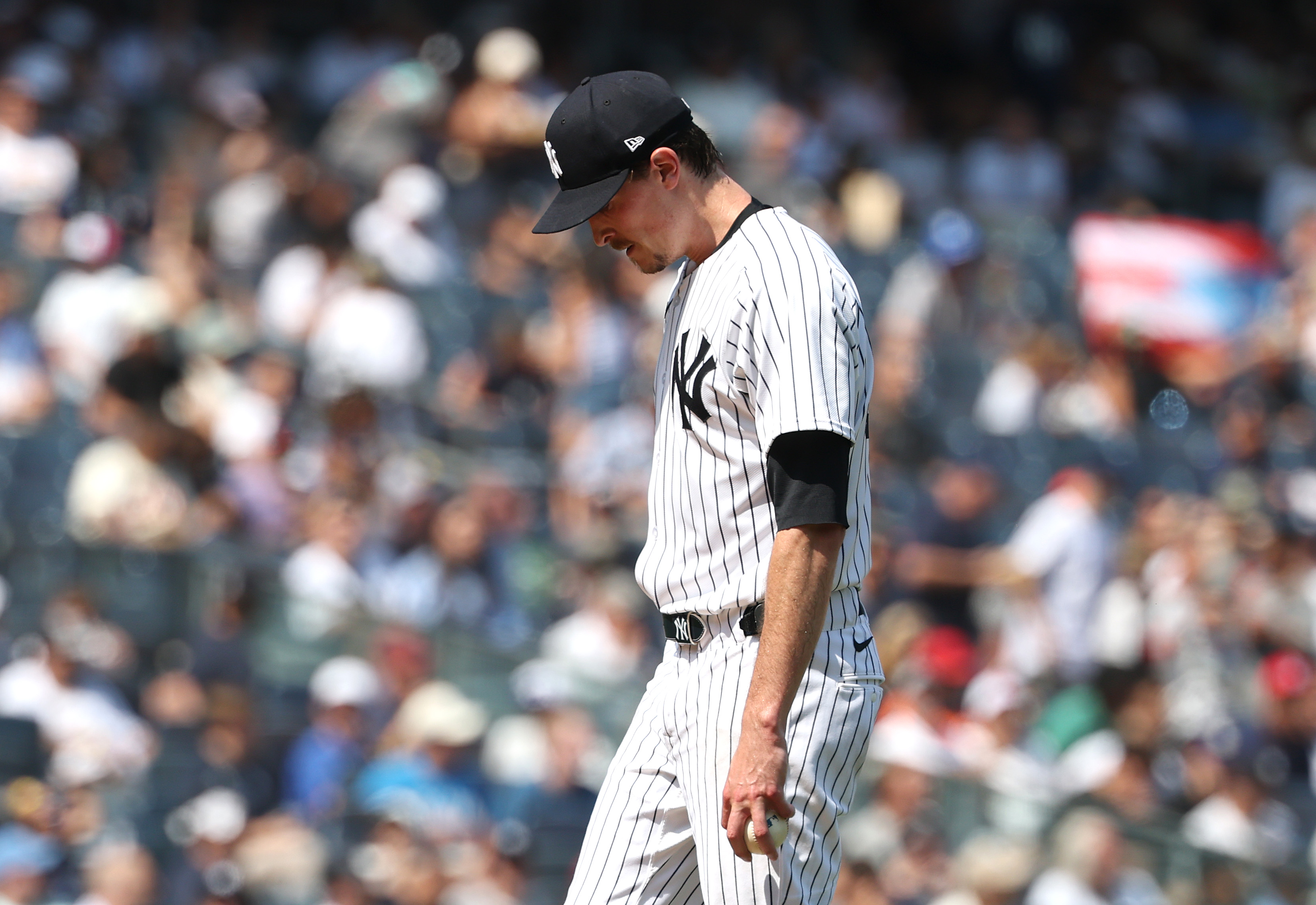
With Aaron Judge and Max Fried recovering from injuries or other setbacks, the team’s immediate challenge is to remain competitive and relevant in the pennant race. The next stretch of games will also reveal how quickly De Pena’s breakout can translate into sustained impact at higher levels and whether his early success can be replicated as he advances through the minors.
In short, Wilberson De Pena is the breakout story within an otherwise uneven season for the organization. His continued development will be watched closely by scouts, analysts, and fans who are eager to see whether a teenage phenom can translate raw power and tools into consistent performance against more seasoned hitters. If De Pena maintains his current trajectory, he could become a central figure in the Yankees’ long-term plans and a symbol of the franchise’s strong emphasis on developing homegrown talent from the ground up.