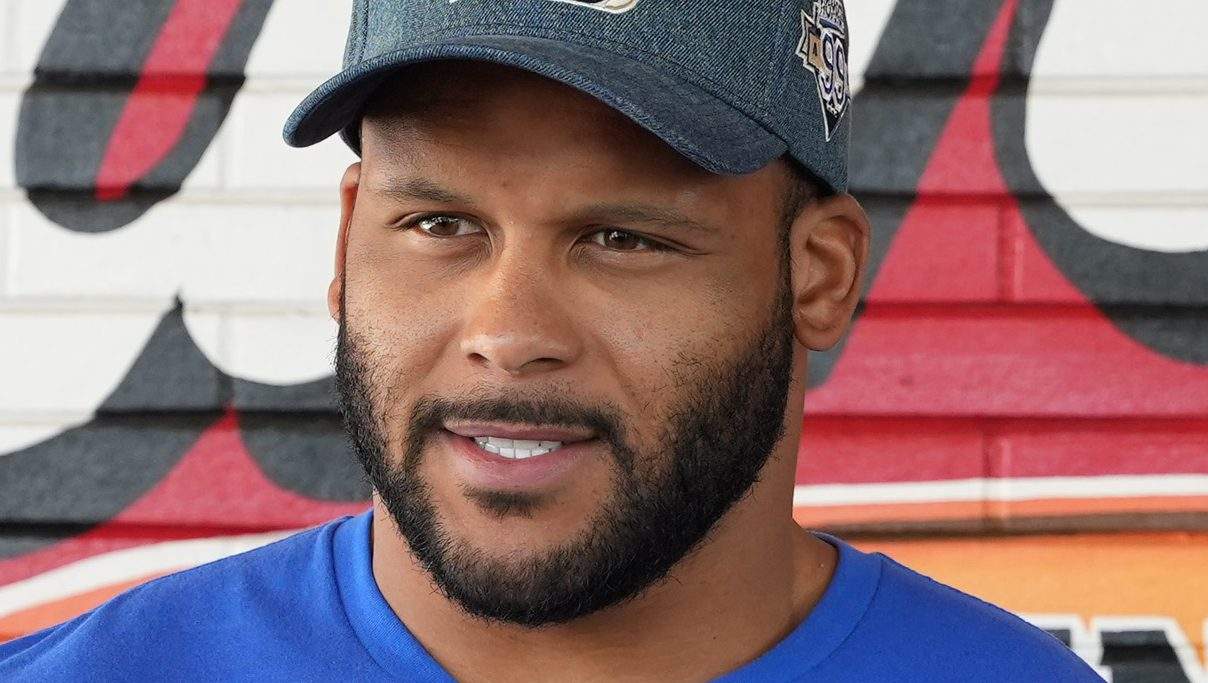
Donald elected to retire and then reemerge on the radar as he evaluates a possible comeback. His two-year layoff means he will need to ease back into football shape and reestablish the conditioning and timing that defined his elite play. This is not a signal that he plans to be a part-time contributor; rather, it reflects a measured approach to ensure he can handle the full workload and perform at his historic standard. The decision process thus centers on readiness and consistency across the entire season, not merely on a specific game or a handful of weeks.
Insider perspectives have highlighted the importance of Donald’s own assessment in the return equation. The talks emphasize a clear progression: Donald must feel fully prepared to contribute at a high level from Day One. He is reportedly prioritizing restoring all elements of his game—strength, speed, technique, and stamina—so that he can be at or near his peak when the season begins. The emphasis on preparation underscores that any potential return would be anchored in a commitment to the best version of himself, rather than a gradual, limited role. Because the Rams would welcome him if the terms align, the primary questions remain about his conditioning and readiness rather than only financial arrangements.
The timing of a potential return continues to draw attention across the organization and the league. The Rams would be eager to integrate Donald back into the lineup, supporting the defense with a player who has repeatedly demonstrated transformative impact. However, the prerequisite for any deal is that Donald feels he can return to the field in a form that matches his legacy. Workout footage and rehabilitation milestones signal intent, but they do not substitute for the on-field performance and durability required for a full season. In this framework, discussions about how many plays or snaps he would handle are secondary to whether he can sustain a high level of play for the length of an entire campaign.
From a financial perspective, the Rams’ plans must balance a veteran’s value with the club’s broader salary structure. Donald’s status as one of the franchise’s all-time greats means negotiations are likely to involve careful consideration of incentives, cap implications, and the impact on younger contributors who are entering their prime years. Reports and commentary suggest that any contract would likely include performance-based incentives and safeguards that reflect not only Donald’s history but also the evolving needs of a team building around its newer core players. The Rams have several young talents deserving extended opportunities, and the organization will want to preserve financial flexibility while acknowledging Donald’s exceptional contribution.
Those closely watching the situation indicate that the players and coaches remain focused on the practical realities of roster management. The defense could benefit significantly from Donald’s return, but any agreement would need to respect the club’s long-term plans and the growth trajectories of other defensive linemen who could emerge as key contributors. The potential for an incentives-heavy deal is a plausible path, providing motivation and aligning timelines with Donald’s readiness and performance milestones.
Several factors will shape the eventual outcome: Donald’s stamina and conditioning, the Rams’ willingness to commit to a full-season commitment, and the broader market dynamics for veteran defensive linemen. The negotiation landscape is likely to involve a structured plan that rewards sustained excellence, minimizes risk, and preserves the development opportunities for younger players on the defensive front. It is reasonable to anticipate a settlement that recognizes Donald’s unparalleled impact while ensuring the team maintains competitive balance and cap health.
In sum, Aaron Donald’s return would not hinge solely on a single variable such as money, but on a holistic alignment of preparation, performance potential, and organizational strategy. The Rams would welcome his return if the conditions enable him to play at his best throughout a full season, with a compensation structure that reflects both his extraordinary past and the team’s evolving needs. As training camps approach, the focus remains on whether Donald can rejoin at peak form and how the team can integrate him without compromising its broader goals.