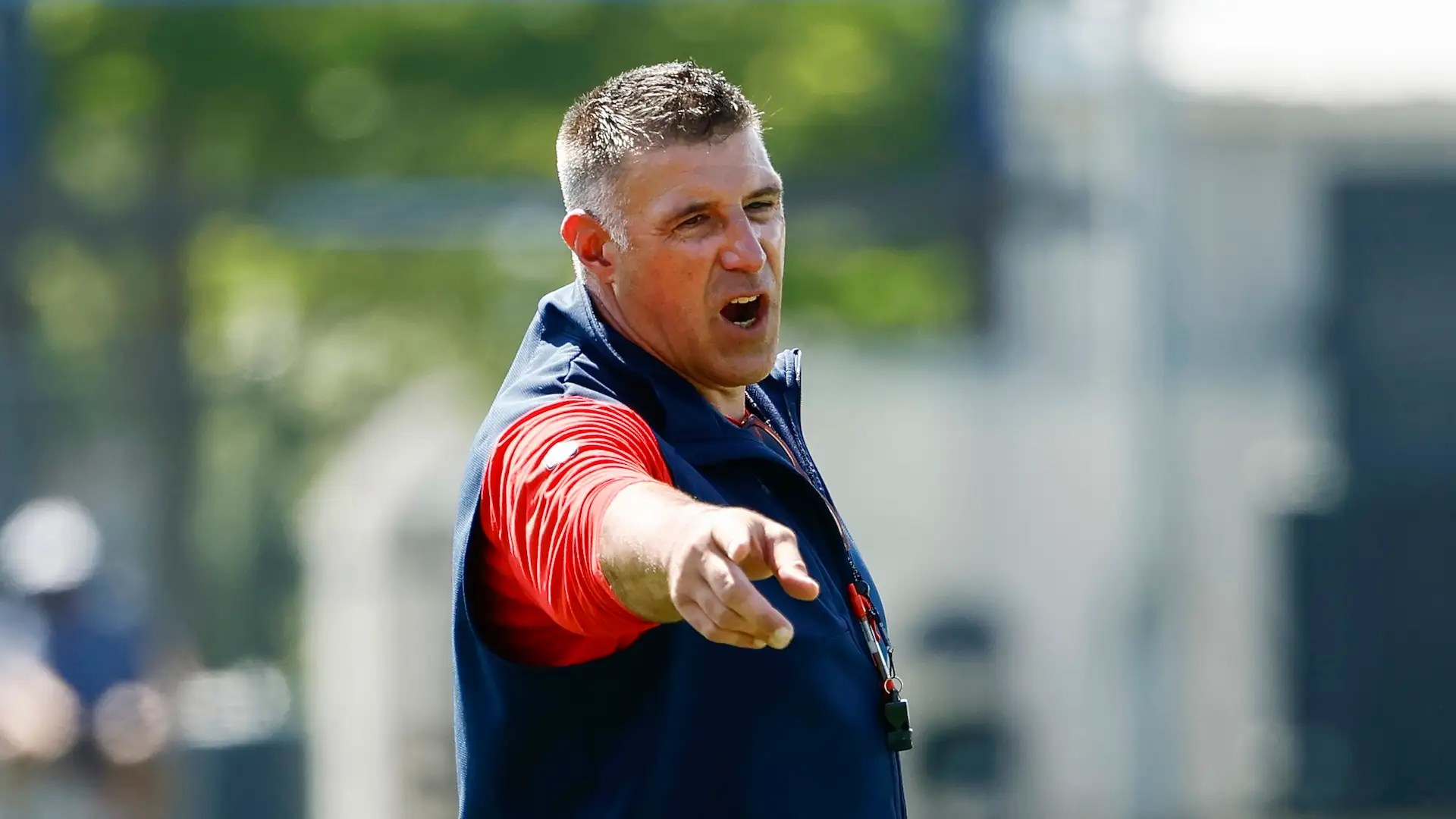
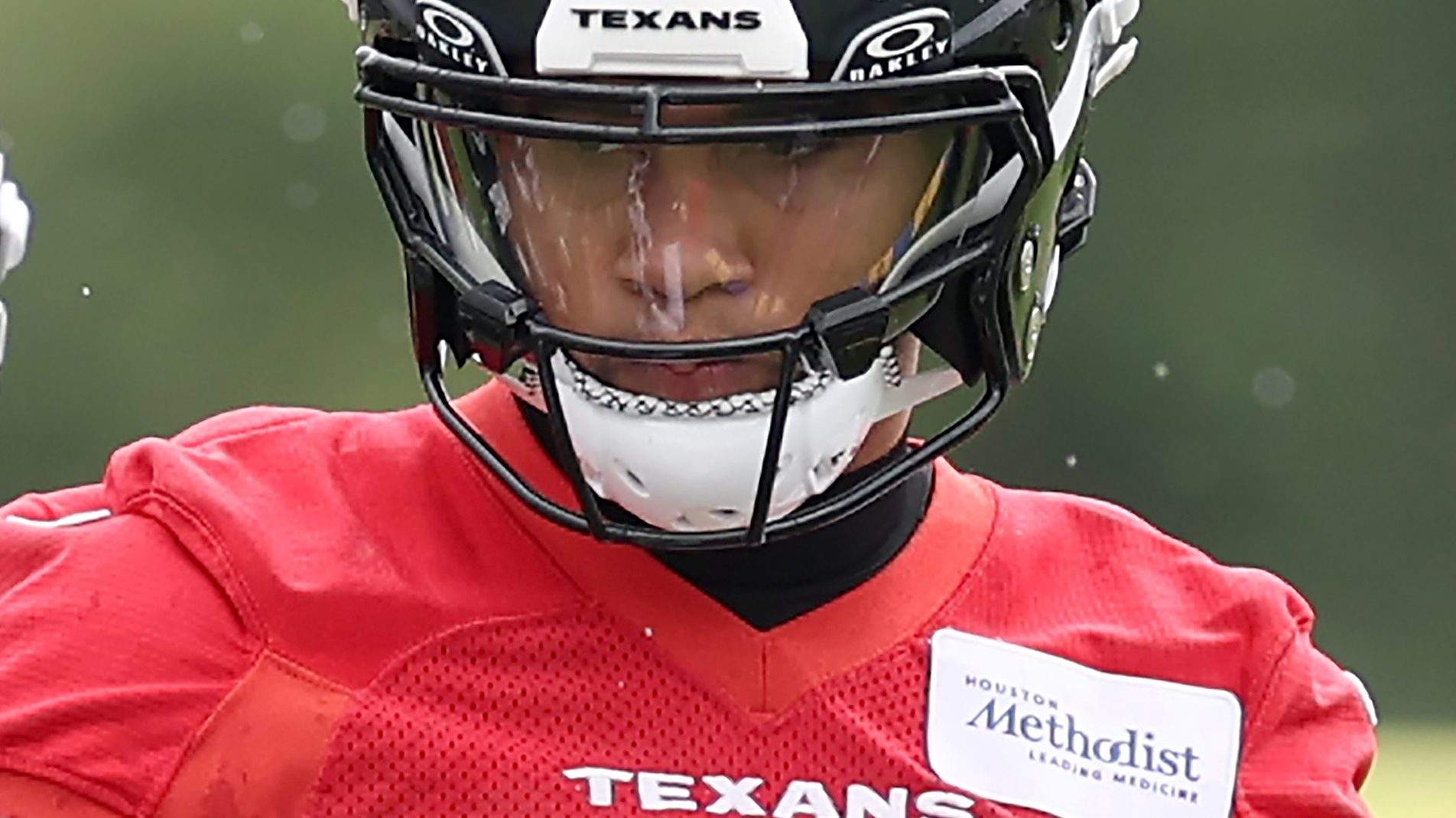
Nagy, who previously split headlines as the head coach of the Chicago Bears and later served as an offensive coordinator with the Kansas City Chiefs, arrives in New York with a resume that includes multiple Super Bowl-winning seasons as a play-caller. His experience with a high-caliber quarterback and a dynamic offense is undeniable. Still, several observers question whether his play-calling style will mesh with Dart’s skill set and the Giants’ immediate needs.
Critics argue that Nagy’s track record as a play-caller is not among the strongest in the league. The concern is that Dart’s development could be hampered if the system becomes too rigid or if Nagy’s tendencies overshadow Dart’s natural instincts. This perspective is reflected in rankings of NFL teams’ offensive infrastructures, where some analysts have placed the Giants in a lower tier, citing an “Help Wanted” situation as they seek to optimize the quarterback room around Dart.
Yet, the discussion around Nagy should be viewed through nuance. Nagy’s career includes a history of working with quarterbacks who benefited from tailored coaching and a balance between structure and improvisation. In theory, his experience can provide a framework that helps Dart refine decision-making, pocket presence, and timing without stifling the element of playmaking that first drew Dart to the position. The challenge lies in finding the right balance: preserving Dart’s dynamic playmaking while instilling the fundamentals and discipline that translate to consistent success at the professional level.
To mitigate potential growing pains, the Giants have added another layer of assurance to the coaching staff. Longtime ally Greg Roman has joined the staff as an offensive coordinator with extensive experience designing productive run-based concepts. Roman’s strengths lie in crafting a power-running attack that can physically wear down defenses and create favorable play-action opportunities. This complementary approach is intended to shield Dart from being put in precarious situations and to establish a stable, physical foundation for the offense.
Key personnel around Dart also provide protection against potential growing pains. The Giants have invested heavily in the offensive line and skill-position players who can contribute immediately. A fortified ground game, anchored by a big, physical line and a powerful fullback, can help create early advantages for the offense. The presence of a steady run game not only eases Dart’s decision-making under center but also allows for play-action concepts that put his arm and mobility to best use.
A healthy run game can also benefit the development of Dart’s pocket presence. When defenses respect a potent rushing attack, quarterbacks often gain trust in their reads and progression, enabling more nuanced passes and quicker decision-making. Additionally, a talented group of receivers gives Dart reliable options on first and second downs, helping to keep the offense in favorable down-and-distance situations. The combination of a disciplined run game, a knowledgeable pass game coordinator, and a supportive staff can create an environment where Dart learns to manage the pocket more effectively while still capitalizing on his natural instincts.
There is also value in continuity and an aligned vision across the coaching staff. With Roman’s run-centric philosophy providing a steadying influence and Nagy offering a broader offensive scheme, the Giants aim to deliver a balanced approach that leverages Dart’s strengths. If the coaching staff can blend these philosophies into a cohesive system—one that rewards decisive play by the quarterback and punishes aggressive defenses—the offense could become more efficient and less predictable.
In the end, the 2026 season will reveal how well this collaboration works. Dart’s development will be measured not only by statistical gains but by his ability to read defenses, extend plays within a carefully designed scheme, and execute with consistency under pressure. The Giants’ investment in offensive talent, coupled with a coaching staff designed to support and protect the quarterback’s growth, suggests a plan that prioritizes both his ceiling and his steadiness.
As the season approaches, the overarching narrative remains focused on how well New York constructs an offense that plays to Dart’s strengths while continuing to evolve the surrounding system. The goal is clear: to create an offense that remains dynamic and adaptable, capable of sustaining success even when the defense presents challenges. If the balance is struck, Jaxson Dart could develop into a franchise quarterback, guided by a staff that blends proven design with the freedom to make plays when opportunities arise.