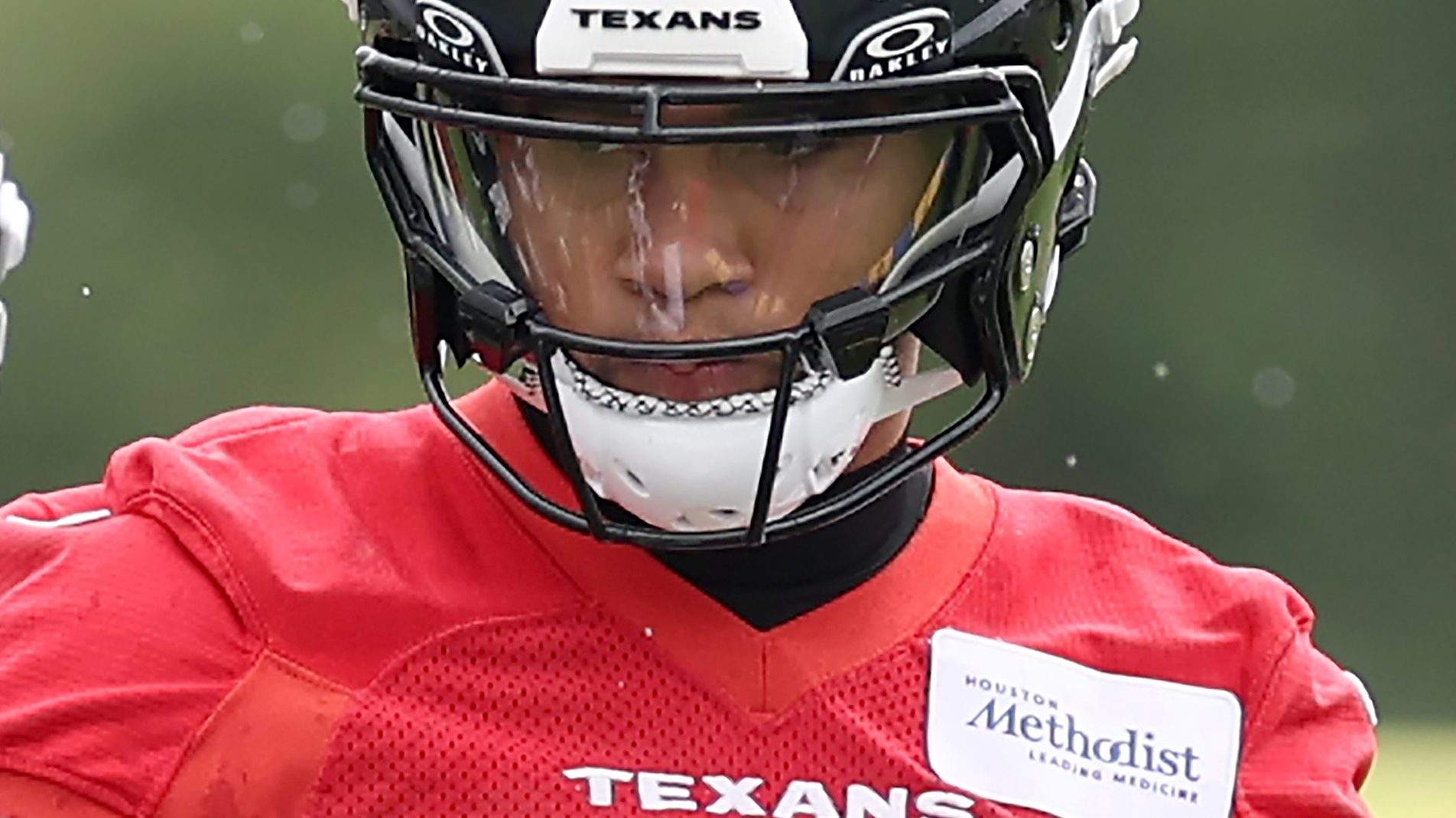
The Bills announced the addition of Quentin Skinner, a 6-foot-5, 195-pound wide receiver, after he was claimed off waivers from the New York Jets. Skinner played his first NFL season in 2025 after entering the league as an undrafted free agent from the University of Kansas. His size and length give him an appealing profile for how the Bills want to stretch defenses and create mismatches on the outside.
This move comes in the context of a broader effort to inject upside and youth into a receiving corps that has faced durability concerns and inconsistencies at times. Skinner’s background includes notable production in college and the potential to develop into a red-zone and vertical threat at the professional level. While his rookie campaign with the Jets did not result in a breakout season, NFL teams often view undrafted players as high-upside contributors who can be groomed within a structured system.
From a team-building perspective, Skinner’s size is an asset. A wide receiver standing around 6-foot-5 can provide a distinct profile that helps the Bills attack multiple areas of the field. In modern football, tall outside receivers can line up on either boundary and use their catch radius to win contested catches, high-point balls, and 50-50 fades in the red zone. When paired with the speed and route-running ability of the team’s other pass-catchers, Skinner could become a valuable piece of play-action concepts and goal-line packages.
For the Bills, integrating Skinner into the receiver room will involve a combination of coaching development, play design, and tempo adjustments. Expect the coaching staff to prioritize route precision, catching mechanics under varying windows, and learning the Bills’ playbook protections and recognition—areas that can accelerate a young player’s transition from potential to production. As with any new addition, Skinner will need opportunities to prove himself in practice and then earn targets in game situations.
Beyond Skinner, the Bills have options to diversify their receiver group. The position battle in training camp and through the preseason will be closely watched by fans and analysts alike, as the team looks to identify a reliable complementary option to Diggs. The presence of a seasoned veteran alongside a young body could help balance the room, providing reliable hands on third downs and red-zone targets while Skinner and others develop their chemistry with the starting quarterback.
In evaluating this acquisition, several questions remain relevant for fans and analysts:
– How quickly can Skinner acclimate to the Bills’ offensive system and playbook?
– What specific routes and alignments will the coaching staff prioritize for him to maximize his size advantage?
– How will Skinner’s development impact depth at wide receiver and special teams duties?
– Can the Bills’ passing attack achieve improved efficiency and consistency with a more dynamic group of receivers?
For those following the Bills’ offseason moves, Skinner’s waiver claim signals a proactive approach to roster construction. It reflects an emphasis on upside and height at a position where matchup advantages can translate into meaningful gains on game day. As the team continues to assemble its personnel, Skinner’s progress during training camp and the preseason will be closely observed to gauge his potential impact in the regular season.
In summary, the Bills have added Quentin Skinner to their wide receiver corps in a bid to bolster size, downfield potential, and red-zone capability. The coming weeks will reveal how quickly he can adapt to the rapid pace of NFL play and how his presence influences the overall receiver rotation and the offense’s dynamic with quarterback play. If Skinner earns playing time and capitalizes on his opportunities, he could become a valuable contributor as the Bills seek to reestablish a 1,000-yard receiving threat and diversify their passing game weapons.