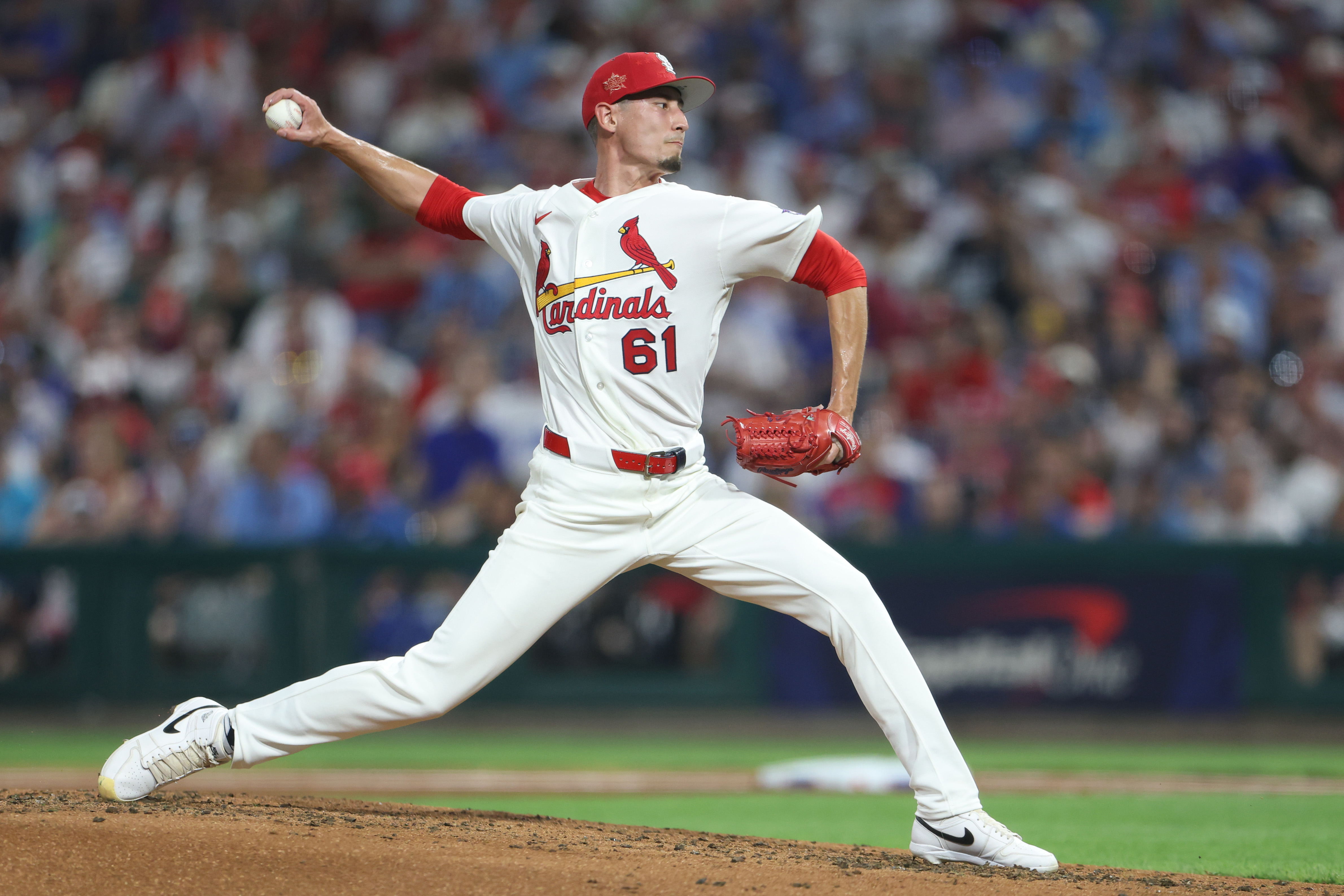
The 2026 T-Mobile Home Run Derby delivered an unforgettable showcase of power, drama, and a refreshed competition format that emphasized a strategic approach to hitting. In a dramatic finale, Jordan Walker of the St. Louis Cardinals dethroned Kyle Schwarber of the Philadelphia Phillies, becoming the first Cardinals player to win the Home Run Derby. The final produced a burst of tension as Schwarber launched 11 homers, but Walker matched and surpassed that total with 12 on the last pitch of his final at-bat, sealing the victory in a heart-stopping finish.
A fresh set of rules helped shape the excitement. Instead of a timer driving the round, competitors were limited by a maximum number of swings per round. This adjustment added a new layer of strategy, rewarding hitters who could maximize each swing and manage their energy over the course of the round.
Payouts and prize structure for the night added another layer of interest. Walker walked away with the top prize of $1 million for his victory. Each participant in the field received compensation for their effort, with notable earnings for the other finalists and contenders. The runner-up earned $500,000, while the remaining eight participants split $150,000 each. A special bonus was awarded for the longest home run of the night, adding an extra incentive for every entrant to chase distance.
Detailed payout breakdown for 2026 Home Run Derby:
– Winner: Jordan Walker (St. Louis Cardinals) – $1,000,000
– Runner-up: Kyle Schwarber (Philadelphia Phillies) – $500,000
– Remaining participants (each): Junior Caminero (Tampa Bay Rays); Willson Contreras (Boston Red Sox); Bryce Harper (Philadelphia Phillies); Ben Rice (New York Yankees); Munetaka Murakami (Chicago White Sox); Jac Caglianone (Kansas City Royals) – $150,000 each
– Longest Home Run bonus: 491 feet – Junior Caminero (Tampa Bay Rays) – $100,000
Junior Caminero Brings In Substantial Earnings
While Walker took home the grand prize, Junior Caminero also made a notable impact. The Rays’ rising star earned $250,000 for his participation and another $150,000 for simply taking part. Caminero’s night also featured a standout moment when his 491-foot homer earned him an additional $100,000 for the longest blast of the event, beating out a 490-foot shot by Willson Contreras that earned him a separate $100,000 bonus. For Caminero, a player on a minimum-scale salary, these bonuses translate into meaningful financial and developmental momentum early in his major league career.
Impact of Derby Payouts for Players Across the Field
For established stars with multi-million-dollar contracts, the prize money is a nice addition but not life-altering. However, for younger players and those early in their careers, the Derby’s financial rewards can be transformative. The event has increasingly become a platform not only for showmanship but also for meaningful monetary windfalls that can support development, travel, training, and personal investments off the field. The inclusion of the longest-homer bonus further elevates the importance of power and distance in the competition, rewarding hitters who combine technique with raw power.
Event format and viewer appeal
The revised swing-limit format added a level of tactical depth missing from previous editions. Hitters had to balance aggression with precision, choosing when to swing for the fences and when to conserve energy for later rounds. This dynamic, paired with the high-stakes prize structure, helped keep fans engaged throughout the night as players pushed for the maximum output within their allotted swings.
Closing thoughts
The 2026 Home Run Derby delivered a compelling blend of athleticism, strategy, and drama. Jordan Walker’s victory marked a historic moment for the Cardinals and provided a memorable highlight reel moment as he outlasted Schwarber in a climactic finish. The new rule framework, combined with substantial prize money and the longest-homer bonus, underscored a renewed emphasis on power, efficiency, and tournament-level competition. As the season progresses, the Derby’s outcomes and the financial incentives attached to them will likely influence how players approach the event in future years, continuing to shape the narrative of one of baseball’s most anticipated exhibitions.