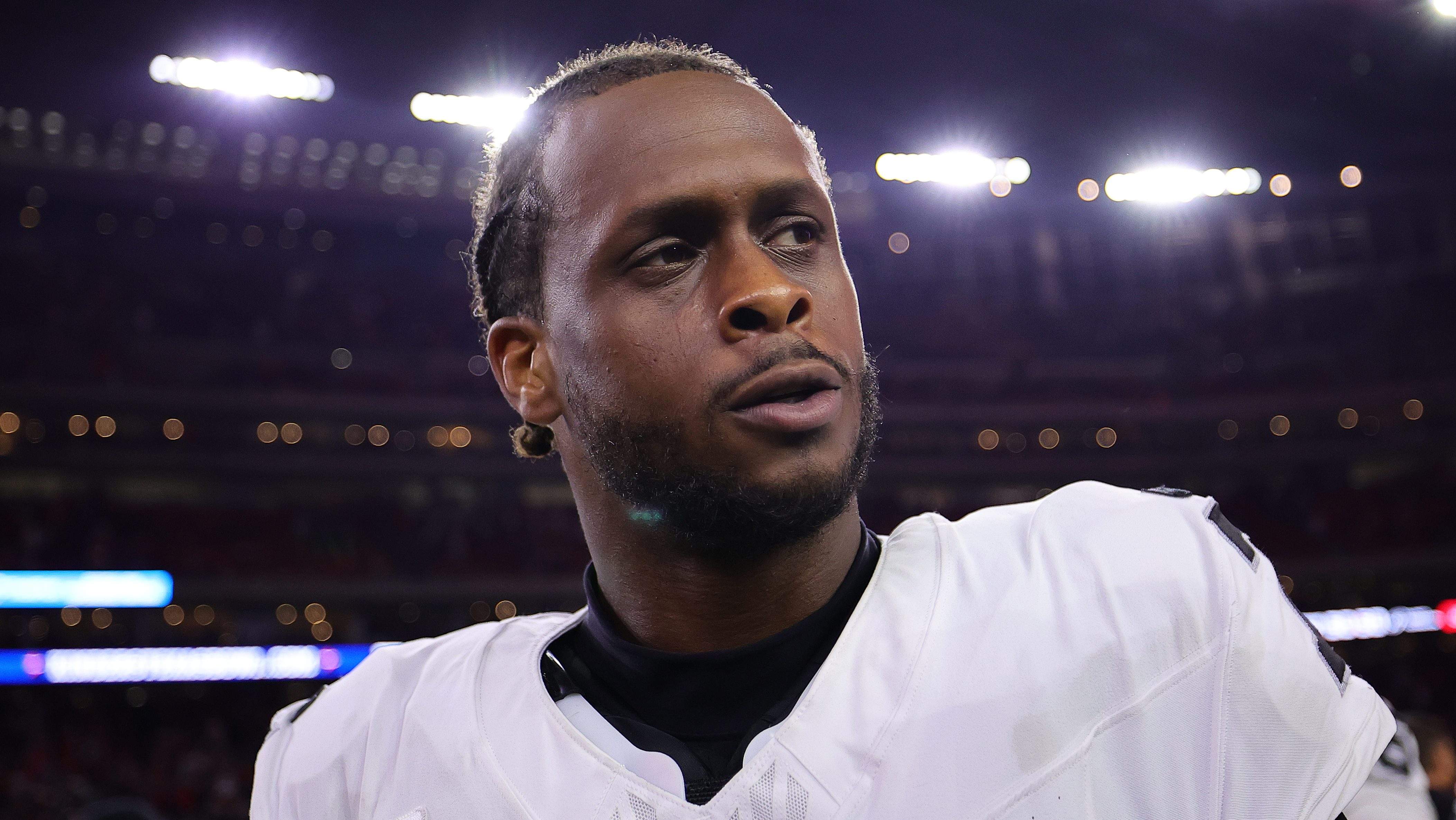
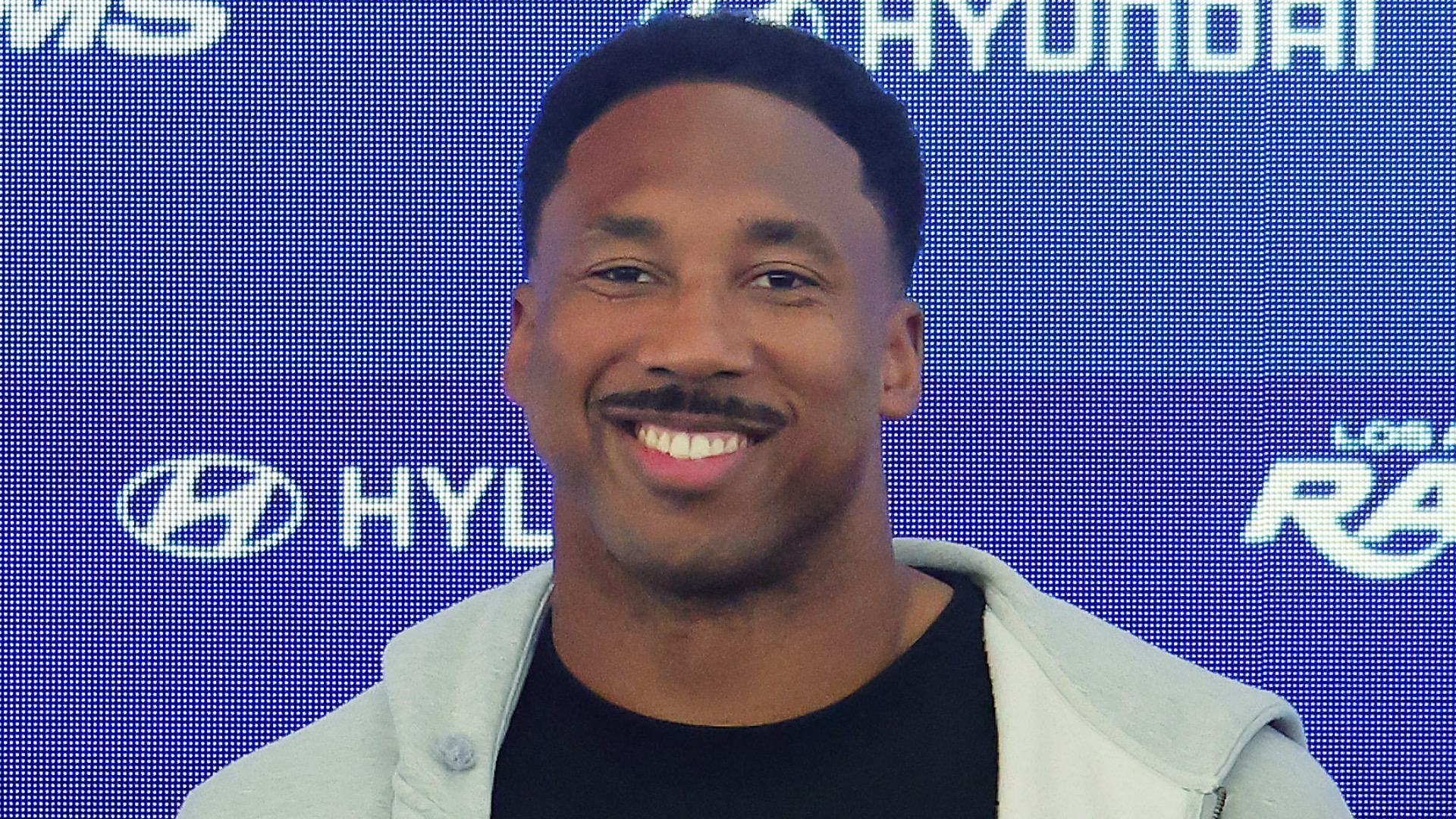
Competition at the position remains intense, with Tua Tagovailoa expected to be a primary challenger for the starting role. The offseason narrative centers on how the Falcons will balance a quarterback room that includes Penix’s proven steadying presence and Tagovailoa’s experience and accuracy. In the weeks that followed the draft and spring workouts, observers noted that both quarterbacks were given opportunities to demonstrate their fundamentals and decision-making under various drills and team scenarios. However, when health limits practice participation, evaluating the competition becomes more challenging, potentially slowing the process of determining the starter heading into training camp.
Penis injury history has continued to shadow his progression. He sustained a partially torn ACL that previously sidelined him during critical offseason periods, delaying a full return to on-field work. Coaches have underscored the importance of equal evaluation for both signal-callers, emphasizing that a true head-to-head competition requires both players to be operating at a similar physical level. Until Penix is able to participate in 11-on-11 drills and full-speed reps, the team’s assessment of his readiness versus Tagovailoa will remain incomplete.
Tagovailoa’s reps have increased during spring and minicamp, allowing him to build chemistry with teammates and demonstrate accuracy under pressure. Reports from practice sessions highlighted several notable completions in red-zone situations and connections with skill-position players, including a few to young receivers and veteran additions. Such performances can help Tagovailoa gain confidence with the offense and earn trust from the coaching staff, especially as they weigh veteran experience against Penix’s potential ceiling.
From a performance perspective, the Falcons will be watching how Penix translates his college-type poise into NFL-driven reads, timing, and mechanics. In prior seasons, his accuracy and decision-making were strong suits, but durability concerns can complicate expectations. The organization will likely emphasize a careful return-to-contact plan, ensuring he is fully cleared before ramping up to full-speed practice. This approach helps mitigate re-injury risk and provides the coaches with a clearer picture of his capabilities when fully healthy.
Meanwhile, the team’s coaching staff has been vocal about the need for a fair competition that mirrors a true game-day scenario. The quarterback room’s dynamic hinges on access to comparable practice reps, something that may hinge on Penix’s health status as spring gives way to summer work. If Penix can demonstrate consistent mechanics, pocket presence, and decisive throws, he could still present a compelling argument to retain the starting role once he’s fully cleared. Conversely, Tagovailoa’s progress in establishing rapport with the receiving corps, his quick reads, and his ability to sustain accuracy in faster-paced environments will be equally critical in the evaluation process.
Beyond the on-field considerations, there is a broader context surrounding the Falcons’ offense. The team hopes to maximize the skill set of its talented supporting cast, which includes dynamic playmakers who can exploit mismatches in the secondary. The quarterback’s ability to distribute the ball efficiently, protect the football, and manage situational play-calling will be essential in optimizing the offense’s overall efficiency. Offensive coordinators will likely craft game plans that play to each quarterback’s strengths, ensuring the system remains adaptable regardless of which quarterback is under center.
As the offseason progresses toward training camp, medical staff and coaching personnel will closely monitor Penix’s knee rehabilitation and overall conditioning. The timeline for a full return to practice remains a key variable, with the expectation that any definitive starter announcement will come once both signal-callers have demonstrated sustained readiness and consistency across practice formats. In such a scenario, the Falcons aim to have clarity on quarterback depth and the ability to execute a balanced attack that keeps defenses guessing.
The national spotlight often magnifies each decision point during quarterback battles, but the Falcons’ path to a successful 2026 season will hinge on clear communication, disciplined execution, and a robust support system around the quarterbacks. If Penix can regain peak form and demonstrate durable performance, he could reclaim a leadership role and prove his long-term viability as the starter. If Tagovailoa continues to develop a strong command of the playbook and shows consistent performance in team drills, he could emerge as the frontrunner for the job. Either outcome will shape the team’s trajectory for the coming years.
In interviews and public comments, the coaching staff has reiterated the importance of healthy competition and patient evaluation. The franchise is building toward a season where the quarterback position is a catalyst for growth rather than a source of hesitation. Fans and analysts alike will be watching closely as minicamps, organized team activities, and eventually training camp unfold. The goal remains straightforward: establish a clear, competent starting quarterback who can lead a high-potential offense and deliver results on game day while protecting the football and maximizing the strengths of the surrounding talent. The 2026 season promises to reveal whether the Falcons’ quarterback plan can align with their aspirations for a competitive and sustainable offensive identity.