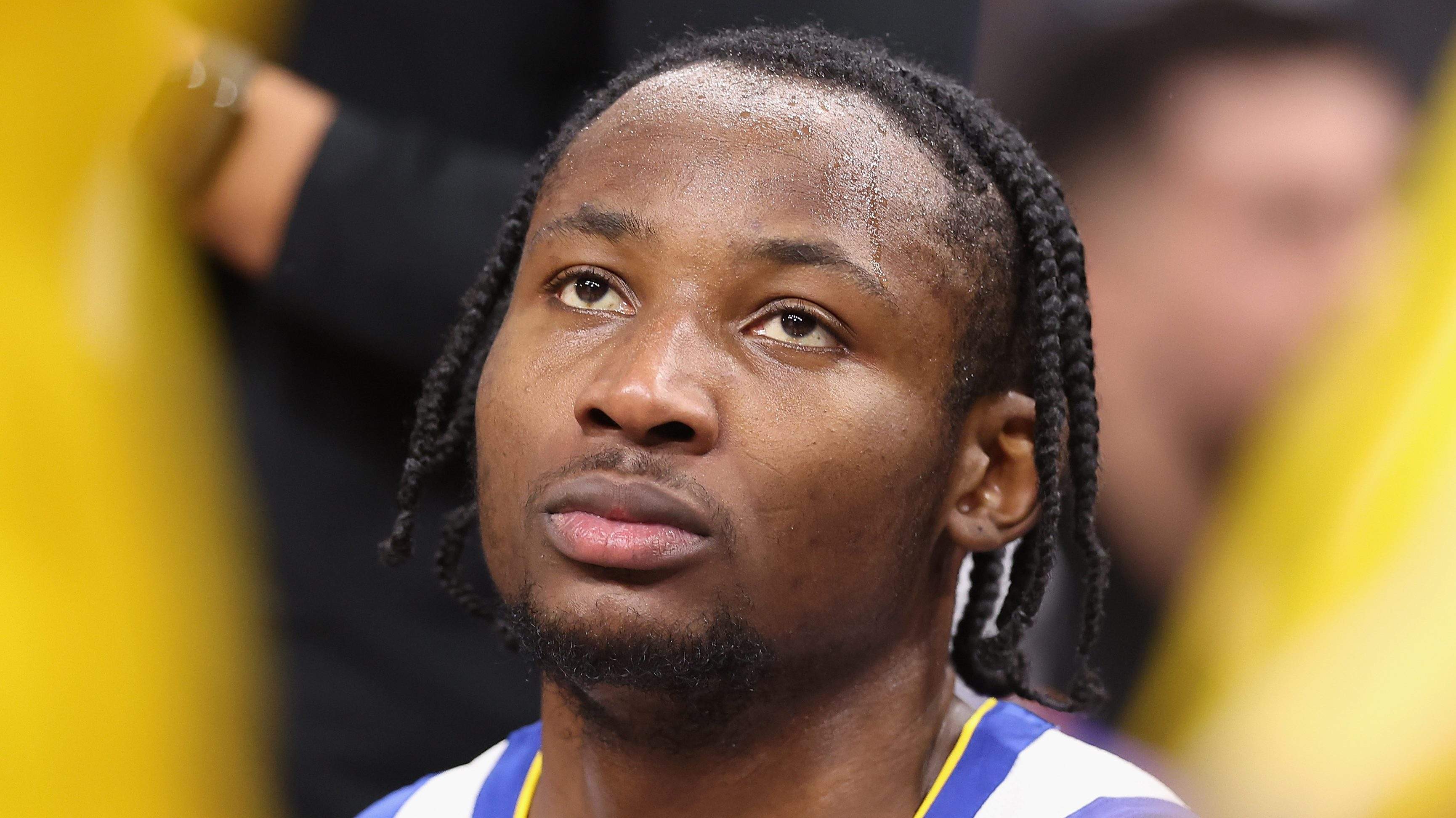
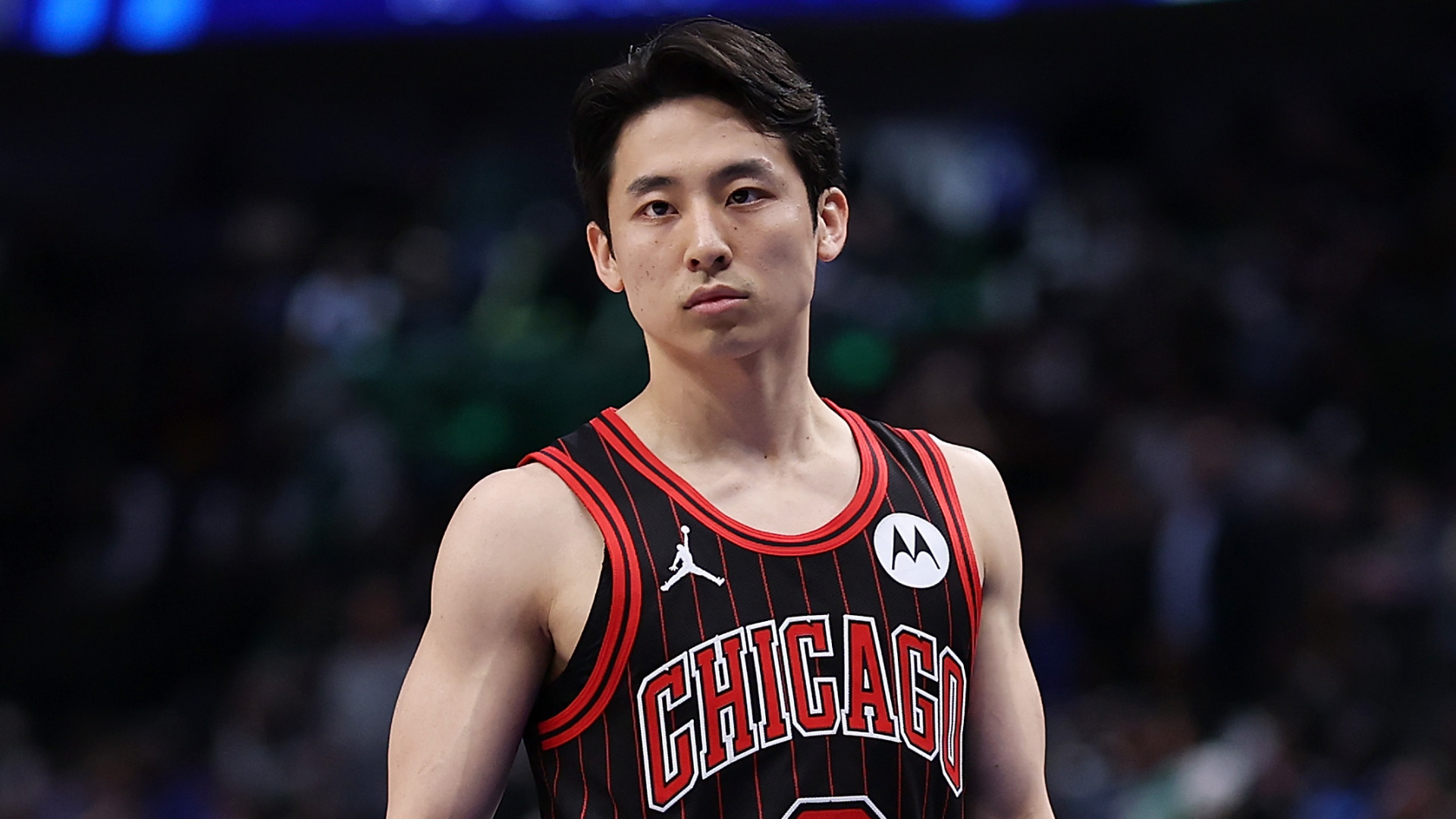
The friction around Adebayo’s extension has been characterized by some as part of a larger narrative about role definition, status, and trade rumors within the Heat organization. Reporters noted that Adebayo’s achievement of a max contract, combined with a lack of comparable trade rumors surrounding him, contrasted with the experiences of others who had seen their roles or futures discussed more openly in the media or within the franchise. This dynamic has been described by observers as fueling tension among former and current Heat players who viewed Adebayo as the central figure in Miami’s plans.
In public commentary and social media discourse, speculation mounted that Butler’s desired contract extension and associated expectations were a source of strain. Butler reportedly wanted a two-year, $113 million maximum extension, a proposal the franchise was reluctant to grant due to concerns about age and injury history. The disagreement over this contract matter is often cited as a contributing factor to a broader rift, which included Butler’s departure from the Heat and subsequent move to the Warriors at the trade deadline of the following season. While the specifics of the fallout vary across reports, the overarching takeaway is that Butler’s relationship with Adebayo became strained after the latter’s continued prominence within the Heat’s plans.
Additional reporting suggested that Butler has not maintained the same level of communication with Adebayo since joining his new team. This distance is frequently framed as part of a larger pattern of post-trade dynamics, where former teammates recalibrate their relationships in the wake of personnel changes and evolving team hierarchies. Meanwhile, chatter among analysts and fans highlighted how the dynamic between Herro and Adebayo evolved in the wake of Adebayo’s extension and Herro’s own career trajectory. Some observers noted that Herro’s public comments and social media activity could be interpreted as challenges to Adebayo’s standing, while others argued that such exchanges were part of the natural rivalry and teen-like banter that can accompany high-profile players with superstar expectations.
The situation intensified when a heated exchange occurred between Adebayo and Herro in a private setting, during which Adebayo confronted Herro following social media activity that appeared to critique Adebayo’s playoff performance. Allegations circulated that Herro had posted content on social platforms that mocked or questioned Adebayo’s role and contributions. Reports at the time described a tense confrontation at a gym in a high-traffic venue, attended by an AAU program affiliated with Herro, where Adebayo reportedly approached Herro and delivered a punch. The incident prompted immediate responses from those connected to the teams involved, with some sources indicating that security personnel intervened and that both players departed the scene separately.
Law enforcement confirmed that officers were not summoned to the incident, and organizations connected to the players refrained from issuing formal public statements during the initial days following the event. The Heat, in their official capacity, acknowledged awareness of the incident but did not provide further commentary. Meanwhile, teams associated with Herro and Butler maintained a cautious stance, recognizing the matter without elaborating on specifics. The broader basketball community continued to discuss the incident as part of ongoing conversations about locker room culture, leadership, and the pressures that come with sustaining a championship-contending roster.
From a strategic perspective, the Heat have repeatedly emphasized the importance of unity and collective focus in pursuing continued success. The franchise’s approach to roster development, player development, and leadership training is designed to deter internal conflicts from derailing on-court performance. In the wake of any such incidents, teams typically reassess communication channels, reinforce protocols for handling disagreements, and implement steps aimed at preserving a cohesive locker room environment. The broader narrative around Bam Adebayo, Tyler Herro, and Jimmy Butler serves as a case study in how superstar-level contracts, public perception, and personal ambitions can influence team dynamics, even within organizations known for their strong organizational culture.
Fans and analysts continue to weigh whether internal friction will have lasting effects on performance, chemistry, and leadership. While talent and depth remain strong for the Heat, the episode underscores the reality that elite teams are not immune to interpersonal tensions. Effective management of these tensions—through clear communication, fair competition for roles, and robust support systems for players—remains essential for maintaining a winning culture.
In presenting this account, the focus remains on the factual sequence of events and the broader implications for team dynamics, leadership, and performance. The incident highlights how high-profile contracts and public scrutiny can intersect with personal relationships, shaping the narratives surrounding star players and their teams. As the Heat continue to navigate the complexities of modern professional basketball, the emphasis on unity, resilience, and disciplined leadership will be key to translating potential conflicts into opportunities for growth and sustained success.