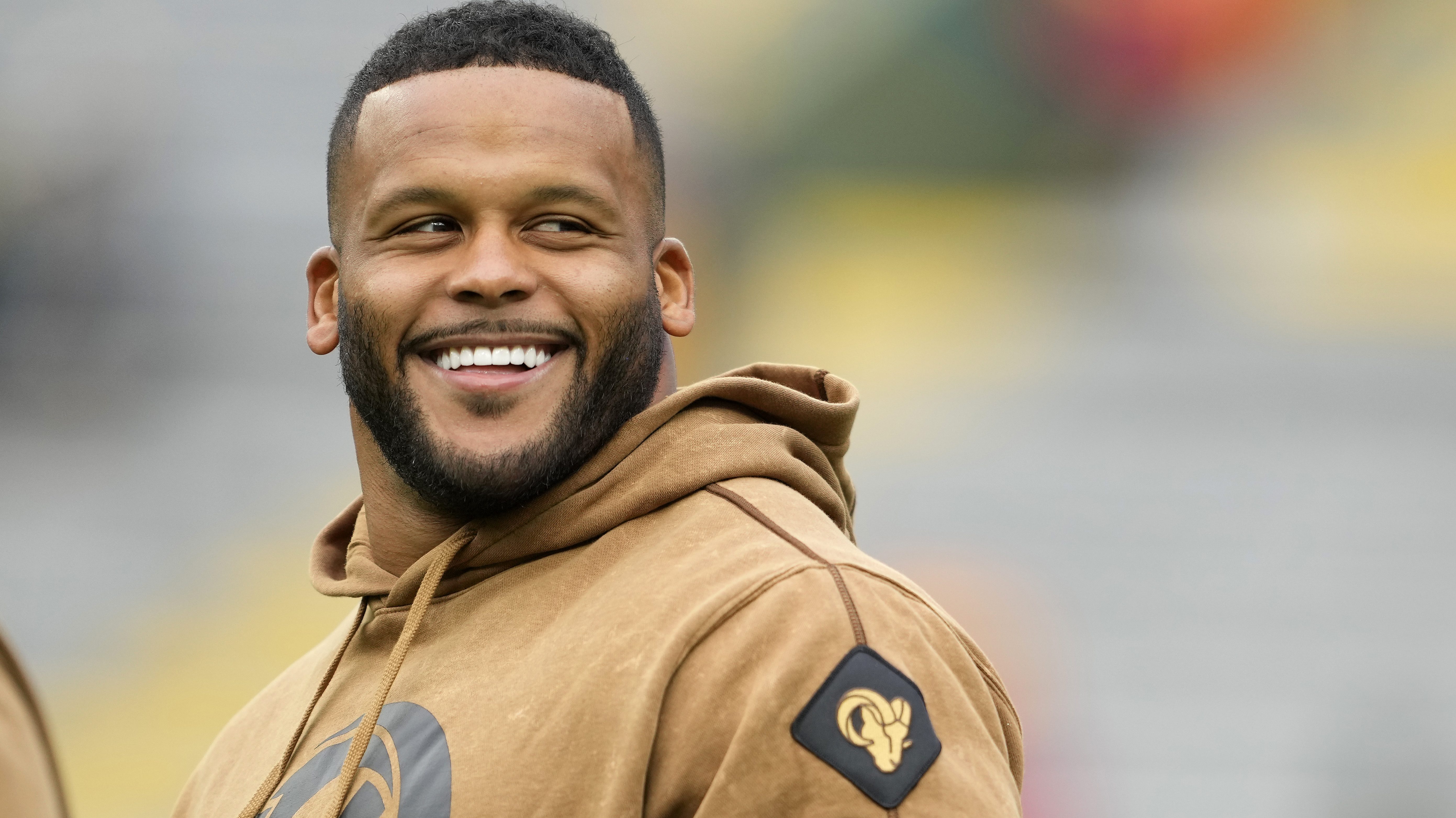
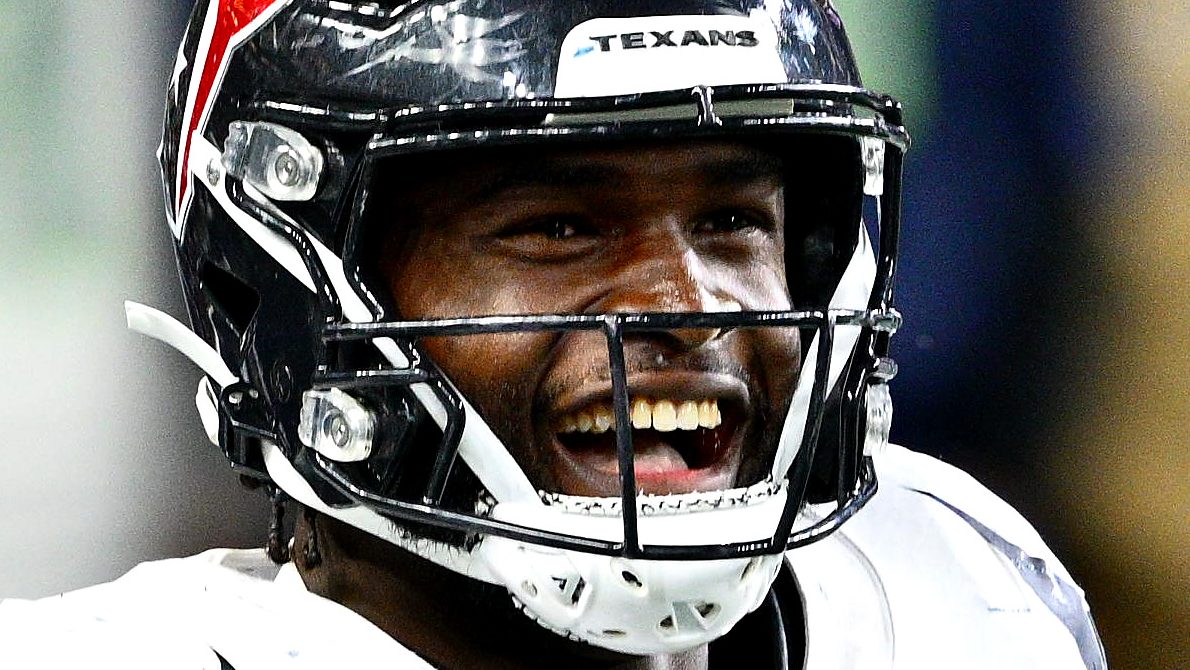
If Donald returns, he would join a defensive front that already includes Garrett alongside Byron Young, Kobie Turner, Braden Fiske, and Poona Ford. While labeling this year’s group as the best defensive front of all time would require a full season of evidence, recognizing it as one of the most talented ensembles previously assembled is a reasonable claim.
Two generational problems for opponents
Garrett joined the Rams after an outstanding campaign in which he set an NFL sack record with 23 and earned a second AP Defensive Player of the Year award. He has recorded at least 12 sacks in six straight seasons and double digits in each of the past eight. Donald, who retired after the 2023 season with 111 career sacks, eight first-team All-Pro selections, and three Defensive Player of the Year awards, posted eight sacks and 23 quarterback hits in his final season.
Even a reduced version of Donald would alter the protection calculus for opposing offenses. If teams slide help toward Garrett, interior pressures become more likely; if they double Donald, Garrett or Young could have a clearer path around the edge. Keeping a tight end or running back in to assist would also reduce the number of eligible receivers in the route. With attention distributed between Garrett and Donald, depth players behind them would have more chances to shine.
Last season’s combined output from Garrett, Young, Turner, Fiske, and Ford was strong. Young had 12 sacks and 29 quarterback hits, Turner contributed seven sacks from interior alignment, and Fiske is a year removed from an 8.5-sack rookie season. These numbers came in various roles and under different defenses, but they illustrate a diversified front that can disrupt opposing backfields from multiple angles.
A historical level of depth and potential
The best defenses in NFL history are remembered for both their pass-rush production and their big-game impact. Classic units like the 1984 Chicago Bears and the 1989 Minnesota Vikings posted prolific sack totals and overwhelmed opponents in crucial moments, culminating in postseason success. The 2007 New York Giants also led the league in sacks and stifled an undefeated offense on the way to a Super Bowl title. If the Rams can assemble a front with similar disruption and playoff effectiveness, they could join that elite lineage.
Key questions remain about how Donald’s return would translate in practice. The amount of playing time he can handle will shape his overall impact and, by extension, how much pressure opposing offenses must allocate to him. Would he be deployed in limited, high-impact spurts, or would he take on a heavier snap count to maximize disruption? The answer will influence not only Donald’s own effectiveness but also the way the rest of the defensive line performs.
Depth beyond Garrett
The supporting cast would be expected to carry significant responsibilities if Donald is part-time or limited in his role. Young has shown strong pass-rush ability, delivering notable pressure rates and sacks. Turner has demonstrated interior disruption and has been effective in pressuring quarterbacks from the inside, contributing to favorable third-down situations. Ford brings early-down strength that could help keep Donald fresh for higher-leverage moments, allowing the defensive line to maintain a high level of performance across different phases of the game.
PFF-grade indicators from recent seasons illustrate the talent spread across the group. Young posted a high overall grade with strong pass-rush and run-defense marks, while Turner earned top-tier interior grades and contributed to a high-pressure rate on opponents’ dropbacks. Ford’s interior disruption and run defense also stood out, underscoring the potential for a balanced, teeth-on-edge frontline.
Conclusion
The potential addition of Aaron Donald to an already talented defensive front raises intriguing questions about how the Rams might produce at an historic level. If he stays healthy and can contribute meaningfully, the combination of Donald, Garrett, and the versatile depth behind them could complicate game plans for even the best offenses. The Rams’ defense would not only aim to accumulate sacks but also to deliver in high-leverage moments, building a narrative around a unit capable of redefining rival quarterbacks’ comfort zones.
As plans progress and the season unfolds, all eyes will be on how the Rams organize their rotation, manage snap counts, and leverage the depth at defensive line to maximize pressure, disrupt rhythm, and generate critical stops in the most pivotal moments of games.