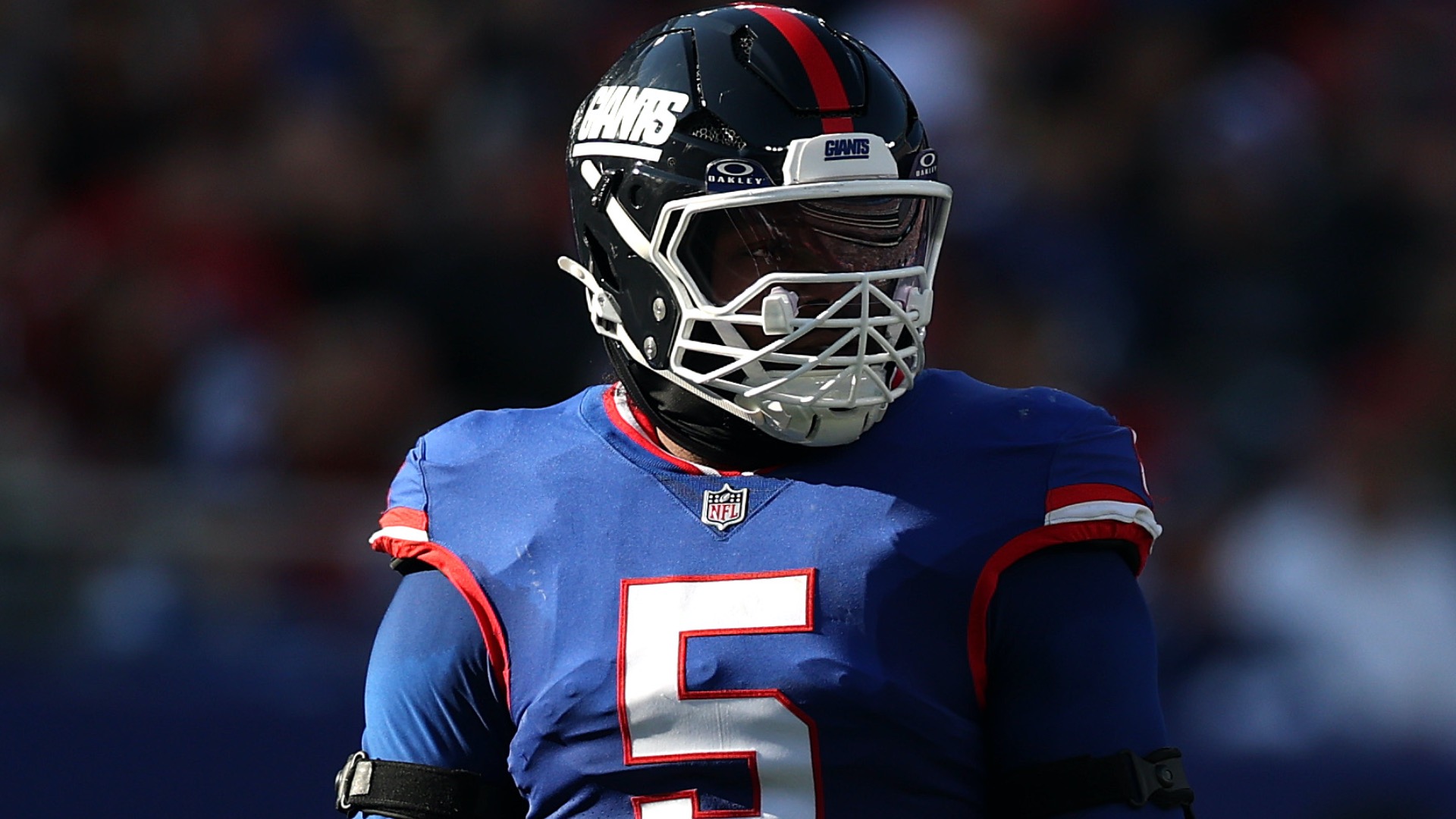
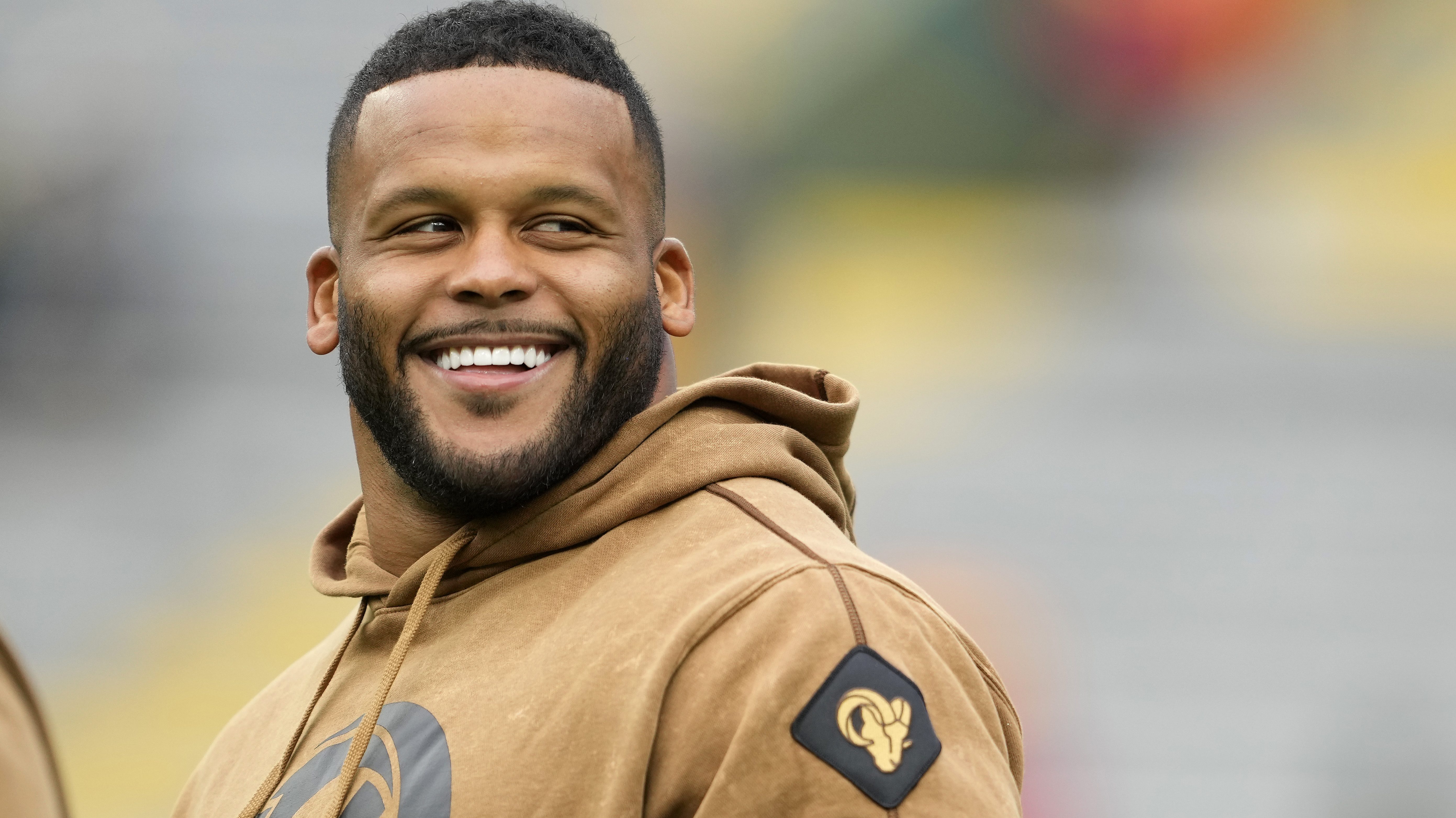
A prominent name circulating among analysts as a potential difference-maker is Blake Miller, the Lions’ first-round pick in the 2026 NFL Draft and a Clemson Tigers offensive tackle. Miller is viewed as a player with the talent to reshape Detroit’s offensive line, providing the stability and ceiling the unit has sought in recent seasons. The expectation is that Miller could unlock more consistent production from quarterback Jared Goff and sharpen the running game by sealing the edges and creating reliable pockets.
The assessment from analysts emphasizes Miller’s readiness compared to typical rookie transitions. Unlike many college athletes who need time to adapt to the professional pace, Miller arrives with extensive game experience and a track record that suggests he can hit the ground running. He played four seasons at Clemson, appearing in 54 games and logging a substantial 3,778 offensive snaps at right tackle. This background is cited as a strength, signaling a smoother transition to the NFL and a higher likelihood of immediate impact.
Physically, Miller checks all the boxes for a modern NFL tackle. Standing 6 feet 6 inches tall and weighing around 318 pounds, with 34-inch arms, he possesses the prototypical frame for an elite offensive tackle. His physicality supports a strong anchor against power rushers and the lateral movement necessary to handle edge speed. This combination—size, reach, and movement—positions him well to protect the quarterback and contribute to a more balanced offensive attack.
Detroit’s line will also experience notable shifts in personnel this season. The departure of a long-tenured veteran left tackle created an opening for a new era on the line. In this reformation, Penei Sewell is expected to move to his natural left tackle position, while Miller steps in at the right tackle. The configuration aims to form a cohesive pair on the outside, with Sewell protecting the blind side and Miller handling the opposite edge. The goal is to establish a formidable duo that can anchor the line against high-caliber defenses and contribute to a more efficient run game.
If Miller adapts quickly, he could become the linchpin that elevates the offense beyond what has been seen in recent seasons. A more reliable right tackle can reduce pressure on Goff, allowing him to diagnose defenses with more time and confidence. In turn, the improved protection can open lanes for the running backs and create favorable play-action opportunities. A successful development from Miller could thus translate into more consistent scoring and improved offensive rhythm, helping Detroit close the gap with top-tier contenders.
For fans and fantasy enthusiasts alike, the Miller pick is viewed as a high-ceiling move. While rookie tackles historically face a challenging first year, Miller’s resume suggests a greater likelihood of contributing early. The combination of Clemson’s offensive discipline, his durability, and his ideal physical profile creates a compelling case for him to become a cornerstone of the Lions’ frontline.
Beyond the X-factor narrative, the Lions’ strategy remains multifaceted. A strong offensive line supports play-action shots, extends drives, and reduces the pressure that can derail drives in critical moments. It also helps establish a balanced attack, enabling the team to lean on both the passing and rushing games as conditions dictate. If Miller rises to the occasion, Detroit will have a clearer path to maximizing its offensive potential and sustaining sustained success through the season.
In summary, Blake Miller represents a potential turning point for Detroit’s offense. With the right development, disciplined coaching, and a supportive surrounding cast, the rookie could become the difference-maker the team needs to take the next step toward championship contention. His alignment with Penei Sewell on the left and Miller’s own growth trajectory will be closely watched as the season unfolds, with optimism that this new configuration can unlock a higher level of play from the Lions’ offense.