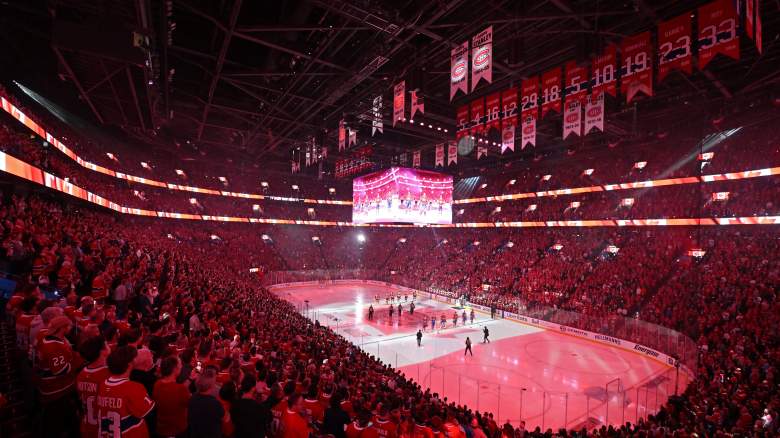
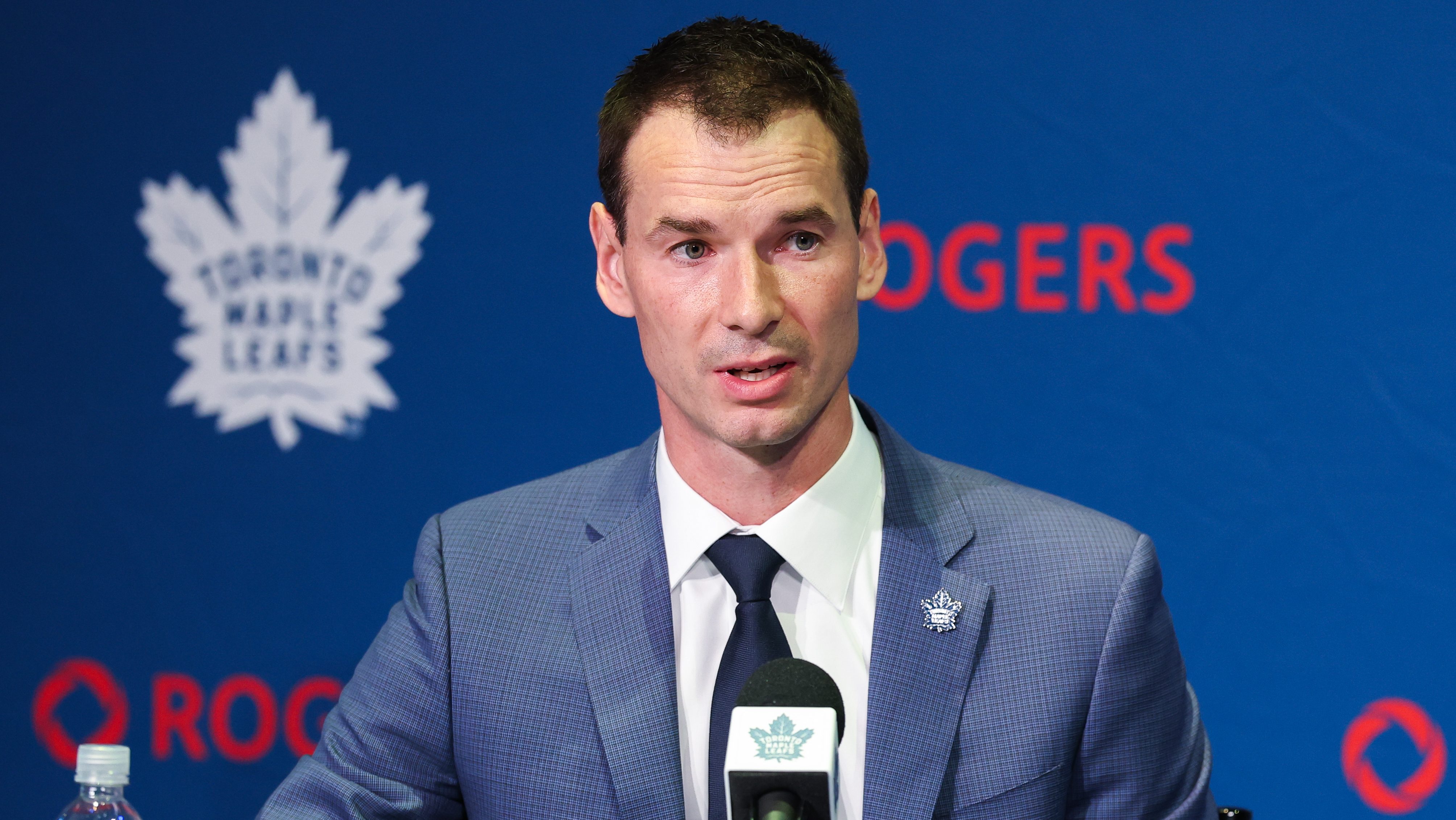
Key moves signaling this strategy include locking in 2024 first-round pick Ivan Demidov with an eight-year extension. This commitment signals confidence in the young forward’s continued development and a desire to anchor the lineup with homegrown talent. In net, the Canadiens reached a three-year agreement with goaltender Jakub Dobes, providing reliable stability between the pipes as the team builds around a steady defensive structure and a developing offense. Additionally, Kaapo Kahkonen was brought in on a short-term deal to deepen the crease options, offering experienced depth without a long-term financial commitment.
On the roster turnover front, Montreal has traded notable players to recalibrate its depth and cap flexibility. Brendan Gallagher was moved to the Vancouver Canucks, a trade that reshapes the leadership and scoring dynamic on the wings. Joshua Roy was sent to the Utah Mammoth in an unspecified strategic maneuver, and Joe Veleno departed in free agency to join the New York Rangers, a division rival with whom the Canadiens will need to contend in upcoming seasons. These moves indicate a willingness to realign the roster while maintaining a strong foundation from within the organization.
Looking ahead, there has been chatter about potential further activity that could involve players from other organizations. Specifically, there has been speculation about whether the Canadiens might pursue forward Bryan Rust or Rickard Rakell from the Pittsburgh Penguins. These two forwards were perennial names in trade discussions, given their scoring ability and veteran presence. The conversations suggest that adding another scoring option could help Montreal address gaps and provide more balance to the lineup, particularly in high-leverage situations late in games.
Rust, a veteran of Pittsburgh’s championship runs, remained productive for the Penguins in recent seasons. He posted solid offensive totals while contributing leadership and playoff experience. His contract carries a manageable cap hit, making him a plausible target for a team looking to add scoring without committing to a long-term financial burden. Rakell, similarly, has demonstrated the ability to contribute both goals and assists at a high level. His two-way game and postseason contributions add value for a contending team seeking to bolster its forward depth.
Any potential pursuit of either Rust or Rakell would require both teams to align on value and willingness to move a key piece within Pittsburgh’s roster. The Penguins have historically weighed trades carefully, balancing the desire for added assets with the need to remain competitive in the short term. While such a deal is not guaranteed, the possibility underscores Montreal’s intent to explore meaningful upgrades that fit their cap structure and competitive timeline.
From a broader perspective, Montreal’s strategy centers on maintaining a strong core while remaining flexible enough to pursue targeted upgrades. The combination of extending young talents, stabilizing goaltending, and selectively adding depth provides the Canadiens with a platform to compete more consistently in the near term. The organization appears intent on preserving the blueprint that enabled playoff appearances in recent seasons, while remaining open to strategic moves that could elevate the team in the standings.
Fans and analysts will be watching to see how the Canadiens balance development with acquisition. If the team does pursue a veteran scorer from Pittsburgh or elsewhere, the move would likely aim to enhance offensive punch without compromising the young core’s growth trajectory. In the end, Montreal’s approach reflects a measured commitment to retooling from within, complemented by selective trades or signings that can deliver immediate impact without derailing long-term objectives.
As the offseason unfolds, the Canadiens’ ability to integrate new depth players, maximize the potential of their developing prospects, and capitalize on any advantageous trade opportunities will determine how quickly they translate organizational stability into on-ice success. The path forward emphasizes a cohesive, well-structured lineup, with careful attention to cap management and player development, ensuring the team remains competitive as it hones its identity for the seasons ahead.