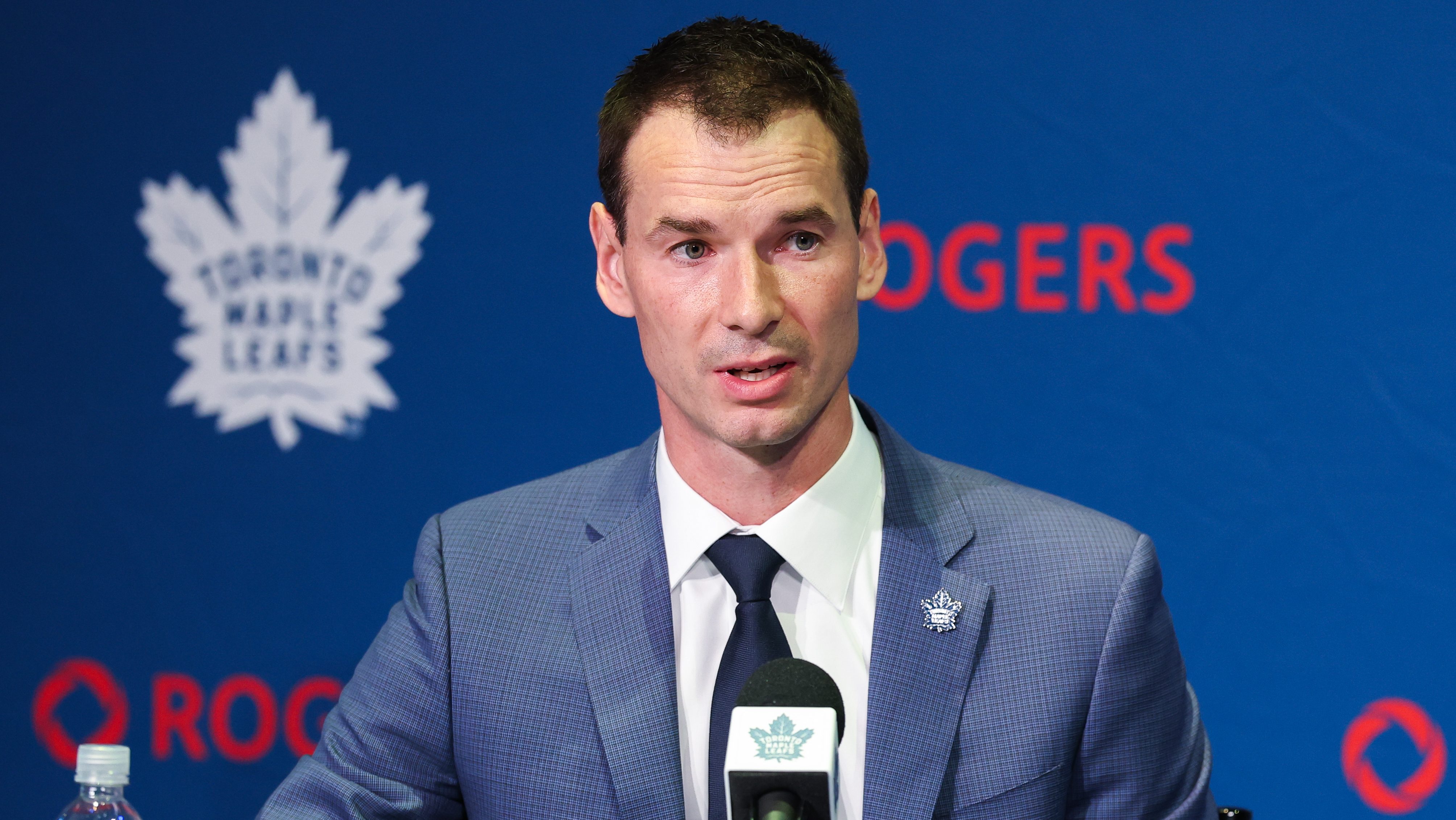
Berube described an approach that shifted away from his usual hard-nosed, accountability-driven style. He explained that, as the season started to spiral, he aimed to appease the players more than he normally would. If he could go back, he would not have pursued those adjustments or altered his tactics to satisfy the players’ requests. “We tried to change a few things… try to get players to play a little differently. I tried to appease them as much as I could, and if I had to do it all over again, I would never have done that,” he stated.
This admission has sparked renewed discussion about how much influence star players should wield over a coach’s plan and how closely a team’s method should align with its leadership’s philosophy. Berube’s willingness to deviate from his standard approach offers an intriguing lens on how the balance between player comfort and accountability can impact a team’s performance.
During Berube’s first season with Toronto, the Maple Leafs experienced success, winning the Atlantic Division and advancing beyond the first round of the playoffs. However, the following season proved detrimental to the club’s fortunes. Toronto found itself in the lower end of the standings, a downturn that contributed to changes in the organization’s leadership and coaching staff.
Berube’s comments point to a broader debate about whether a tougher, more structured system might have yielded a different outcome. If the coach had remained committed to his rigorous, accountability-focused framework, would the team have faced fewer obstacles? Might injuries and other challenges have been managed differently under a stricter regime?
The season’s trajectory revealed persistent problems from early on. Although there was a mid-season resurgence, injuries and other adverse events created ongoing obstacles. After the Olympic break, the team’s performance deteriorated further, and attitudes around turning things around appeared lacking. These factors culminated in Berube’s departure as the organization reassessed its direction.
As the team looks ahead, questions linger about whether Berube should have remained at the helm and whether a different coaching approach could have produced a more favorable outcome. With a younger core and a rebuilding vibe surrounding the franchise, there is ongoing speculation about how the management will shape the roster and strategy in the coming season.
Looking forward, the Maple Leafs face the challenge of translating potential into consistent results. Building on a foundation that includes a rising talent pool and a roster with high expectations will require clear leadership, accountability, and a system that can withstand the pressures of a demanding schedule. The organization will need to balance player development with competitive ambitions to restore stability and drive a successful campaign.
In the broader context, Berube’s reflections emphasize the delicate dynamics between coaching philosophy and player expectations. The impact of a coach’s discipline, the degree of adaptability allowed to players, and the resilience of a team culture all play critical roles in how a season unfolds. As the Maple Leafs prepare for the next chapter, these insights contribute to the ongoing conversation about optimal coaching strategies and team management in professional hockey.