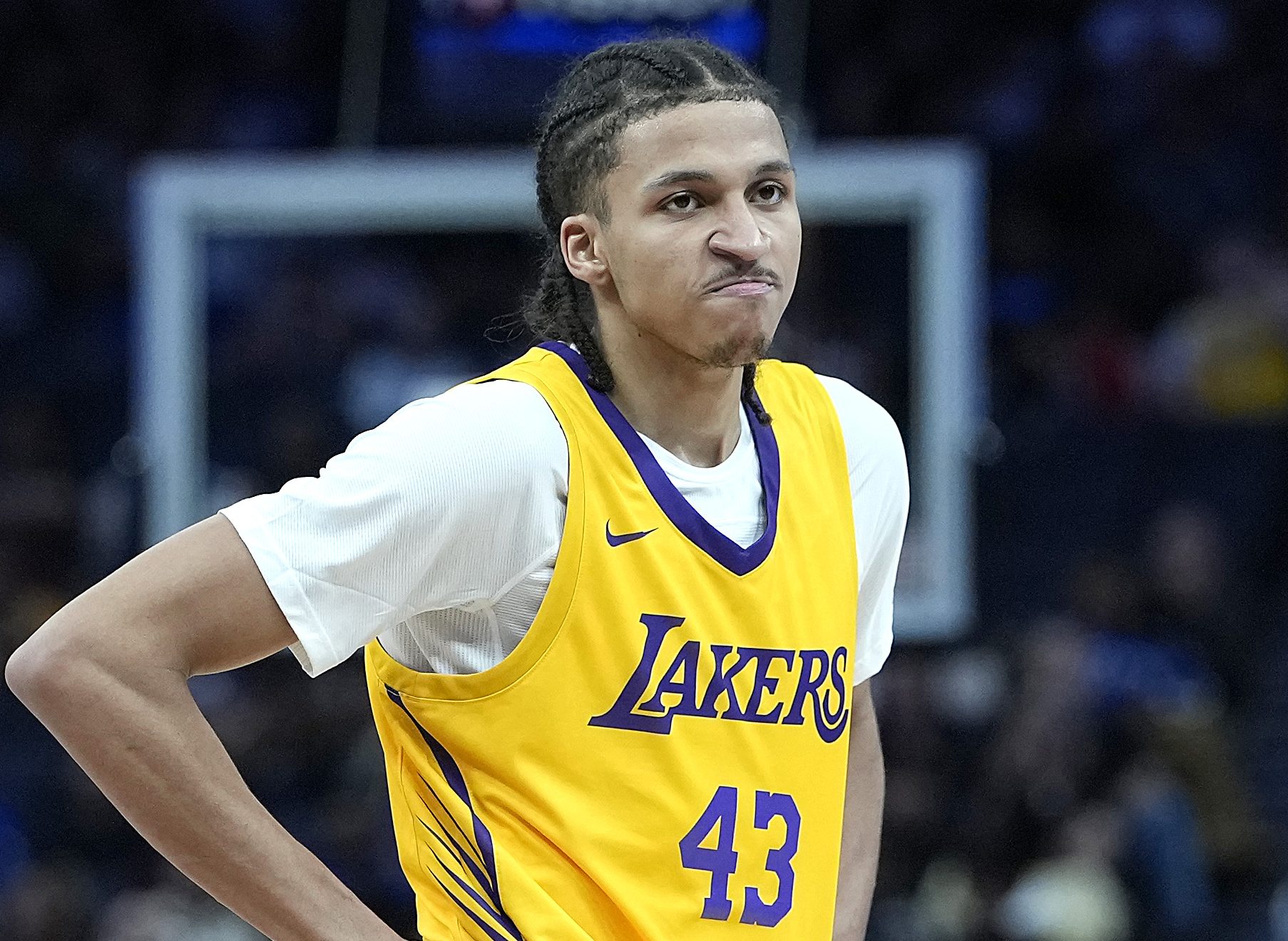
According to recent reporting, the Lakers were eyeing a package that would include their lone tradeable first-round pick swap from 2032 along with Jarred Vanderbilt in a sign-and-trade for Kuminga. However, sources indicate Atlanta has not shown willingness to take back Vanderbilt as part of a Kuminga deal, complicating the framework the Lakers preferred.
This development adds a new wrinkle to ongoing negotiations that have remained active through the offseason. The sign-and-trade path remains appealing for Kuminga because it would allow him to secure a richer contract than what the Lakers can offer through standard cap space right now.
Why a sign-and-trade matters for both sides: the Lakers face cap constraints that limit their ability to sign Kuminga outright to the contract both teams envision. A sign-and-trade, in contrast, can provide Kuminga with greater guaranteed money and a longer-term deal, while enabling the Lakers to optimize their roster construction and future flexibility.
Possible paths forward have been discussed publicly. One proposed route involves the Lakers’ 2032 first-round pick swap and Vanderbilt. But Atlanta’s stance complicates that plan, as the Hawks have shown little interest in absorbing Vanderbilt’s contract. This has led to a broader reevaluation of the deal among both teams’ front offices, with Lakers president of basketball operations Rob Pelinka searching for alternative avenues to close a deal.
Three-team scenarios have been floated as a potential fix. In these arrangements, Vanderbilt could be moved to a different team, allowing the Lakers to enhance their offer to Kuminga without running into Atlanta’s opposition to taking back Vanderbilt. Such an arrangement could enable a richer KPI for Kuminga than the two-year, roughly $20 million figure previously discussed.
Dialogue between Kuminga, his representatives, and the Lakers has continued, indicating mutual interest in a potential fit alongside star players, even as negotiations grow more intricate. If Kuminga changes teams this offseason, a sign-and-trade appears to be the likeliest route rather than a straight cap-space signing.
The Lakers’ persistence is rooted in their current financial and roster constraints. After a significant 2023-24 roster overhaul, the team entered the offseason with a substantial amount of cap space and then moved to restructure via trades and signings. They have since narrowed their financial flexibility, with a single open roster spot remaining and limited cap room to negotiate a premium deal with Kuminga without a trade framework.
In short, the key hurdle is Atlanta’s reluctance to absorb Vanderbilt in the proposed framework. The Lakers are exploring multi-team possibilities that would remove Vanderbilt from the equation while increasing Kuminga’s potential offer. If a resolution emerges, it is expected to come through a sign-and-trade arrangement rather than a straightforward cap-space signing.
– Kuminga remains a notable target for the Lakers, with ongoing discussions about his potential role and fit, particularly alongside other star-caliber players.
– The negotiation dynamics hinge on balancing value for Atlanta with a financially viable contract for Kuminga and the Lakers’ remaining cap structure.
– If a deal materializes, it is likely to involve a sign-and-trade rather than an outright sign due to current cap considerations.