A revamped front and new helpers in the secondary
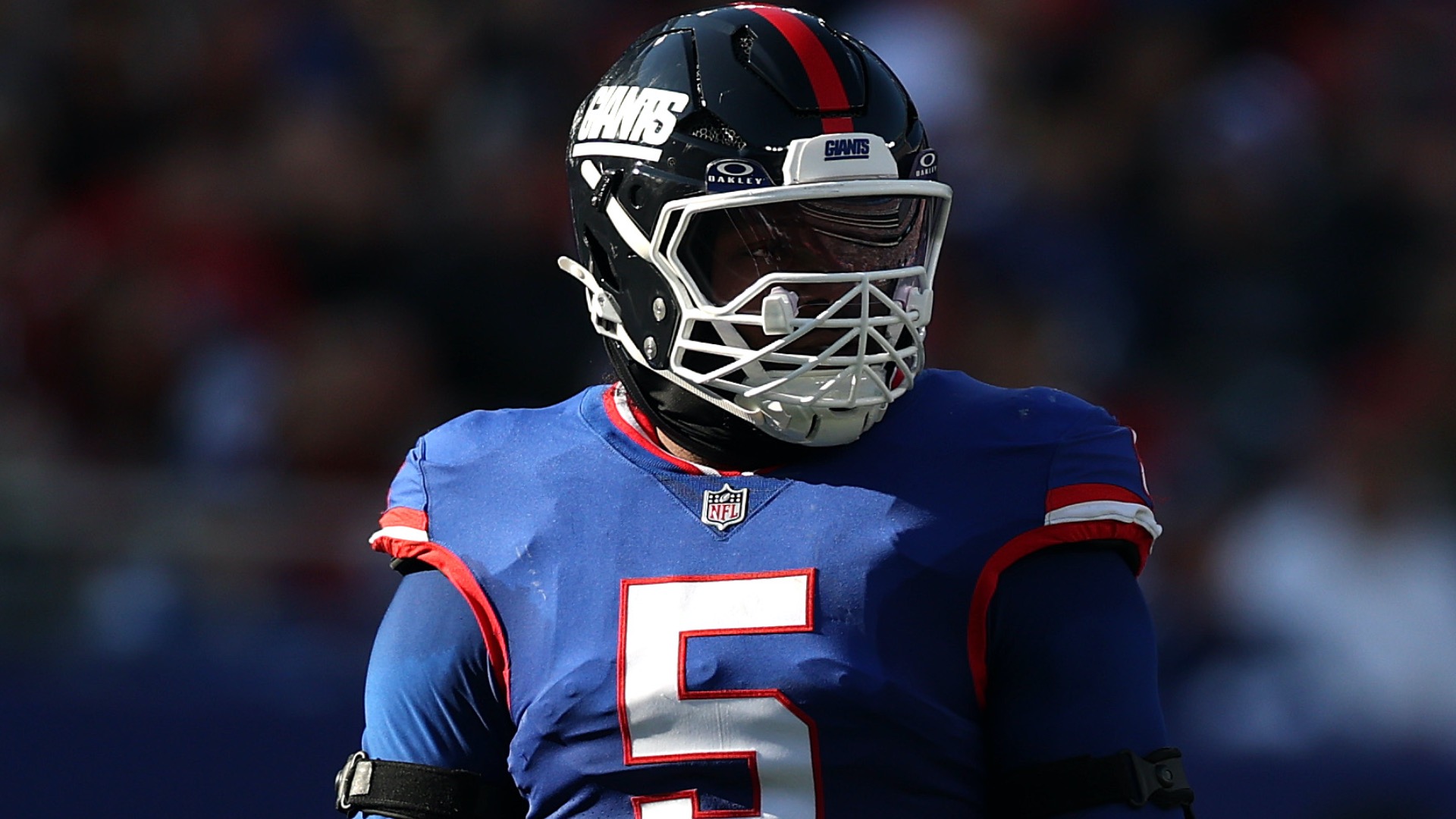
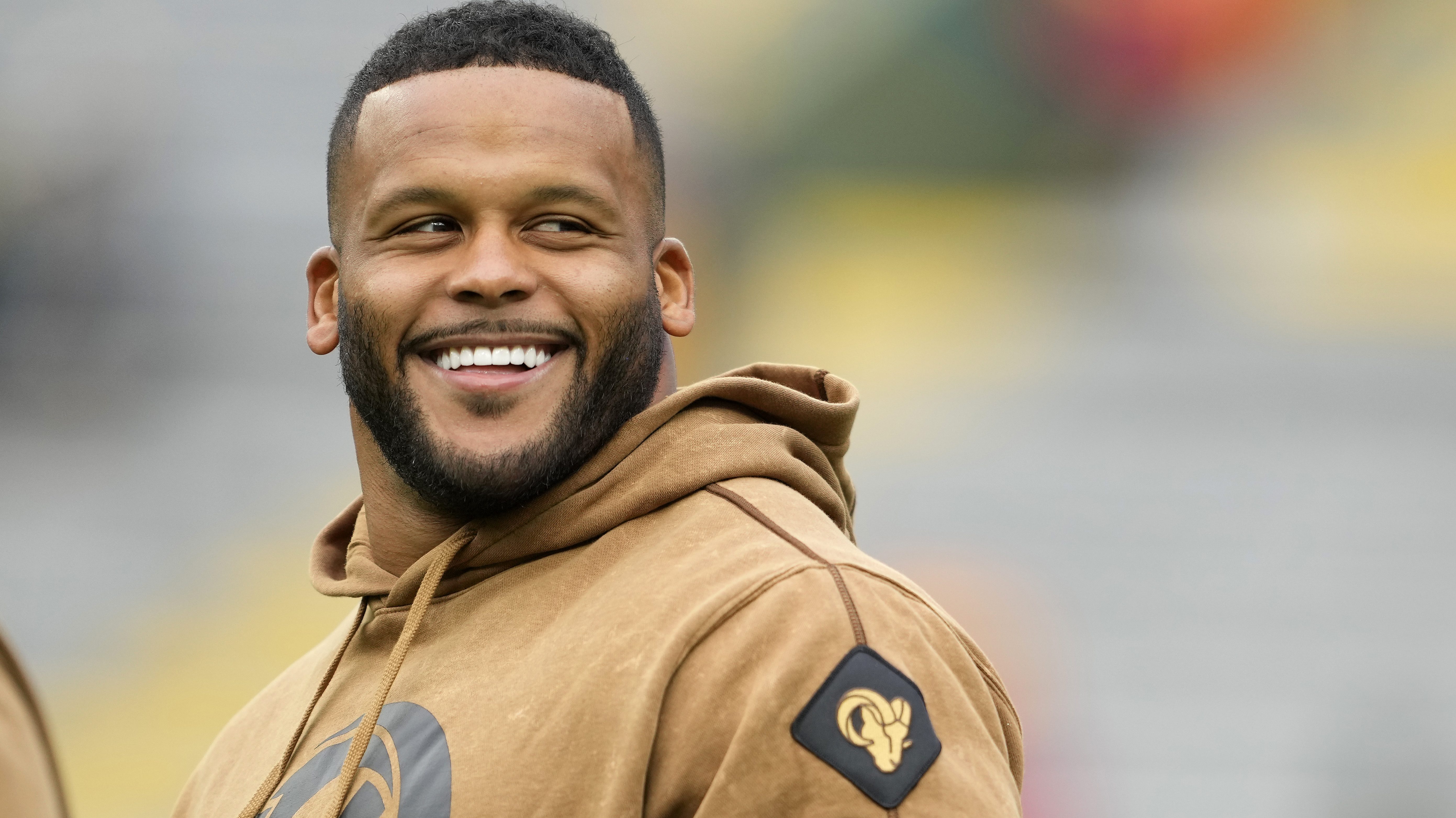
The club pivoted aggressively up front, adding Dexter Lawrence to anchor the interior and signing Jonathan Allen to bolster the mix. They also added Boye Mafe, a proven edge presence, following Trey Hendrickson’s departure to Baltimore. These acquisitions are designed to reduce the burden on emerging players and create more favorable matchups across the line.
With more veteran help up front and behind them, second-year players Shemar Stewart and Demetrius Knight Jr. have a clearer path to development. The defense as a whole, which finished the previous season near the bottom in expected points added per play, now has more avenues to improve and less need to rely on unproven rookies to carry a heavy load.
Stewart: more help, higher expectations
Stewart entered the NFL with elite size and athleticism, expected to become a disruptive force along the edge. However, his rookie season was hampered by knee and ankle injuries, limiting him to around 280 defensive snaps. The performance metrics reflected the rough start: a low overall grade for his position group and subpar run defense, with pass-rush effectiveness also lagging behind most peers who logged a similar workload.
The added presence of Mafe should relieve some of Stewart’s early-career pressure. Mafe comes with a track record of producing pressure and hurries, and his arrival provides Cincinnati with a credible complement on the edge. Still, Stewart is not a luxury piece; a first-round edge rusher is expected to contribute across run defense, pass rush, and the ability to stay on the field during critical downs. Rotational opportunities may exist to allow Stewart to develop at a sustainable pace, but another year near the bottom for his position would raise broader questions about his long-term fit and timeline.
Knight Jr.: a clearer test in a more supportive environment
Knight saw more field time as a rookie, yet the results were not encouraging. His overall grade reflected struggles in both run defense and pass coverage, and he missed a notable portion of tackle attempts. The Bengals addressed nearly every other level of the defense, leaving the linebacker corps as the still-observed area where Knight would be tested alongside the improved surrounding cast.
With Lawrence and Allen occupying interior blockers, and the secondary fortified by veterans, Knight should benefit from clearer gaps and reduced congestion at the point of attack. A stronger defensive line can help him play faster by limiting the amount of traffic he has to navigate, while better coverage support behind him may alleviate some of the pressure in space. If Knight can tighten up fundamentals and adapt to the faster pace, he could become a more reliable presence in the middle.
What this means for the defense’s rebuild
Cincinnati’s offseason moves present a pragmatic approach: inject experience and stability around promising young players, while giving those players room to grow without bearing the entire burden. If Stewart develops into a capable edge defender and Knight settles into the role of a dependable starting linebacker, the changes could yield rapid, tangible improvements for a defense that previously struggled to influence games.
However, if both players fail to progress and remain among the lower tiers at their respective positions, the new acquisitions may simply amount to reshuffling a problem rather than solving it. The Bengals have constructed a more complete unit around the youngsters, but the ultimate success will hinge on the two young defenders showing substantial growth and consistency in high-leverage situations.
The path back to playoffs and competitive depth depends on internal development as much as external help. With the interior pressure supported by Lawrence and Allen, plus a revitalized pass rush with Mafe, Cincinnati is placing substantial bets on internal growth. If Stewart can translate potential into production and Knight can become a trustworthy contributor, the defense could pivot from a weakness to a strength sooner than expected.
Bottom line
The Bengals have prioritized experience around two young defenders, setting a clearer stage for their growth. The success of Stewart and Knight Jr. now hinges on how quickly they adapt to the improved environment and how effectively they translate opportunities into consistent, game-changing plays. With the new pieces in place, their development is not only about personal statistics but about the defense’s overall ability to influence games and propel the team back toward deep playoff contention.