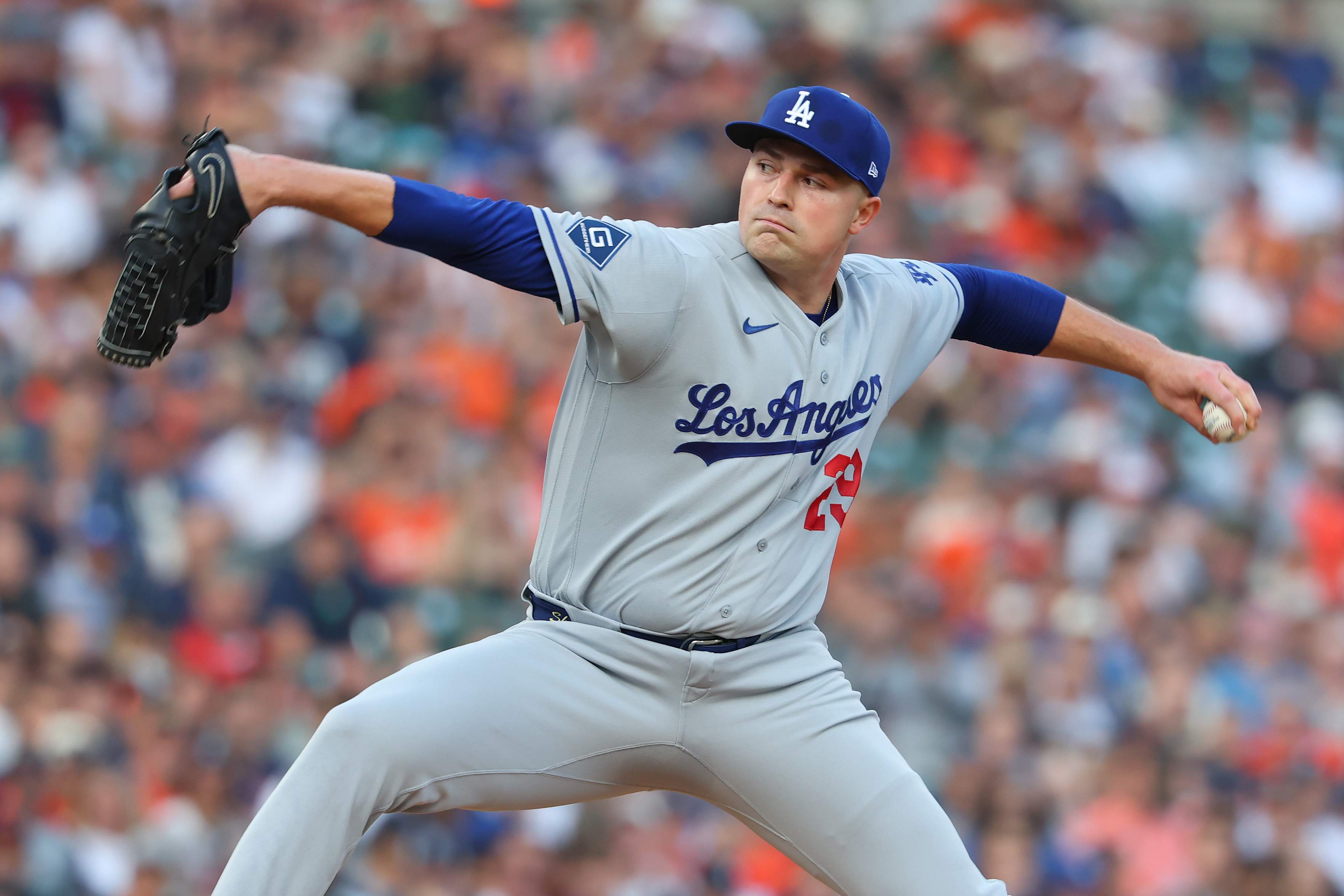
Sonny Gray has been delivering standout results in the first half of the season. Through July, he owns a 2.61 ERA, a 10-1 win-loss record, 81 strikeouts, and a WHIP of 1.10. Those numbers place him among the more reliable and accomplished starters in the majors, especially given Gray’s track record of success over a lengthy career. His effectiveness and durability would be attractive to any team looking for a high-floor, high-ceiling innings eater who can anchor a rotation in October.
Several reporting outlets have indicated that Atlanta is among the clubs monitoring Gray’s availability. The Braves could view Gray as a fit to strengthen the front end of their rotation, particularly if they are balancing aging or uncertain arms with a more proven option who has postseason experience. The cost, however, will be a critical factor in whether a deal can be consummated. Gray is under a three-year, $75 million contract that includes team control beyond the current season, which adds strategic value for a team seeking both immediate impact and some payroll predictability in the coming seasons.
If a trade were to happen, a hypothetical package would need to reflect Gray’s value and the Red Sox’s desire to maximize long-term assets. Possible components could include a mix of young talent and MLB-ready pieces, including:
– A controllable infield bat or middle-infield prospect with upside
– A pitching prospect who has already demonstrated advanced development
– An up-and-coming minor-league arm who could grow into a key piece for Boston down the line
Any proposed package would likely be evaluated through the lens of immediate upside versus long-term potential, along with fit within the Red Sox’ organizational plans. For Atlanta, luring Gray would require offering a compelling combination of MLB contributors and top prospects to persuade Boston that the return will help them sustain competitiveness while restocking for the future.
Beyond the exact trade calculus, the broader question remains: would Boston be open to parting with Gray given his performance and the timing of the season? While his production makes him one of the most attractive arms on the market, the Red Sox would weigh the impact of such a move against their current momentum and long-term strategy. If Gray continues to pitch at a high level, teams across the league will remain in the mix, and the Braves would need to present a package that stands out amid other suitors.
For Braves fans and followers of MLB trade deadlines, the Gray scenario is just one example of how the market could evolve in the coming weeks. Other teams are evaluating their options as well, which means the rotation market could shake out in several different directions. While excitement builds around potential acquisitions, teams must balance short-term performance with future flexibility, ensuring that any move supports a sustained competitive window.
As the trade season progresses, keep an eye on how Gray’s status evolves and how the Braves’ discussions translate into concrete negotiations. The landscape of the 2026 deadline is likely to shift rapidly as front offices weigh risk, reward, and the long-term implications of any deal.
Note: This piece focuses on the current dynamics surrounding Sonny Gray and the Atlanta Braves’ rotation considerations, reflecting publicly reported information and typical trade-deadline market behavior without referencing external sources or promotional material.