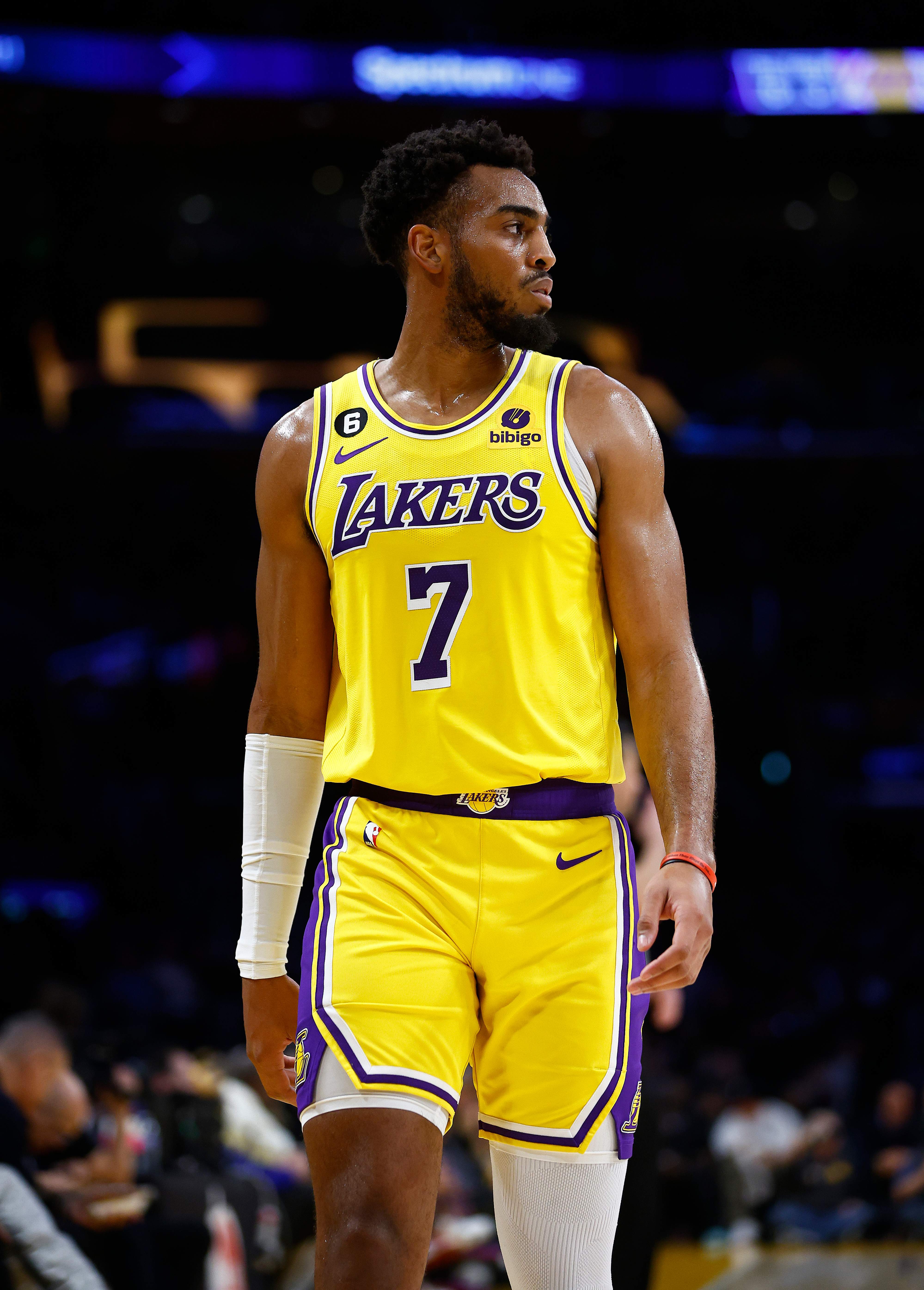
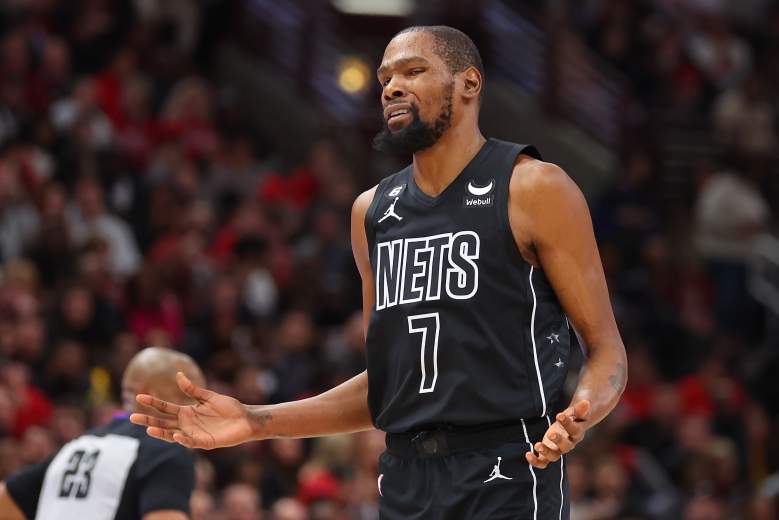
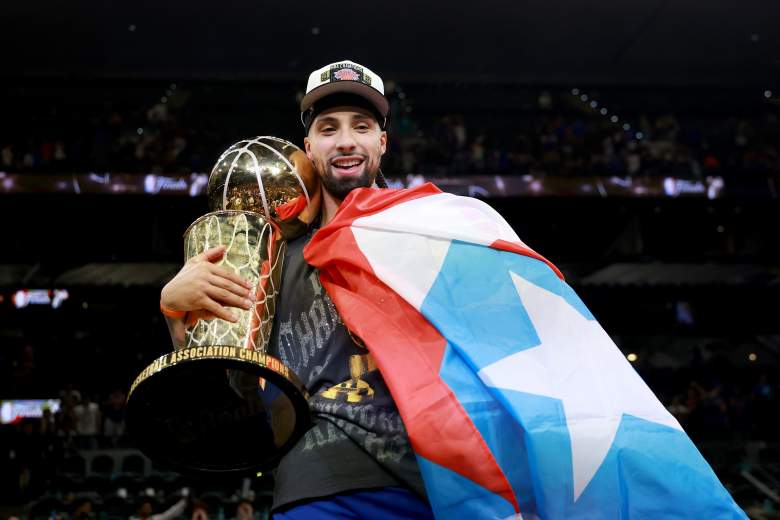
Sources close to the situation indicated that concerns about Brown’s long-term contract trajectory played a pivotal role in the decision. Front office discussions suggested that the Celtics anticipated Brown would seek a substantial extension this offseason. There was a worry that granting Brown a new deal could complicate future roster construction and cap flexibility, and that the player’s value could plateau or decline relative to the price of a contract commitment. By trading Brown, Boston positions itself to maintain flexibility and pursue moves that could keep the team competitive without locking in an expensive, potentially unmovable asset.
The trade package centers on Paul George, a proven scorer and two-way playmaker who remains a high-level contributor when healthy. The deal also includes two future first-round picks and two second-round picks, assets that offer the Celtics flexibility to maneuver under the salary cap and to pursue additional talent in the future. Executives and analysts alike noted that George’s contract could be more palatable moving forward if he can deliver another productive season, potentially making him more tradable should the team need to adjust its cap situation down the line. The ownership group’s priority appears to be maintaining cost control while staying competitive, particularly after past efforts to optimize the roster against luxury-tax thresholds.
Brad Stevens, the Celtics’ president of basketball operations, has long been recognized for his roster-building acumen. In this case, he elected to part with Brown rather than risk constraining the payroll with two players occupying a substantial share of the cap near 70 percent. The organization faced the reality that too much money tied up in a limited number of players can impede depth and future flexibility. By moving Brown, the Celtics are betting on a mix of health, development, and strategic acquisitions to maintain an upward trajectory.
From a competitive standpoint, the move raises questions about Boston’s standing in the Eastern Conference. The 76ers have augmented their roster with Brown, adding a versatile wing who can contribute on both ends of the floor and bring a different dimension to Philadelphia’s lineup. For Boston, the challenge is to redefine its identity and maximize the impact of the players who remain, including veterans and younger talents who will be asked to step up in more prominent roles.
In the short term, Boston will rely on Paul George to deliver consistent scoring, leadership, and defensive presence. George’s ability to contribute at a high level when healthy could help the Celtics maintain a playoff-caliber standard while the team integrates new pieces and adjusts to the absence of Brown’s on-court leadership and dynamic playmaking. However, the health history of several key players remains a focal point for fans and analysts alike. The Celtics will need a more durable supporting cast and improved perimeter shooting to sustain success, particularly in the postseason where spacing and shot creation become critical.
Derrick White’s role becomes even more pivotal in this revised framework. As a veteran with postseason experience, White is expected to elevate his performance and provide reliable offense, playmaking, and defense. His shooting and decision-making will be under scrutiny as Boston seeks to maintain spacing and flow without Brown’s creation ability. The expectation is that White will take on a larger share of the playmaking responsibilities and help stabilize lineups through playoff-type rotations and strategic adjustments.
Looking ahead, the Celtics’ offseason moves, or lack thereof, will shape whether this trade accelerates a rebuild timeline or preserves a contendership window. The front office’s approach signals a cautious but proactive strategy: improve the team’s flexibility, manage long-term costs, and rely on development from younger players and new acquisitions to fill potential gaps. If the supporting cast steps up and George remains productive, Boston could still position itself as a formidable challenger in the East. If not, the move could be viewed as a significant risk that might shorten the franchise’s championship window.
Fans will also be watching how the new roster integrates, including the chemistry between George, White, and the other returning veterans. Team culture, leadership, and in-game adjustments will all play crucial roles as the Celtics navigate the season. Injuries, too, will be a major variable; with several players carrying injury histories, durability will influence how effectively the team can implement its game plans and sustain competitiveness across a demanding schedule.
Ultimately, the trade reflects a broader strategic pivot: prioritizing future flexibility and cost control while staying competitive through selective acquisitions and offseason adjustments. Whether this approach pays off will depend on how well the Celtics develop younger talents, how effectively Paul George adapts to his role within the team, and how robust the supporting cast proves to be when the season unfolds. As with any major roster move, time will tell if Boston has secured a sustainable path to success or if the decision marks the beginning of a new chapter that requires patience from fans and stakeholders alike.