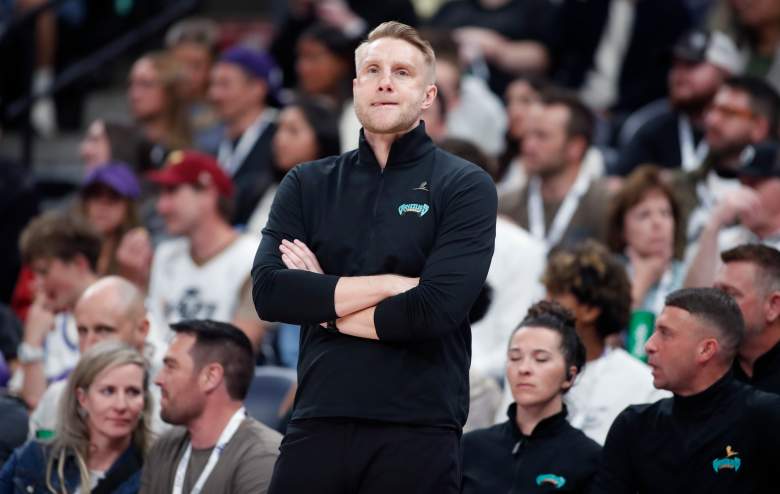
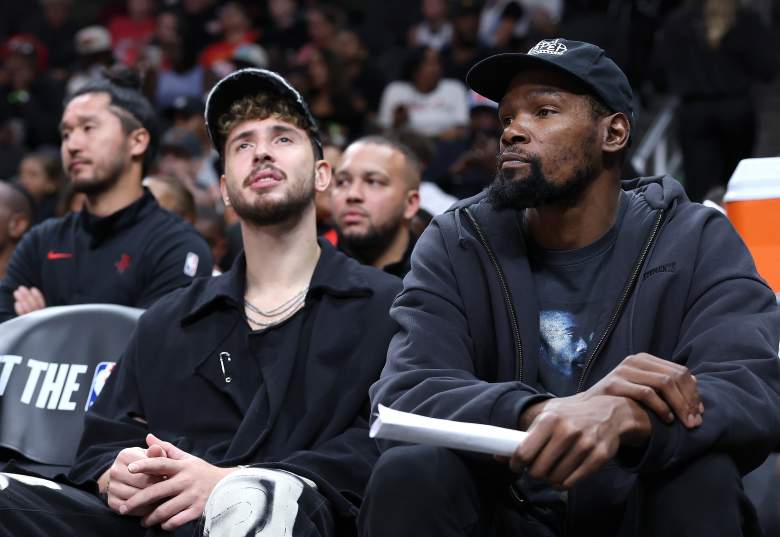
From the Lakers’ perspective, the key question is whether they are comfortable surrendering their final tradable first-round asset until 2028. The 2032 first-round pick swap is not a typical draft asset for Los Angeles; it represents their last remaining first-round lever in the near term, a precious currency after aggressive roster reshaping around a core that includes Luka Dončić. This context helps explain the hesitation to part with the swap in a deal for Kuminga.
Atlanta’s side has reportedly shown a willingness to pursue a sign-and-trade involving Kuminga, with the framework centering on Vanderbilt plus the 2032 swap. Additionally, Atlanta may have up to three second-round picks available as secondary levers. The Lakers, however, appear to prefer leveraging those lesser assets rather than sacrificing their final first-round option.
Despite the negotiation dynamics, Kuminga’s fit remains appealing to the Lakers. He is a 23-year-old forward with athleticism, defensive versatility, and room to grow alongside Dončić. The Lakers have already shown they value him as more than a minimum-salary addition, with discussions suggesting a willingness to invest in a multi-year commitment if the right terms exist.
Contract considerations add complexity. A sign-and-trade would likely require Kuminga’s deal to cover three or four seasons (excluding option years), with the first season guaranteed. That could push the annual figure toward the neighborhood of roughly $24 million, which may be higher than what Atlanta initially declined before Kuminga entered restricted free agency. Such salary considerations play a significant role in the feasibility of any trade proposal.
In terms of Kuminga’s production, he averaged 12.2 points, 5.6 rebounds, and 2.3 assists on 46.3% shooting and 33.3% from three in 36 games with Atlanta last season, plus modest playoff numbers. The performance is solid, but questions remain about whether Kuminga has established himself as a steady full-time contributor at a high-impact level, given his previous stops with Atlanta and Golden State.
Vanderbilt remains the Lakers’ most logical salary-matching piece if a deal progresses. He is under contract for two more seasons with a $12.4 million salary this season and a $13.3 million player option for 2027-28. The Lakers have indicated a willingness to move Vanderbilt, among other players, to create roster flexibility — but the exact pieces they would attach to him and whether they would include the 2032 swap are still open questions.
Ultimately, Kuminga’s appeal endures for the Lakers: a young, athletic forward who can contribute defensively and grow alongside the core. The willingness to trade Kuminga will likely depend on whether the Lakers can structure a deal that preserves their long-term draft capital while still delivering the player and fit they desire. For now, the discussions underscore a careful balance between pursuing a compelling upgrade and preserving premium assets for future moves.