The Maple Leafs have faced a challenging season recently, missing the playoffs for the first time in a decade and marking the first such result in Matthews’ tenure. In response, the organization has undertaken a substantial roster overhaul under its new leadership, including a prominent restructuring of hockey operations. The changes signal a clear intent to raise the team’s performance level and playoff reliability.
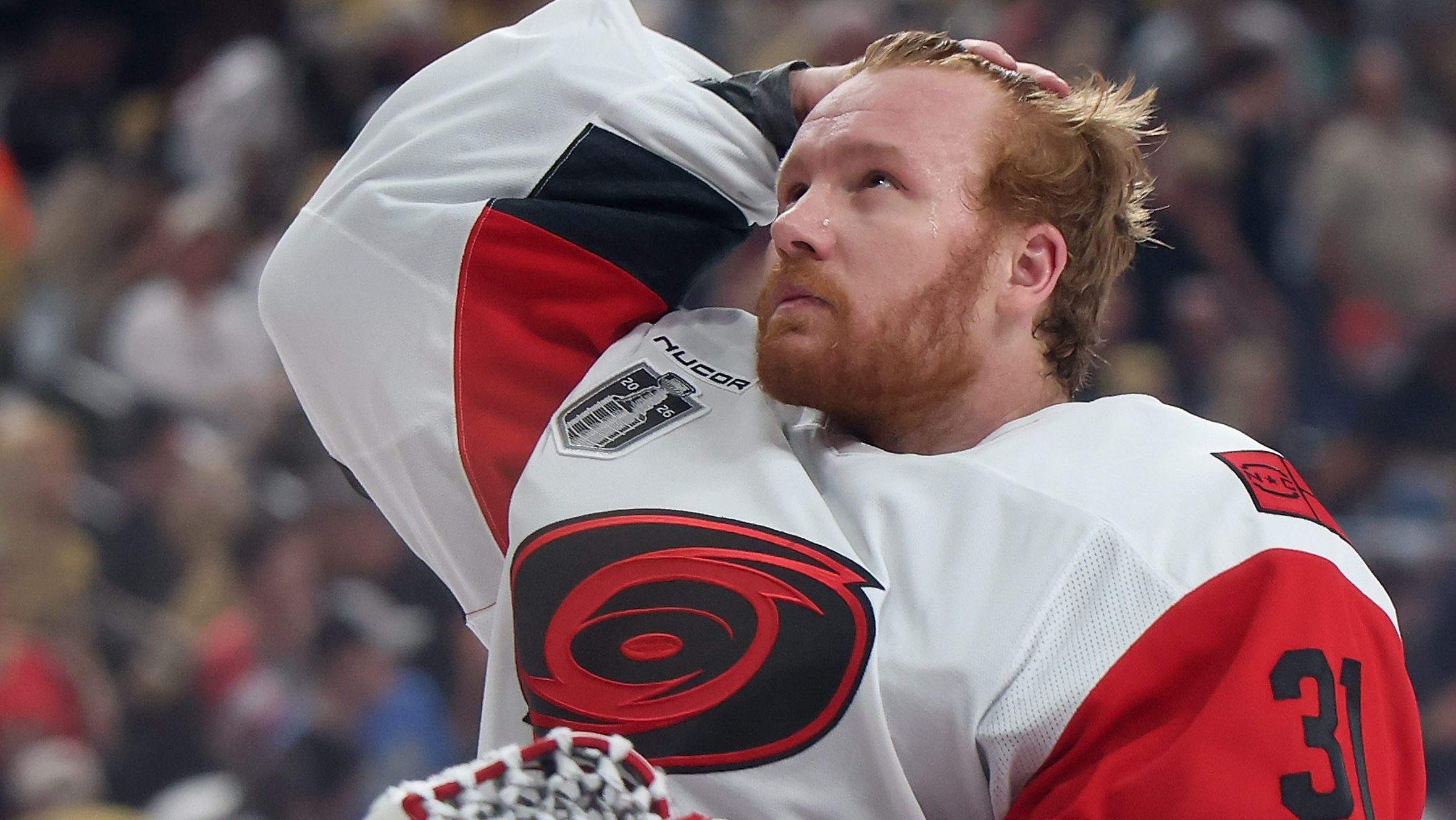
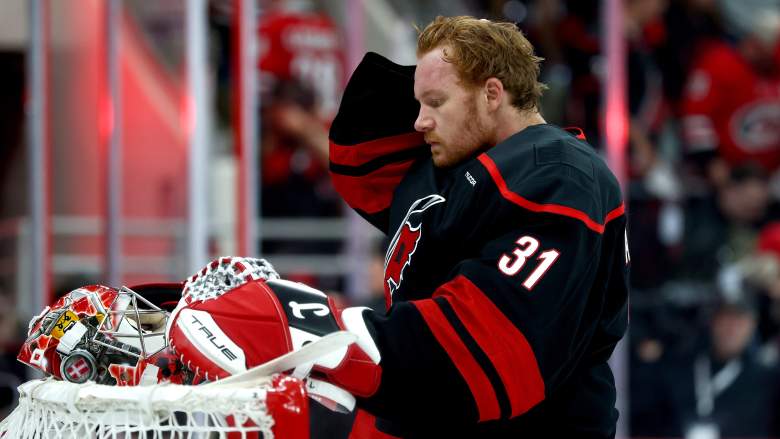
Among the bold moves, Toronto added proven championship experience to reinforce a porous defense and goaltending consistency. The club also executed a significant signing and trade for a rising defensive and power-play contributor, accompanied by a lengthy contract to secure his services. In addition, the franchise selected a highly touted offensive prospect with the top pick in the draft, signaling a long-term plan to diversify and elevate scoring depth beyond Matthews’ brilliance.
Amid these developments, some pundits have raised questions about Matthews’ long-term fit under the current trajectory if the on-ice results do not improve. The central concern centers on his contract, which runs through 2028. The argument presented is that if the Maple Leafs fail to show meaningful progress over the next season or two, Matthews could contemplate the possibility of a trade as a means to maximize his competitive window elsewhere. While there is no current indication from Matthews or his camp that he intends to seek a move, the speculation centers on the near-term pressure points: team performance, organizational direction, and the timing of his impending free-agent or extension discussions.
Analysts who discuss this topic often reference the timing of a potential trade request as early as the 2026-27 season. The logic is that if Toronto experiences another downturn or stalls in its rebuilding process, Matthews might decide that staying with a team in flux would not be optimal for contending for championships for the remainder of his prime. A hypothetical trade during the 2027 trade deadline could be a possibility, given that his contract would still provide considerable value to a trade partner and could align with Toronto’s own cap considerations and rebuild timeline.
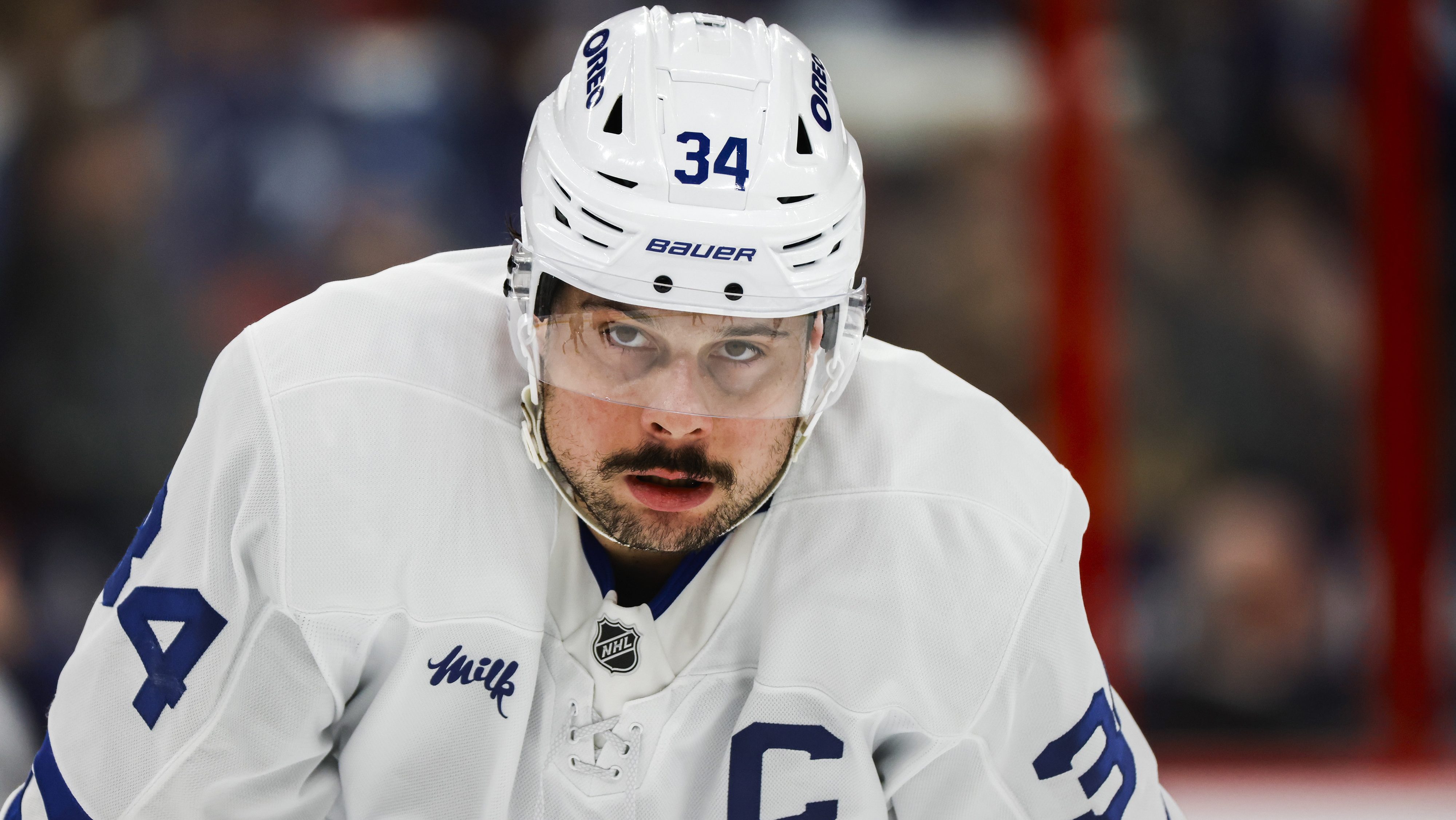
Matthews, who has worn the captaincy with distinction, is not only the face of the franchise but also widely regarded as the best pure goal-scorer in Leafs history. He has already set franchise records for most goals in a single season and, at 28, stands as the all-time leading goal-scorer for the organization. Despite these individual achievements, Maple Leafs teams led by Matthews have struggled to secure sustained playoff success. The franchise did break a 19-year playoff drought by defeating a strong opponent in the 2023 playoffs, but overall playoff series wins under Matthews have been limited.
The looming question is whether Matthews’ era in Toronto should continue as is, or whether the team should pivot toward an approach designed to maximize long-term competitiveness, even if it involves difficult choices about roster construction and leadership. The coming seasons present a critical crossroads: can the Maple Leafs build a well-rounded, durable team capable of deep playoff runs while keeping Matthews as a central, high-impact pillar? Or could the franchise reassess its approach and explore different configurations that might better align with Matthews’ championship aspirations?
On the ice, Matthews’ production has shown fluctuations in recent seasons. After a remarkable previous campaign in which he led the league in goals, his goal totals declined over the following seasons. A season-ending injury toward the latter part of one year also contributed to the downward trend, and a dip in goal production has continued. While metrics can be influenced by a variety of factors—team depth, line combinations, injury recovery, and opponent strategies—the trend has driven discussion about whether adjustments to the supporting cast and system could rekindle his scoring peak.
In evaluating a potential future scenario, it’s important to recognize the broader context: the Maple Leafs’ aim to return to and surpass playoff performance levels. The franchise has prioritized roster moves designed to strengthen defense, improve goaltending, and inject depth in scoring to complement Matthews’ abilities. The organization’s direction suggests a multi-faceted plan to become more competitive by combining elite talent with strategic support players, veteran leadership, and developmental prospects.
For Matthews, the practical questions revolve around balance and timing. How will the team reconcile a potential rebuild with the need to keep a peak performer motivated and engaged? If the Leafs can demonstrate clear progress and a credible path to contending for the Stanley Cup, Matthews may view Toronto as a long-term home. Conversely, if the team stalls again, the possibility of exploring trades or reconfiguring the core to optimize competitive windows could re-emerge as a topic of discussion among fans, media, and executives.
As the 2026-27 season approaches, parties involved will closely monitor both on-ice performance and contract negotiations. The Maple Leafs’ ability to translate their roster moves into tangible results will be the key determinant of Matthews’ future with the club. The conversation around potential trades should not be viewed as an inevitability, but rather as a reflection of the high-stakes environment in which elite players and ambitious franchises operate. The ultimate question remains: can Toronto reestablish itself as a perennial Stanley Cup contender while maintaining Matthews as its cornerstone, or will strategic realignments steer the franchise in a new direction?
Fans and analysts alike will be watching how the Maple Leafs navigate these pivotal years. The decisions made in the near term will shape Matthews’ legacy in Toronto and influence the club’s long-term trajectory. The period ahead promises to be defining for both the organization and one of the NHL’s most celebrated players.