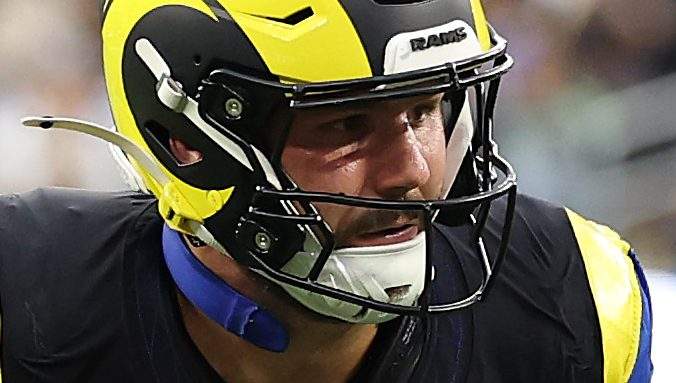
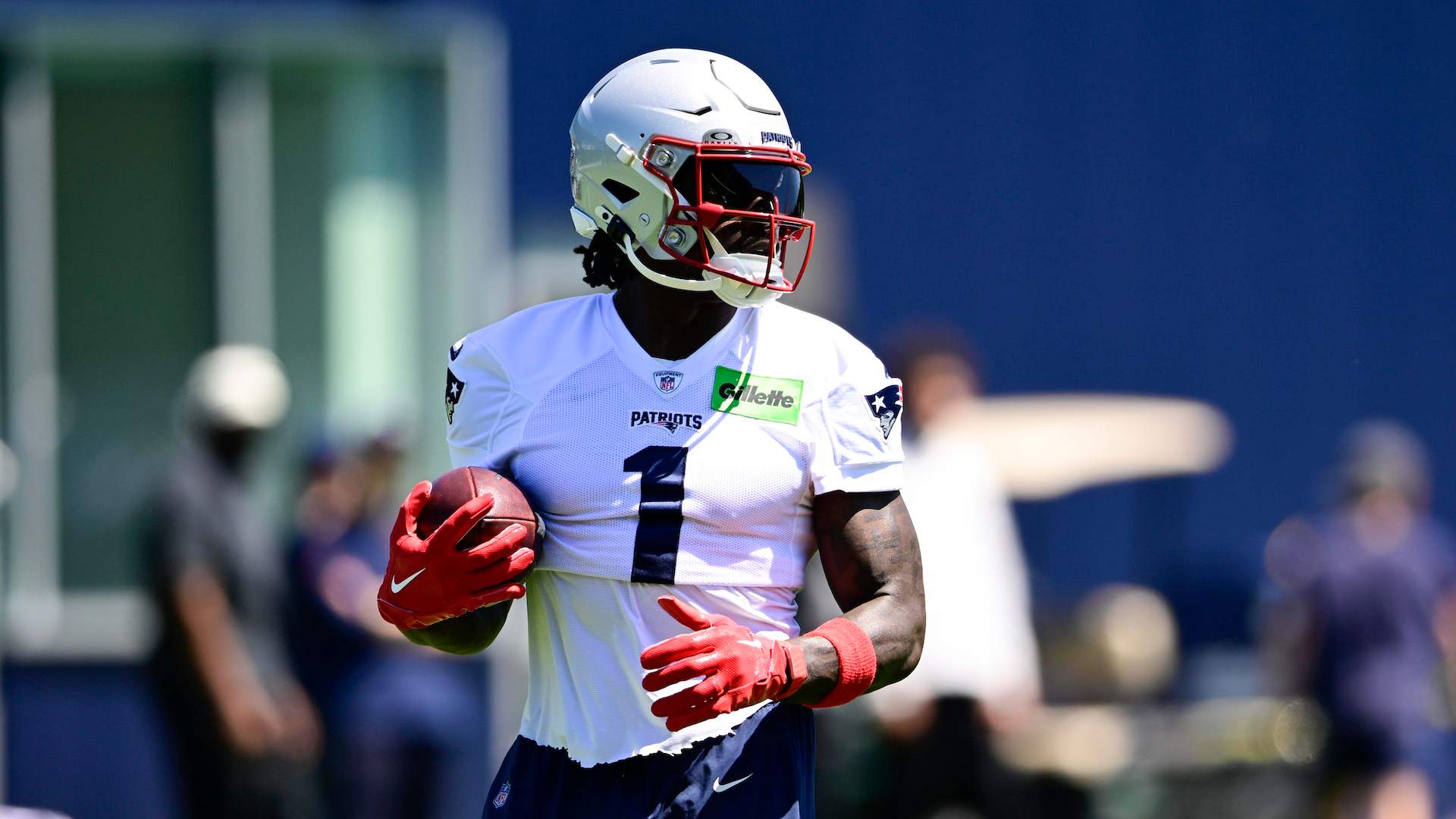
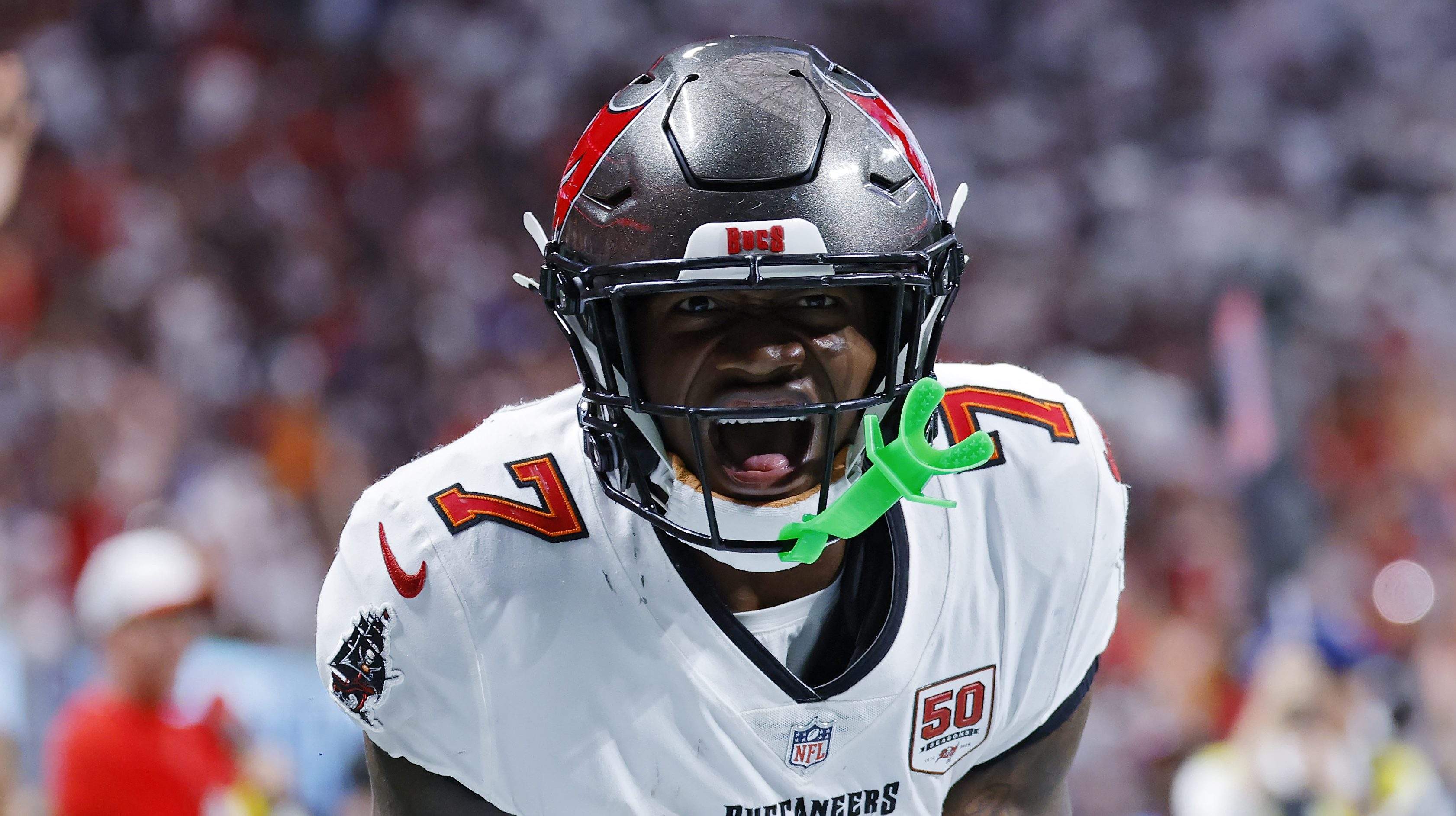
Across the dataset examined, Kamara ranked second in terms of value-for-production gaps. The analysis scored him 87 out of 100 for being overpaid relative to his production. The only player ahead of him in that metric was Dan Moore of the Tennessee Titans, with several other notable players—Grady Jarrett of the Chicago Bears and Boye Mafe of the Cincinnati Bengals—also appearing high on the list. The core idea behind the study was to compare a player’s cap hit to their overall production, using Approximate Value (AV) as calculated by Pro Football Reference. By dividing AV by the cap hit, the researchers produced a measure of cost efficiency: the higher the ratio, the less efficiently a player translated salary into on-field value.
The Saints’ ranking in the study reflects Kamara’s situation: a high cap hit paired with lower-than-expected scoring and playing-time figures. The assessment highlighted Kamara’s season as challenging, noting that he recorded only one touchdown and played in 11 games—a stark contrast to the extraordinary production many players in his role have historically delivered. The conclusion drawn by the analysis was that Kamara’s cost per AV was about $2.6 million, a figure consistent with the perception around his role and performance during a down year.
At present, Kamara remains under contract with New Orleans. The future, however, could bring changes, especially if performance trends don’t rebound or if the Saints pursue different strategic paths in the backfield.
Could the Saints move on from Kamara? There are some signals that point in that direction. In the offseason, the Saints added a prominent back to their depth chart: Travis Etienne Jr. The addition is notable because Etienne produced solid numbers for Jacksonville last season, rushing for 1,107 yards and seven touchdowns, and also contributing 36 receptions. This combination of rushing and receiving ability aligns with the versatility the Saints have valued at the position in recent years. Etienne’s arrival suggests a plan to diversify backfield options and potentially reduce the reliance on Kamara to consistently deliver heavy production in both rushing and receiving roles.
Kamara, who is entering the final year of his contract, is scheduled to carry a cap hit of $16.16 million. If Kamara cannot demonstrate a meaningful rebound in production, that substantial cap hit could continue to loom large in discussions about his role with the team and his value in the market. A return to form—close to his peak production—could help Kamara maintain a significant role or even drive interest from other teams if New Orleans moves in a different direction.
Looking back at the past season, Kamara’s statistics reflected a down year. He totaled 471 rushing yards on 131 carries, posting a yards-per-carry average of 3.6—the lowest mark of his career. This dip in efficiency contributed to broader questions about his long-term fit with the Saints’ offense, especially as the team explored new personnel and schematic options at the running back position. The signing of Etienne underscores a commitment to modernizing the backfield to provide more balance between between power, speed, and receiving ability out of the backfield.
Despite the uncertainty around Kamara’s immediate future, the potential for him to regain form remains a realistic possibility. In the past, Kamara has posted impressive totals, including a season with roughly 950 rushing yards and 68 receptions, illustrating that a multi-faceted back can still be a valuable asset at the right price and in the right system. If he can return to a level closer to those numbers, there could be renewed interest in his services from other teams during free agency, should the Saints decide to pursue adjustments elsewhere or create additional cap flexibility.
In summary, Kamara’s standing within contract-value analyses highlights the ongoing tension between a player’s salary and his on-field contributions. While Kamara’s production dipped in the most recent season, the Saints continue to navigate a complex cap landscape as they balance veteran talent, cost efficiency, and the need to keep a versatile and productive offense in place. The evolution of the backfield, including Etienne’s addition, signals a strategic shift in how the team plans to maximize offensive output while managing cap commitments for the coming seasons. The next chapter for Kamara will hinge on his ability to reclaim peak form and demonstrate continued value at a level that justifies his substantial cap figure.