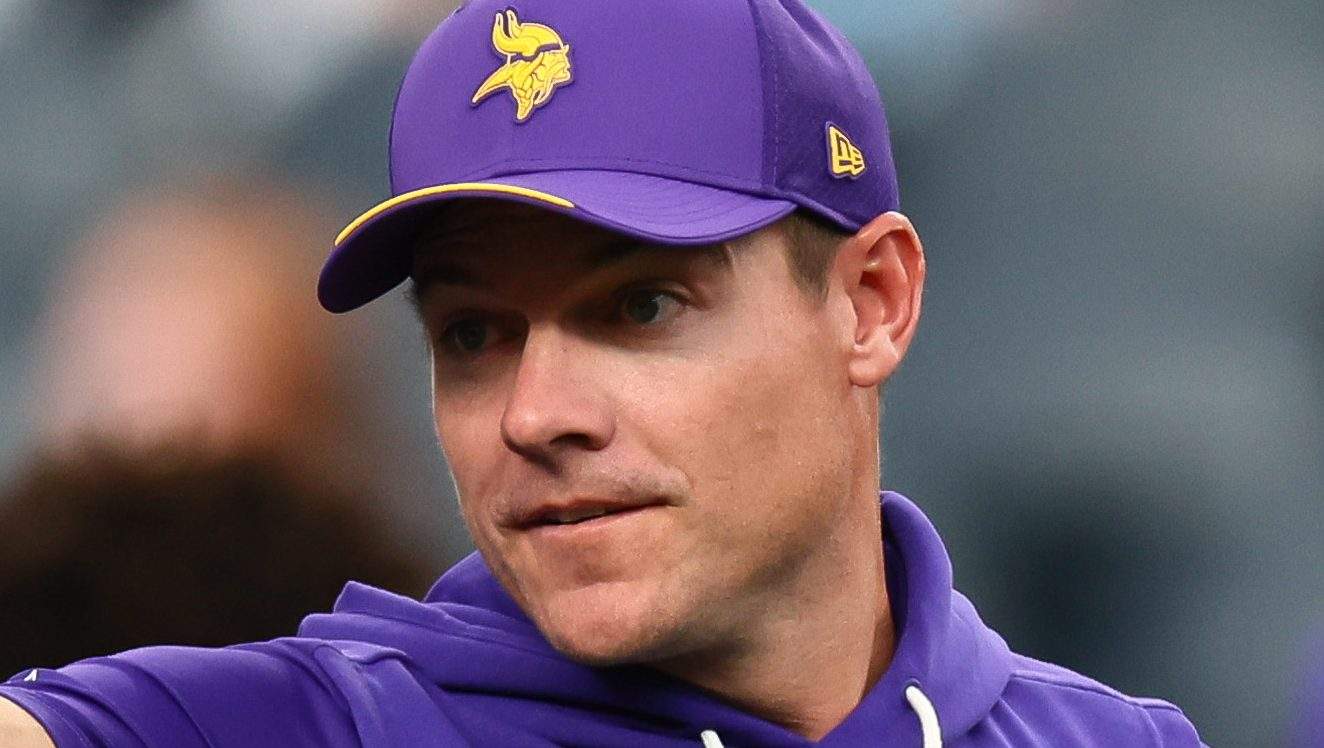
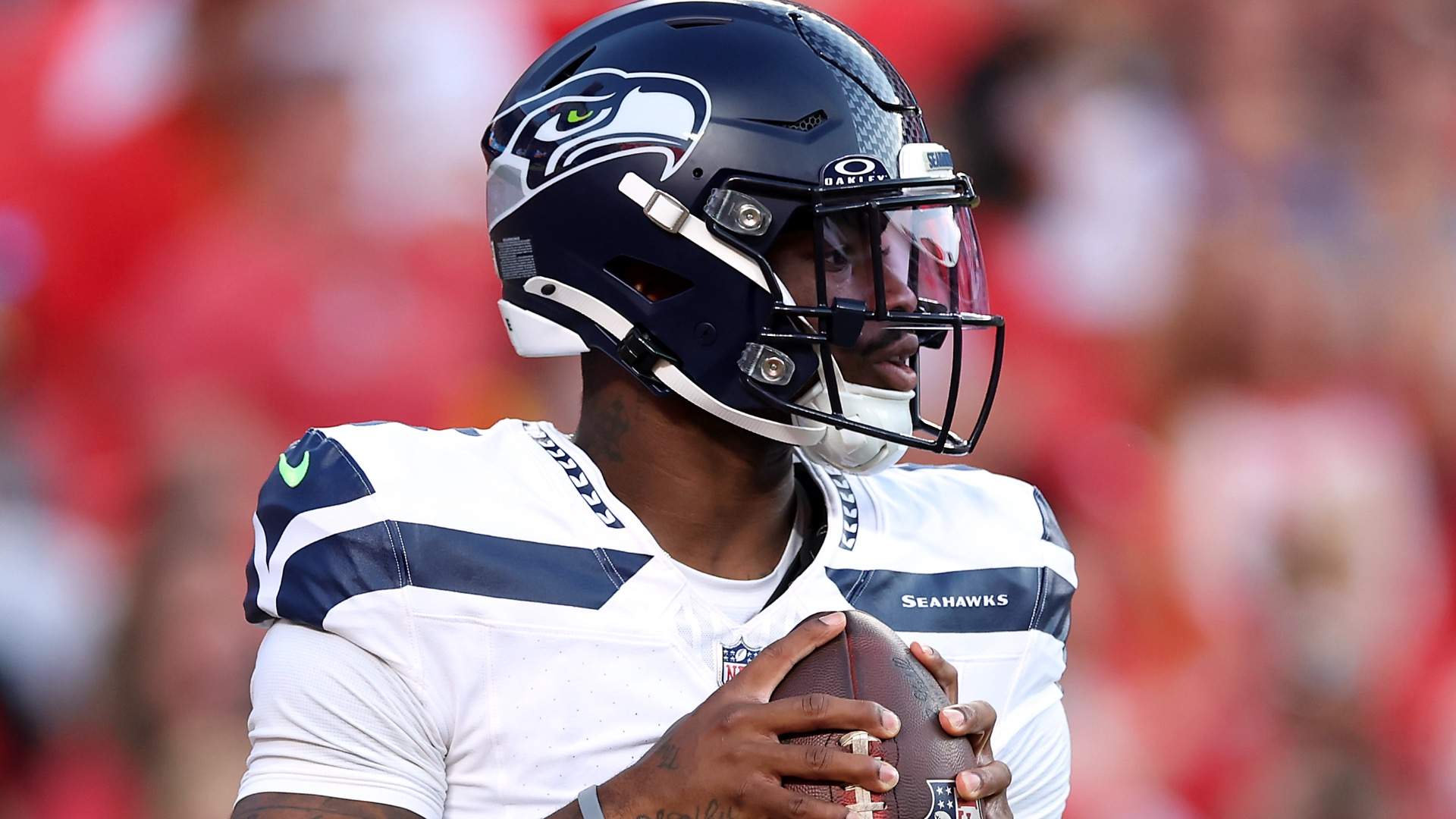
Shough’s assessment came as the Saints used the No. 8 overall pick on Tyson, positioning him as a central piece alongside Shough and head coach Kellen Moore as the team aims to diversify and accelerate the offense. Olave is already the clear lead target, but Tyson offers a pathway to a more versatile receiving corps that can win from multiple positions and alignments, stressing defenses at different levels of the field.
The comparison between Tyson and Olave is not about duplicating a star, but about introducing a complementary, interchangeable skill set. Olave’s value largely stems from his ability to run option routes, handle deep concepts, and still threaten vertically with speed on go routes and double moves. This makes Olave difficult to classify strictly as a “slot” or an “outside” receiver and demonstrates the value of a target who can operate effectively in multiple areas of the field.
Shough noted that Tyson brings a similar profile: a keen feel for underneath routes combined with the potential for big plays downfield. This combination can be particularly advantageous for a young quarterback who needs reliable options against disciplined defenses. If defenses sit on short routes, Tyson’s big-play capability can punish overzealous coverage; if a defense soft-ens up, Tyson can exploit space with separation and quick wins.
The potential two-receiver dynamic with Olave and Tyson could give Moore more formation and matchup flexibility. If both receivers can perform well inside and outside, New Orleans can avoid telegraphing their intentions before the snap. They could interchangeably line up in the slot, use motion to identify coverages, or create favorable matchups against linebackers and safeties. This versatility is especially valuable in a league where the nuances of NFL passing concepts—such as high-low routes and layered combinations—make clean execution challenging against disciplined defenders.
For Shough, the path to improving an NFL passing attack involves more than simply deploying a gun-slinging quarterback. He emphasized the increased complexity of NFL concepts compared to college football, noting that many route concepts aren’t as clean in the pros due to defender discipline. Receivers who understand space and can navigate those concepts can help bridge the gap and provide trusted options on critical plays.
Olave has already demonstrated the ability to separate at multiple levels, and Tyson’s challenge will be to prove he can do the same against NFL coverage quickly enough to win Shough’s trust. Early impressions from Shough have been positive, with Tyson described as showing strong mental sharpness in walkthroughs and practices. Shough added that Tyson has not botched a single rep so far, which is encouraging for a rookie acclimating to the speed and complexity of the NFL.
Nonetheless, the evaluation process remains ongoing. Training camp and the preseason will reveal how quickly Tyson can translate his college production into the faster, more physical game of professional football. For a rookie receiver, consistent reliability is critical. If Tyson can consistently be where he needs to be and execute his assignments, he could earn targets early and help expand the Saints’ aerial options.
Tyson’s selection signals a push to accelerate the development of the offense around Shough. In addition to Tyson, the Saints added veteran running back Travis Etienne and offensive lineman David Edwards to bolster the unit. Tyson represents the highest upside addition at wide receiver, especially given the potential to pair with Olave for a more multi-faceted passing game.
This approach carries real stakes for both the quarterback and the team. While Olave remains a proven playmaker, Tyson’s emergence could significantly raise the ceiling of the Saints’ passing offense by creating a second consistent threat who can win in a variety of ways. If Tyson can quickly prove he can handle the inside and outside routes and respond to the defense’s adjustments, the Saints could present a more challenging problem for opposing coordinators.
Injury history is a factor that Shough acknowledged when describing Tyson’s journey. Tyson faced multiple injuries in college, including a knee issue and a hamstring problem late in the year. Shough said he understands the resilience required to overcome such setbacks, given his own experiences during the pre-draft process. The ability to learn from adversity and apply it on the field can be an important part of a rookie’s development.
While Olave remains the established target and the backbone of the receiving corps, Tyson’s addition provides a blueprint for a more flexible attack. He can potentially be a legitimate secondary threat who keeps defenses off balance, enabling Shough to exploit mismatches and deepen the Saints’ passing game. The pathway to a more explosive offense in 2026 likely hinges on Tyson’s rapid progression and his ability to translate college success into NFL production quickly.
As training camp unfolds, the Saints will monitor Tyson’s progress closely. The goal is to determine whether he can meet the expectations set by his early praise and whether he can develop into a dependable weapon that complements Olave and helps unlock the full potential of Kellen Moore’s offense. If Tyson can deliver on the high ceiling Shough sees, New Orleans could field an offense capable of stretching defenses, accelerating the pace of play, and providing the quarterback with several high-impact options beyond Olave.