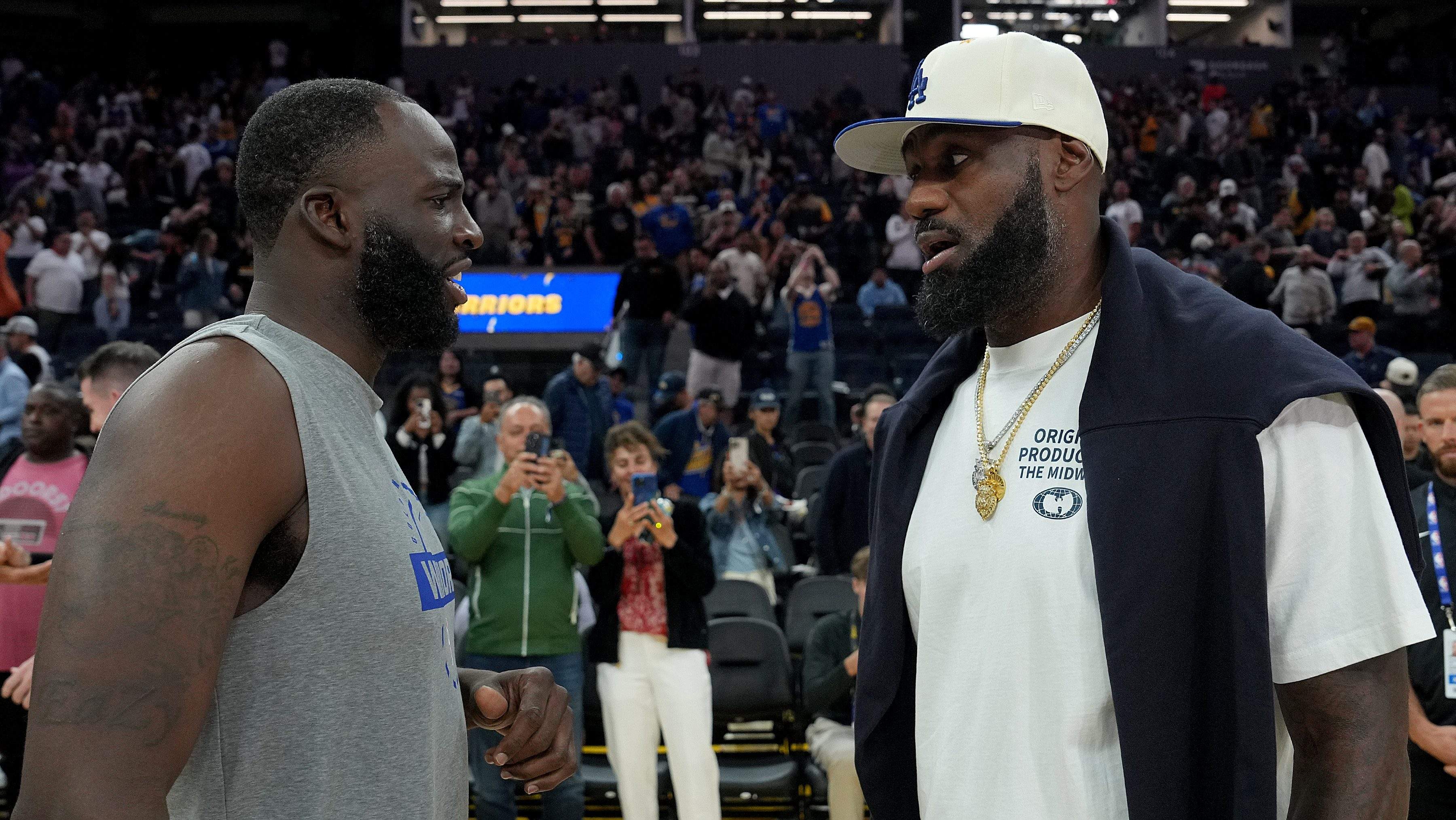
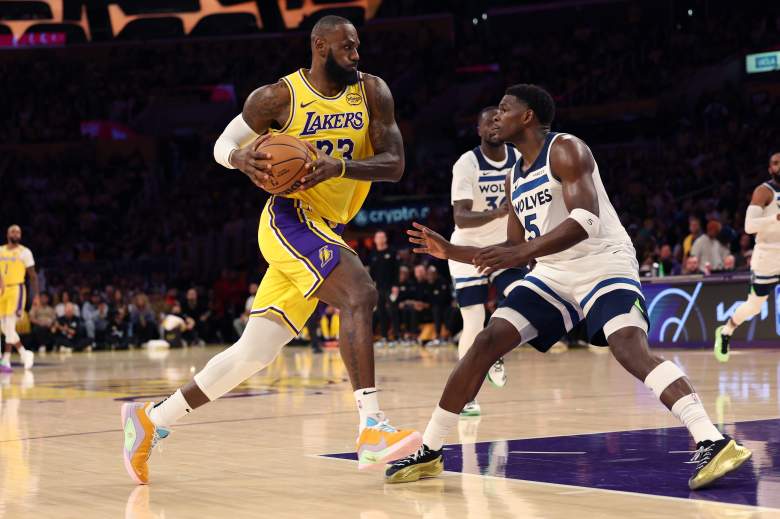
Brown, the 2024 NBA Finals MVP and a five-time All-Star, will join a rival that Boston will confront six times next season, including in the preseason. The 76ers were also the team that eliminated the Celtics from the 2026 playoffs, a detail that fueled the emotional reaction before any discussion of the basketball mechanics of the deal.
Defending the trade, a Celtics-focused analyst argued that the return is undervalued at first glance, but deserves careful examination. The analysis contends that the era of the Jayson Tatum–Jaylen Brown pairing had already faced two consecutive premature playoff exits, and the NBA’s financial rules—specifically the second tax apron—make sustaining two supermax salaries increasingly challenging. In this view, Brown was the obvious trade candidate, not Tatum, given Boston’s recent roster moves to avoid penalties, including the trades of Jrue Holiday, Kristaps Porzingis, Al Horford, and Luke Kornet. Paul George, who arrives in Boston, comes with a shorter contract and, along with four Philadelphia picks, provides the Celtics with greater financial and roster flexibility than keeping Brown at a high-cost salary.
The analysis also notes Brown’s playoff performance, pointing to postseason struggles in 2023, 2025, and 2026 as a reason to question committing to a supermax contract. In contrast, George is viewed as a fit within Boston’s system, a career 38.4 percent three-point shooter who can be managed to roughly 28 minutes per game, aligning with the load-management approach the Celtics previously used with Al Horford.
The analyst also recalled a near-deal from the past: a long-ago, undisclosed pursuit of Kevin Durant that faded after Boston’s 2022 Finals run. The point is that the Celtics’ president of basketball operations, Brad Stevens, has a deep understanding of Brown’s value and limits, and the decision-making authority remains with him.
Reaction to the trade outside the Celtics Blog has been mixed. Some national outlets characterized the swap as a risky move for Boston, arguing that Brown, a recent Finals MVP entering his prime, should have been a cornerstone of the franchise for years to come, while George, who is older and perceived as somewhat limited by age, represents a different kind of asset. Local talk radio and other outlets offered harsher takes, labeling the exchange as a disaster for Boston.
One NBC Sports Boston writer took a measured approach, describing the fan base’s reaction as part of a broader process of coming to terms with the trade. The piece suggested that Boston’s failed pursuit of a marquee free-agent like Giannis Antetokounmpo had inflated expectations for what Brown’s return could yield, and that those expectations deflated once George was attached to the package.
Brad Stevens’ strategy appears to hinge on the belief that the four draft picks, plus the contract alignment and the fit of Paul George, will yield longer-term benefits that outweigh Brown’s immediate value. Celtics supporters and many observers are still weighing the numbers, while the analyst who defended the trade remains convinced that the path to Banner No. 19 will be built with the assets now at hand, even if initial reactions were skeptical.
In the end, the trade marks a turning point in how the Celtics balance star power, financial flexibility, and championship ceilings in a difficult NBA landscape. As the team integrates Paul George and recalibrates around a new core, fans will watch closely to see whether the expected gains materialize and whether the organization can translate long-term asset diversification into sustained title contention.