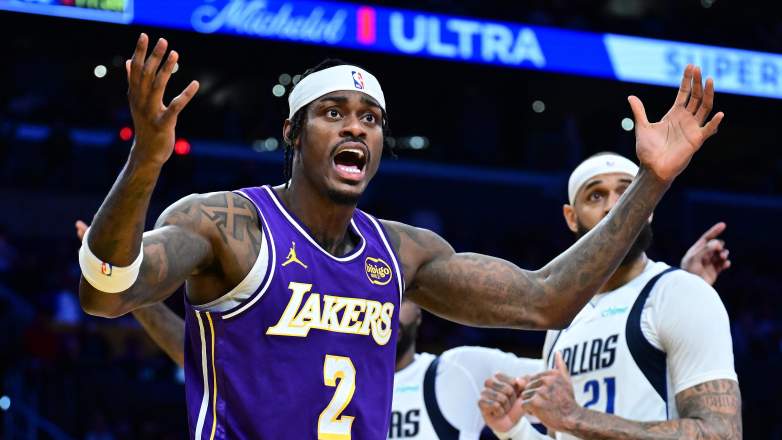
According to insiders, the new cast brings a mix of strengths that could complement Doncic’s game. Walker Kessler stands out as a 7-foot-2 defender who can serve as a protective anchor in the paint. Quentin Grimes adds 3-and-D potential on the wing, capable of spacing the floor and defending multiple positions. Sandro Mamukelashvili brings a physical frame and outside shooting threat, providing variety on the forward line. Collin Sexton offers instant offense off the bench and is equipped to contribute defensively as well, creating a more dynamic second unit.
A source closely familiar with Doncic’s thinking conveyed that the superstar is “excited” about the new players and is looking forward to building chemistry with the roster. This optimism signals a shared belief within the organization that the new pieces can rise to the challenge of competing in a stacked Western Conference.
The Lakers’ offseason moves were strategic and, in many eyes, high-risk. They pursued a blend of established talent and potential upside via trades and free agency, aiming to craft a roster capable of supporting Doncic on both ends of the floor. The central question remains whether the assembled roles align to maximize Doncic’s strengths while filling gaps that emerged last season.
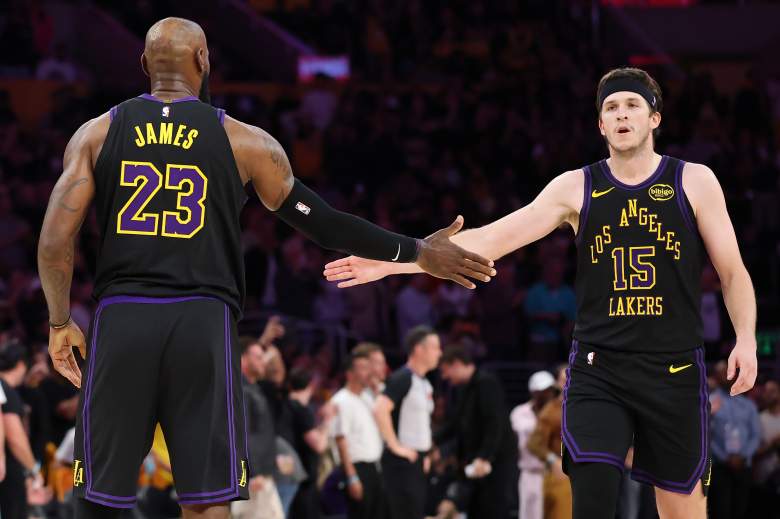
Critics of the rebuild have pointed to several departures as potential missteps. Former Lakers contributors such as LeBron James, Rui Hachimura, Luke Kennard, Marcus Smart, and Jaxson Hayes left the team after contributing to recent success. In their place, the Lakers added Kessler, Mamukelashvili, Grimes, and Sexton. Some observers have questioned whether the new group can match the impact of the players they replaced, particularly in terms of defense and wing versatility. Grimes, for instance, faced scrutiny over defensive consistency, while Doncic and fellow guard Austin Reaves will be relied upon to carry much of the offensive load.
The handling of wing depth and shot creation was a focal point for supporters and critics alike. The addition of Sexton—another smaller guard—raised questions about fit alongside Doncic and Reaves, and whether the team would have enough size to matchup against diverse lineups in the West. Proponents argue that Sexton’s scoring punch and competitive demeanor off the ball could amplify the team’s offense when Doncic sits, enabling the Lakers to maintain pace and pressure. The plan hinges on maximizing the chemistry between Doncic and the new teammates, while maintaining a robust defensive presence.
Looking ahead, the stance from Doncic underscores a broader strategy: build around the star with versatile players who can contribute on both ends. Grimes’ shooting and two-way potential, Kessler’s rim protection, and Mamukelashvili’s floor-stretching versatility are designed to create spacing and opportunities for Doncic to operate. Sexton adds another scoring option, potentially relieving some of the burden on Doncic during tight moments. If these pieces cohesively integrate, the Lakers could position themselves as a more dangerous challenger in future seasons.
Fans have varied reactions to the offseason approach. Some argue that the franchise took calculated risks that could pay off with improved depth and fit around Doncic, particularly if the players quickly learn to play to their strengths within the Lakers’ system. Others worry about the overall talent ceiling relative to peers in a league that continues to evolve with top-tier teams refining their rosters. The ultimate test will be on-court performance, where schemes, chemistry, and health will determine whether this fresh lineup can translate potential into sustained success.
In the broader context, Doncic’s apparent enthusiasm matters. A superstar’s comfort with the surrounding cast can influence on-court decision-making, leadership dynamics, and locker room morale. If the synergy develops as hoped, Doncic’s confidence should translate into stronger performances, especially during critical moments of games where star-driven offenses require reliable supporting options.
As the season approaches, the Lakers’ path to contention remains contingent on several factors: how quickly the new players adapt to the system, the development of younger talents, and the ability to mitigate matchup challenges posed by other top teams in the conference. With Doncic openly supportive of the roster’s direction, the team is betting on a collective ascent where collective defense, floor spacing, and timely execution become the hallmarks of their day-to-day game.
In summary, the Lakers have embraced a bold restructuring aimed at surrounding their elite talent with complementary pieces positioned to maximize offensive efficiency and defensive solidity. The early sentiment from Doncic suggests a shared belief in the plan, even as fans and observers weigh the potential risks. If the new group can mesh effectively and translate their attributes into consistent wins, Los Angeles could establish a clearer path toward championship contention in the seasons ahead.