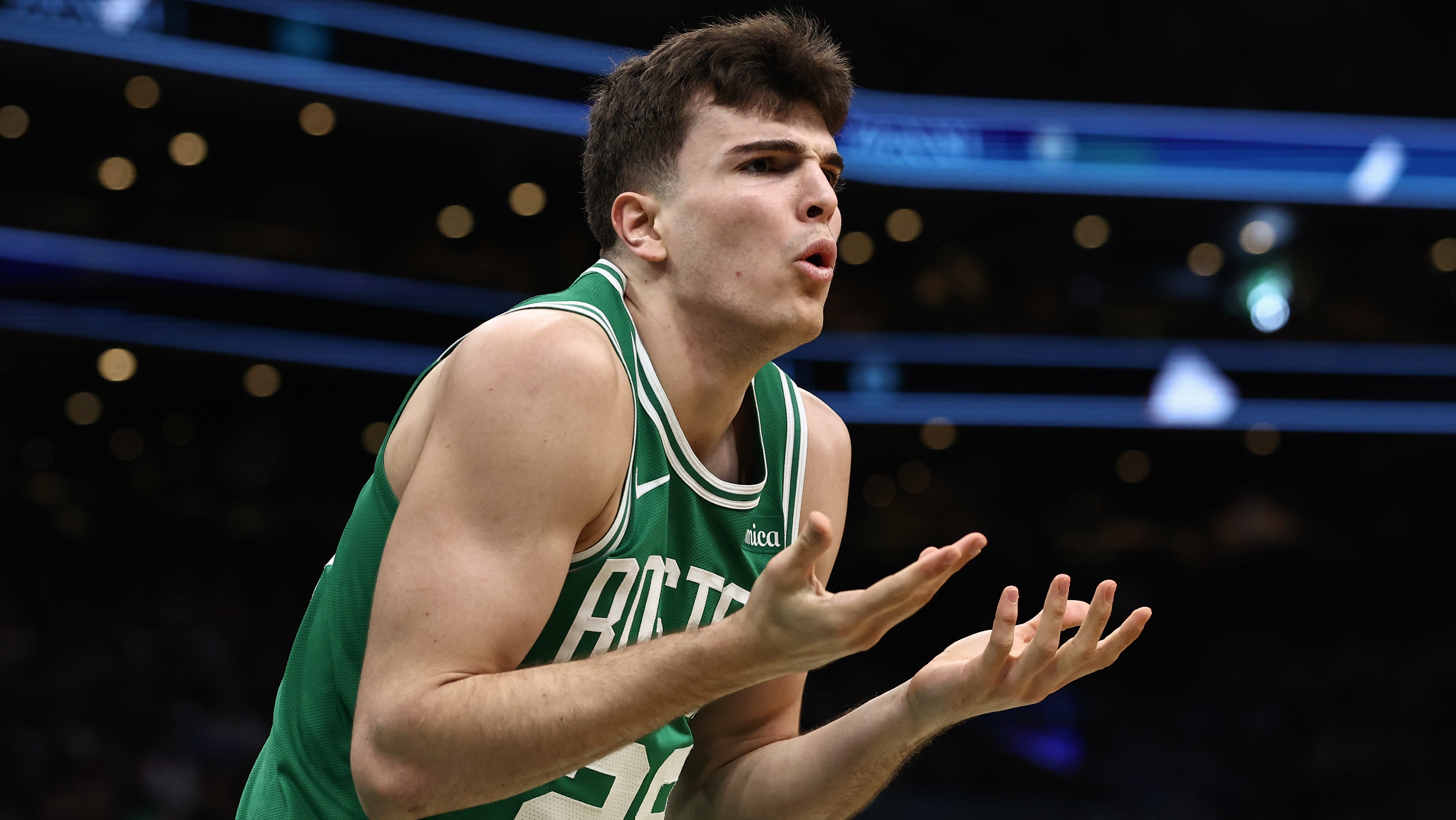
Amid the whispers about Brown, the market for Jayson Tatum remained notably different. Tatum, who had just undergone surgery for a torn Achilles tendon, returned late in the season and played through a shortened playoff run. His regular-season numbers stood as a downbeat compared to his usual standard—averaging 21.9 points on 41.1% shooting—but his playoff performance offered a brighter glimmer, increasing to 23.3 points on 46.5% shooting. The gap between Brown’s perceived trade potential and Tatum’s untouchable status created a distinct dynamic: teams circled Tatum as a franchise cornerstone, while Brown drew more open interest from other teams.
In conversations with league insiders, it became clear that the Celtics had no intention of moving Tatum. Multiple executives confirmed that Boston’s stance on Tatum was unwavering: he was off the table. The response from Boston, as described by insiders, was a hard stop on any thoughts of including Tatum in trade discussions. In contrast, Brown was viewed more as a potential trade chip, with the Celtics open to receiving the best offer if it came along. The dichotomy highlighted how the organization balanced two cornerstone players on the same roster while navigating the constraints and ambitions of a championship run.
Public commentary from Shams Charania added clarity to the situation. Charania relayed that as the Brown trade chatter intensified over several weeks, teams reached out to inquire about Tatum. Boston’s answer was definitive: Tatum would not be traded. Brown, however, was treated as a different case entirely—“open for business,” in Charania’s words, with the Celtics seeking prompt, strong offers. This distinction underscored how the team valued each star differently, even as both players had grown into indispensable members of the franchise.
Off the court, Brown and Tatum reportedly did not share a close personal relationship, a factor that fueled various narrative threads about team chemistry. Yet on the floor, the two had cohesive chemistry and produced high-level basketball together for years. As the years progressed, reports suggested that their personal dynamic had become strained, even as their professional collaboration remained effective. This contrast between their on-court compatibility and off-court frictions was a persistent theme in discussions about the team’s internal dynamics and potential for future changes.
Looking ahead, the Celtics were not finished weighing their options. While Tatum was expected to remain with the franchise, there was continued speculation that Boston might pursue additional moves this summer. The team possessed a traded player exception valued at approximately $27.7 million, a tool that could be deployed to facilitate deals and potentially unlock flexibility under various salary cap scenarios. Whether Boston would use that exception depended on league-wide financial considerations, including the league’s tax thresholds and the team’s comfort level with potential tax implications in the coming season.
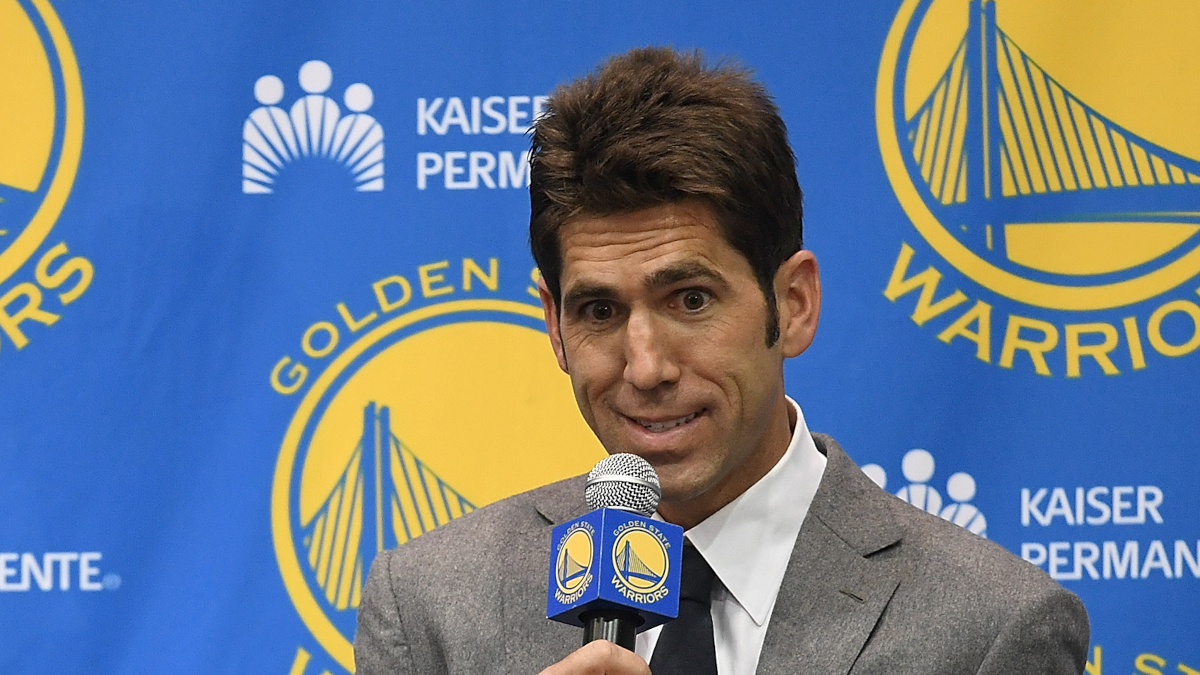
Team leadership, including comments from Brad Stevens, underscored a belief in the value of draft assets as part of any future maneuver. Stevens emphasized that while draft assets have intrinsic value, the quality and impact of those assets can fluctuate, particularly when considering premium picks and the potential long-term upside they represent. The organization’s approach suggested a willingness to leverage significant draft capital to pursue bigger swings at championship opportunities, even if that meant making bold, nontraditional moves.
In sum, Boston’s front office maintained two parallel narratives: a hard commitment to Jayson Tatum as a franchise cornerstone and a more flexible, opportunistic stance regarding Jaylen Brown. The situation illustrated how teams navigate star-player dynamics, contract considerations, and the delicate balance between winning now and maintaining long-term flexibility. As negotiations and discussions continued through the offseason, the Celtics’ strategy appeared poised to prioritize premium talent and select assets that could be deployed in high-stakes trades, with a clear understanding that Tatum remains the non-negotiable centerpiece of their competitive framework.
For fans and analysts, the key takeaway is that while the Celtics were prepared to listen on Brown, any trade paths would require compelling returns, especially given Tatum’s untouchable status. The team’s financial posture, including the traded player exception and tax implications, would also play a critical role in determining whether they pursued any high-cost, high-reward acquisitions. The evolving narrative underscored Boston’s broader philosophy: maximize current competitiveness while preserving enough strategic flexibility to sustain success in the years ahead.