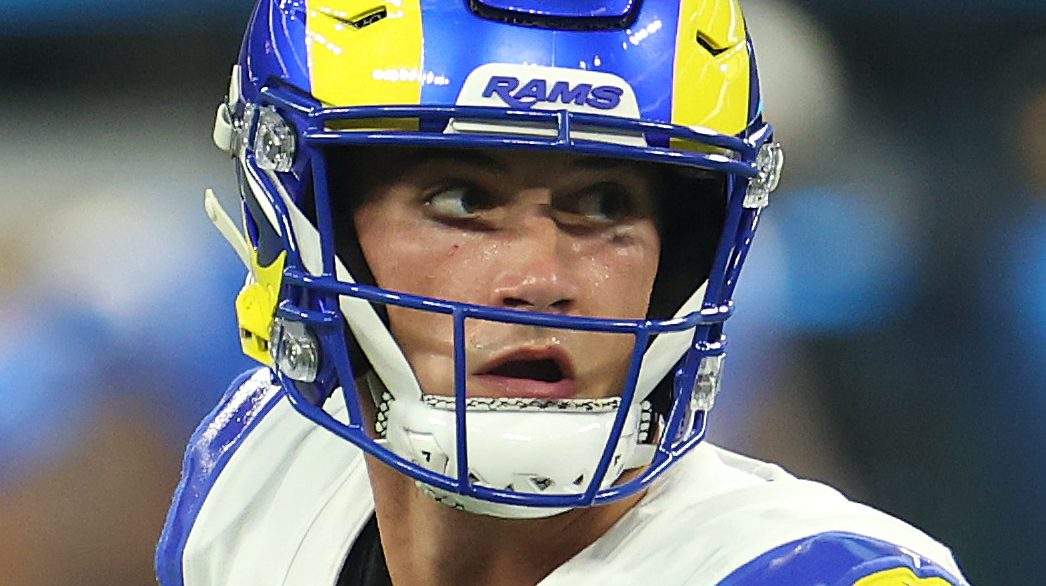
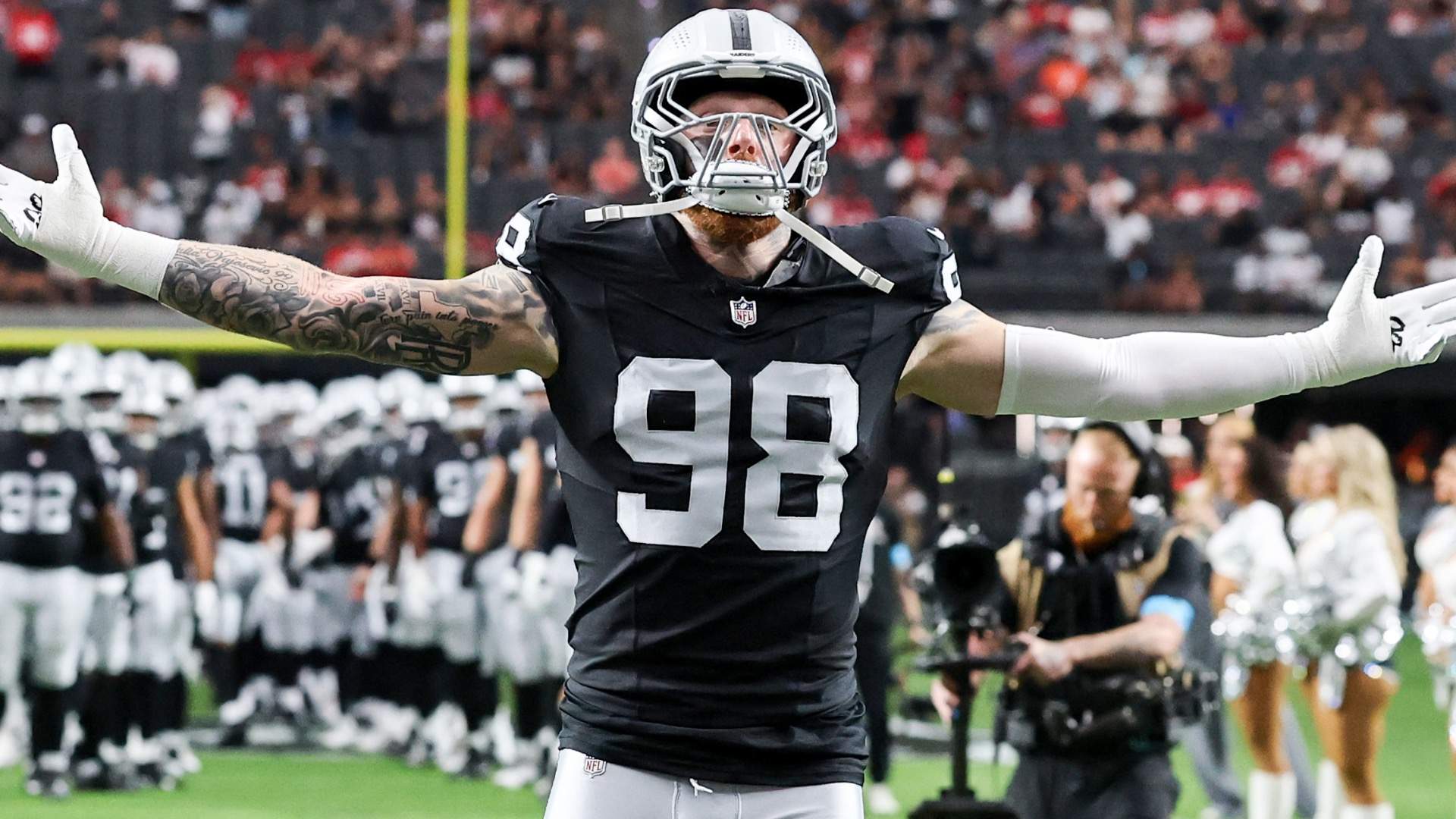
Analysts have started to emphasize Sanders’ potential rather than his measurements. ESPN’s Ben Solak highlighted Sanders as a potential breakout player for the Bills, placing him squarely in the conversation for a rise in 2025. Solak drew a comparison between Sanders and John Franklin-Myers, a versatile defensive lineman who recently signed a three-year, $63 million contract with the Tennessee Titans. Solak noted that Sanders, at 6-foot-4 and around 297 pounds, is well-suited for subpackages that require big defensive ends who can draw attention in pass protection, allowing blitz opportunities from the opposite side. He also described Sanders as a player who may not emerge as an immediate high-impact contributor but could develop into a dependable “dirty-work” defender within Buffalo’s redesigned scheme.
Before the draft, Sanders was widely discussed as a potential “three-down solution.” A South Carolina native, he produced impressive numbers over his final two college seasons, totaling 93 tackles, 8.5 sacks, 16.5 tackles for loss, and 5 pass deflections across 25 games in 2024 and 2025. Pro Scouts praised his physical strength and hands. A draft profile highlighted Sanders as a powerful blocker with a strong core and fast punching, capable of shedding blockers and disrupting plays despite not always showing extreme knee bend. The assessment suggested his blend of power and hand technique could translate well to both odd- and even-front defenses as a versatile interior/edge presence.
Sanders did miss five games due to a minor knee procedure but still played in 12 games with two starts, and he contributed in two playoff contests. His college tape underscored his durability and ability to impact plays through a combination of power, hand speed, and solid play strength.
Buffalo continued to bolster its defensive front in the 2026 NFL Draft, selecting 6-foot-1, 297-pound Penn State defensive lineman Zane Durant in the fifth round (No. 181 overall). Durant’s speed—he posted a 4.75-second 40-yard dash—was highlighted as a key trait, with scouts noting his versatility to line up as a nose tackle or a three-technique. ESPN’s analysis framed Durant as depth for the defensive line who could compete for a backup role, aligning with Buffalo’s broader strategy of infusing youth and speed across the front seven. The Bills had previously added edge presence with Clemson product T.J. Parker in the second round (No. 35 overall).
Overall, the Bills’ approach reflects a focus on rebuilding along the defensive line with versatile, quick-reacting players who can handle multiple fronts and responsibilities. Sanders’ profile as a multi-gap capable lineman who can contribute as a subpackage end or interior disruptor fits the mold of Buffalo’s modern defensive philosophy under Leonhard. While immediate stardom is never guaranteed, Sanders’ combination of strength, hand technique, and adaptability positions him as a potential core piece in the Bills’ ongoing defensive transformation.