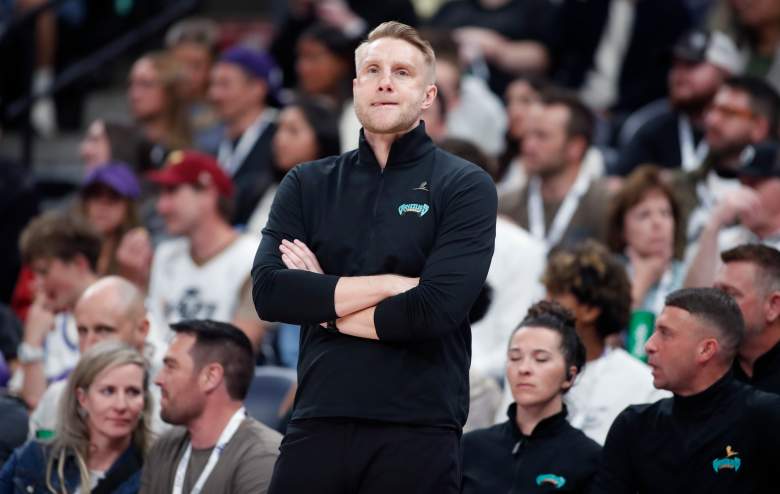
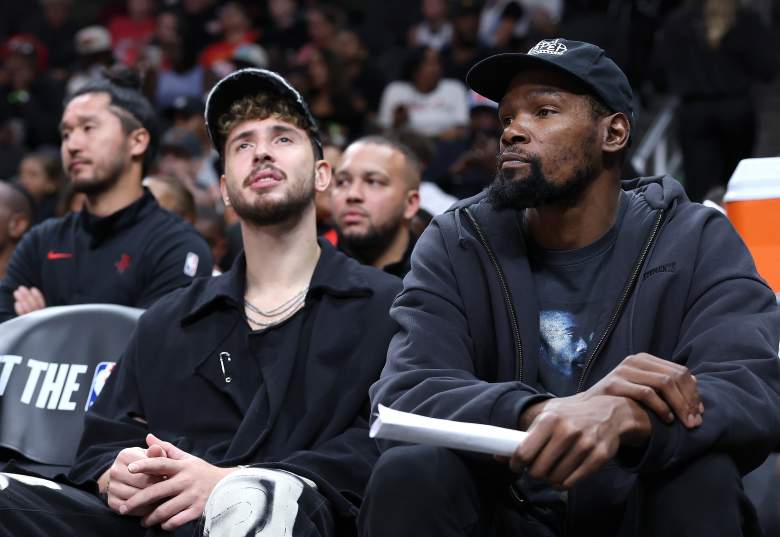
In the immediate aftermath of the deal, Brown was sent to Philadelphia in exchange for veteran forward Paul George, along with two first-round picks and two second-round selections. The trade followed Boston’s unsuccessful pursuit of Giannis Antetokounmpo, a pursuit that underscored the franchise’s willingness to reshuffle its core in hopes of sustaining championship-level contention. Stevens explained that the decision was driven by roster construction: committing roughly 70 percent of the salary cap to Brown and Jayson Tatum limited the team’s ability to build meaningful depth around its stars. The aim, he indicated, was not to diminish Brown but to create a more balanced and flexible group capable of competing at multiple levels.
Rivers, who has long been outspoken on the sport’s dynamics, argued that the criticism aimed at Brown has veered into an unfair smear. He publicly defended Brown’s play, praising his consistency and two-way impact. Brown, Rivers noted, is among the league’s best competitors, delivering steady production on both offense and defense. The former guard also pushed back against criticism of Brown’s personality and public demeanor, suggesting that Brown’s outspoken nature should not overshadow the quality of his play. In Rivers’ view, Brown consistently performs at a high level and fills a leadership role on the floor, a conviction he said should be acknowledged rather than dismissed.
The exchange highlighted a broader debate about how players’ personalities influence public perception and team decisions. Rivers suggested that much of the commentary around the trade leaned on anonymous sources and rumor rather than transparent analysis of on-court impact. He criticized the pervasive use of unnamed sources in shaping narratives about players, arguing that this practice can distort the reality of a player’s value and contributions. By defending Brown, Rivers urged a more measured and fact-based conversation, focusing on performance, consistency, and impact rather than personality or speculative reports.
Stevens, during a subsequent press opportunity, acknowledged that not everyone agreed with the move and that the decision was not universally popular. He emphasized the strategic rationale: to keep the Celtics competitive while expanding the roster’s capabilities and depth. The goal was to maintain a core of high-level performers around which a more versatile and resilient squad could be built. Whether this approach translates into sustained success remains a topic of ongoing evaluation, as the team assesses how the new pieces fit with Tatum, alongside other key contributors.
For Brown, the immediate question is how he will adapt to a new system and a different set of teammates in Philadelphia. The 76ers will seek to maximize his strengths—his versatility, length, and scoring ability—while integrating him into a lineup that can complement established talents. Brown’s experience and leadership are expected to be assets as the team contends for top-tier results and navigates a challenging landscape in a conference known for its depth of talent.
The broader implications of the trade extend beyond the two teams involved. It underscores the ongoing tension between creating payroll flexibility and preserving a championship-ready core. It also highlights how front offices weigh the trade-off between maximizing immediate star power and cultivating a competitive, well-rounded roster with sustainable depth. Coaches and executives alike will be watching closely to see how the new dynamic unfolds, particularly as teams adjust to new supporting casts and tactical schematics that emphasize both star impact and collective cohesion.
As the season progresses, observers will evaluate the effectiveness of this allocation of resources and the resulting on-court results. If the Celtics can sustain elite-level performance while developing a deeper, more adaptable squad, the move will be viewed as a proactive, forward-thinking strategy. If the opposite occurs, questions about the timing, method, and intent behind the decision will likely persist. In the meantime, Brown’s ability to contribute at a high level, his role within Philadelphia’s plans, and the public discourse surrounding him will continue to shape conversations around player value, media narratives, and the evolving calculus of team-building in the modern NBA.