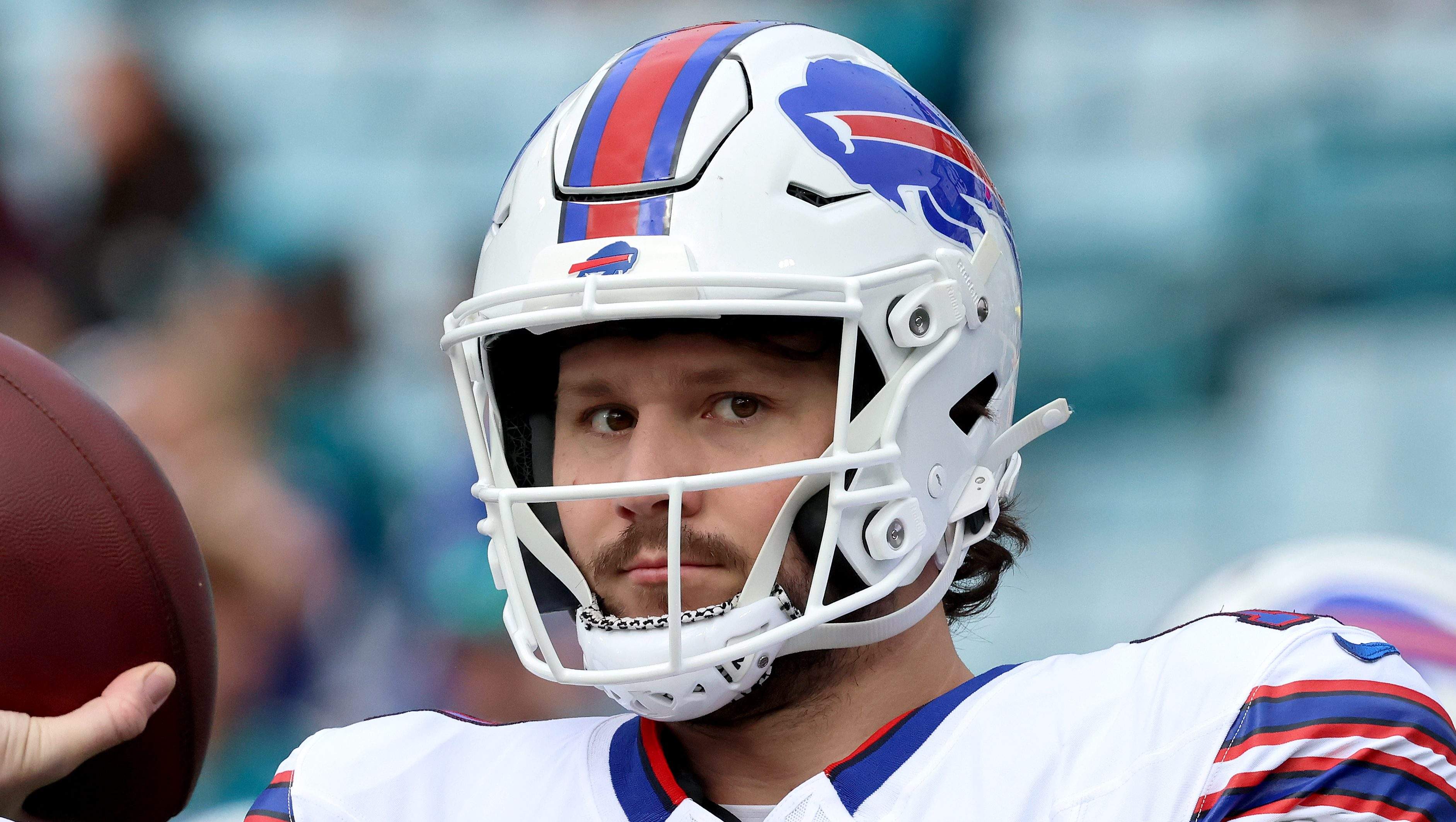
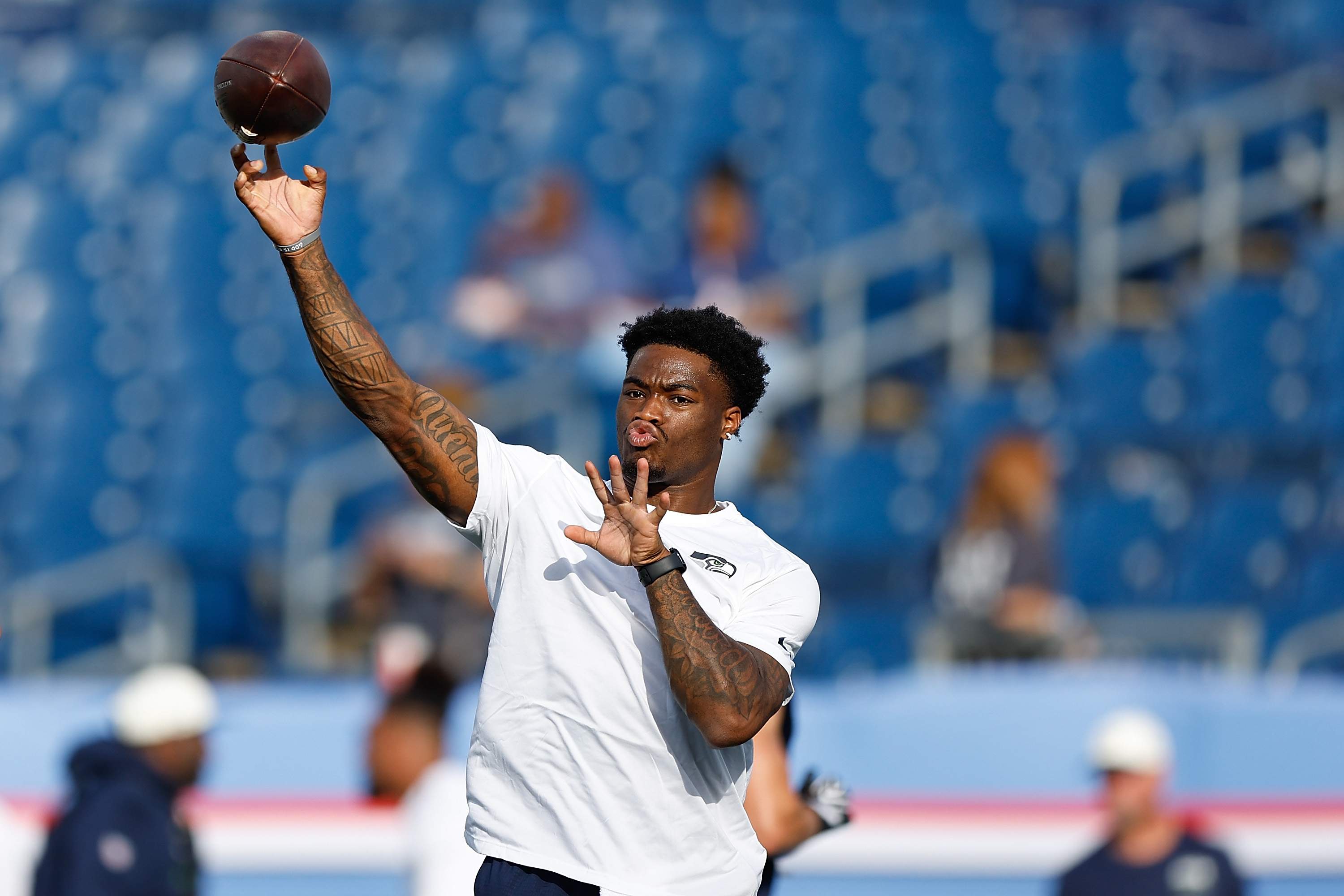
With training camp and the preseason looming, O’Connell has the opportunity to evaluate the two signal-callers across football’s most revealing practice environments. The choice, whatever it ends up being, will require certain short-term and long-term considerations for the Vikings’ offense, particularly along the offensive line, where harmony and rhythm are essential to success.
From an offensive-line perspective, the timing of a definitive decision matters. The two quarterbacks bring distinct cadences, movement patterns, and pocket tendencies that influence pass protection, run reads, and overall rhythm in the playbook. When a team commits to a starter, the line can tailor protections, audibles, and rhythm routes to that quarterback’s style, improving communication and reducing the likelihood of misreads in high-pressure situations.
One veteran lineman-turned-analyst recently stressed that a rapid resolution to the quarterback battle could benefit the unit. The argument is straightforward: if the Vikings settle on McCarthy, the line can rep consistencies tailored to his cadence and pocket movement. If Murray earns the job, the line will pivot to his preferred cadence and scrambles. Either path requires a clear plan and timely repetitions to build chemistry, recognition, and trust up front.
Beyond the line, the broader offense will hinge on how quickly the team can install and execute a cohesive system with a designated leader. Rhythm, timing, and trust between the quarterback and surrounding playmakers are built through reps in practice and early-game situations. The advantages of clarity early in camp can translate into smoother operation during Week 1 and beyond, reducing the volume of decisions that must be made on the fly by players who must react to evolving defenses.
Analysts have offered varied opinions on how Minnesota should approach the decision. Some suggest that investing time in a longer audition could showcase each quarterback’s ability to adapt to the scheme and leadership style necessary to guide the offense. Others contend that a quicker resolution would maximize practice reps for the chosen quarterback and provide the rest of the team with a stable plan sooner, particularly on critical early-season matchups where preparation time is limited.
Looking at the broader quarterback landscape, the fit between a quarterback and a team’s scheme is pivotal. Each candidate’s strengths should align with the offense’s design—whether emphasizing quick decision-making, accuracy on intermediate throws, or improvisational ability when plays break down. The coaching staff’s ability to tailor the offense to the starter’s strengths will be crucial, as will the development of playmakers who can maximize the quarterback’s opportunities through route discipline, timing, and separation.
From a historical standpoint, coach O’Connell has shown a track record of optimizing quarterbacks and getting the most out of his system. The hope for Minnesota is to maximize the strengths of whichever quarterback is named the starter while minimizing the impact of potential weaknesses. The decision-making process will likely involve evaluating each quarterback’s performance across multiple practice scenarios, scrimmages, and controlled preseason games, taking into account how well they read defenses, command the huddle, and execute the playbook under pressure.
Statistically speaking, both candidates arrive with different career profiles. One brings a proven track record of high-level college play and a willingness to push the pace in a pro-style environment, while the other carries experience adapting to a more mobile, improvisation-heavy style. The Vikings’ staff will weigh how each player’s skill set translates to Sundays, including how they manage protections, their comfort level with play-action concepts, and their ability to drive offense through efficient decision-making and ball placement.
As training camp unfolds, observers will watch for indicators such as quarterback cadence consistency, pocket poise, and the efficiency of the run game in concert with the quarterback’s tempo. The offensive line and receivers will be especially attentive to the signals and cues that accompany each quarterback’s approach, seeking a seamless fit that minimizes stumbles and maximizes big-play opportunities.
Regardless of which quarterback earns the starting job, the Vikings will face the challenge of building continuity early in the season. A decisive choice allows the coaching staff to install a complete package tailored to that quarterback’s strengths, enabling players to build trust and execute with precision. The competition itself, when resolved, should serve as a catalyst for a more cohesive and confident offense, rather than a lingering source of uncertainty.
As the campaign approaches, fans and analysts alike will be watching not only the outcomes of the quarterback competition but also how quickly the team can lock in a clear plan. The goal is to establish a rhythm that accelerates the offense’s ability to move the ball, convert on third downs, and sustain drives. With proper evaluation, precise decision-making, and disciplined execution, the Vikings can maximize their offensive potential and position themselves for a productive 2024 season.