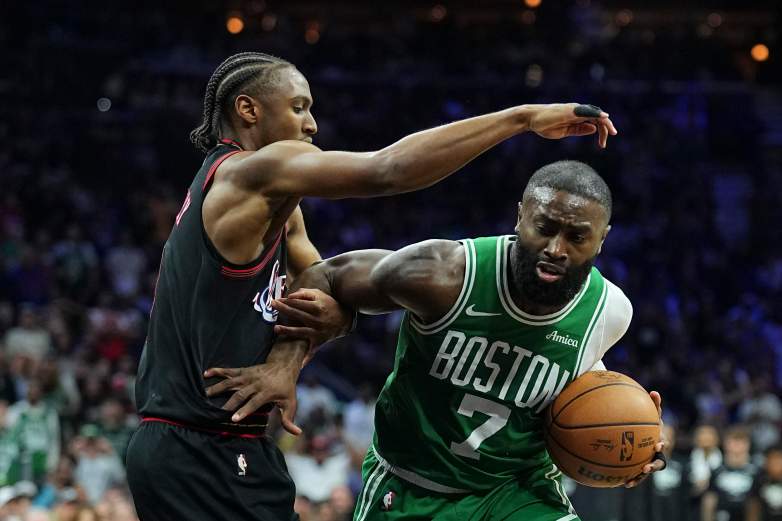
Sources within the organization insist they genuinely believe there is a path to adding James, though there is a common acknowledgment that the decision is highly uncertain and could unfold in unexpected ways. Reports have circulated that other franchises are positioning to sign James in a different destination, with Cleveland noted in some conversations as a potential landing spot. Still, Nuggets officials maintain they could be a viable option for James, provided certain conditions align.
One practical constraint for Denver is the salary cap. Any contract for James would be at the veteran minimum if he joins the Nuggets, a figure around $3.9 million, which naturally limits the monetary appeal compared to other potential destinations. Nevertheless, there are strategic angles Denver hopes to leverage. A relatively short travel distance back to the West Coast would allow James to spend more time with family, a factor some observers believe could influence his decision in favor of a team closer to home.
Inside the organization, there is a sense that James would be a transformative addition alongside Nikola Jokic. James could bring a veteran mentality, high-level playmaking, and scoring versatility that would heighten Denver’s offensive capabilities and postseason readiness. While some insiders caution about the likelihood of a dramatic shift by James away from his established path, others argue that the fit with Jokic is compelling enough to warrant a serious pursuit.
From a financial perspective, Denver could face long-term consequences if James is brought on board under the veteran minimum. If the team returns Peyton Watson and others, the Nuggets could enter the second apron of the luxury tax next season, potentially constraining future roster-building flexibility. Ownership has not signaled a spending mandate, which leaves room for aggressive decisions, but the luxury tax implications must be weighed carefully.
James’s decision timeline remains fluid. With many major moves completed early in the free-agent period, James has the flexibility to wait and evaluate options. Because the veteran minimum is modest, his choice might hinge more on fit, family considerations, and long-term prospects than on immediate financial gain. For Denver, the pursuit is about evaluating the upside of a potential pairing with Jokic and weighing the cost of luxury-tax implications against the upside on the floor.
Looking ahead, Nuggets fans may increasingly hear debates about whether a star of James’s caliber can align with Denver’s championship window. The potential union would aim to maximize the team’s strengths, diversify its scoring options, and create a threatening lineup that could maintain competitive balance across the league. As teams position themselves for the next phase of free agency, Denver’s approach demonstrates a willingness to explore transformative moves, even when they imply significant strategic considerations.
In the meantime, Denver’s direction remains clear: pursue opportunities that could elevate the roster while closely evaluating financial and cap-related consequences. The franchise will continue to monitor James’s decision and how his choice could influence the broader landscape of the league this offseason.