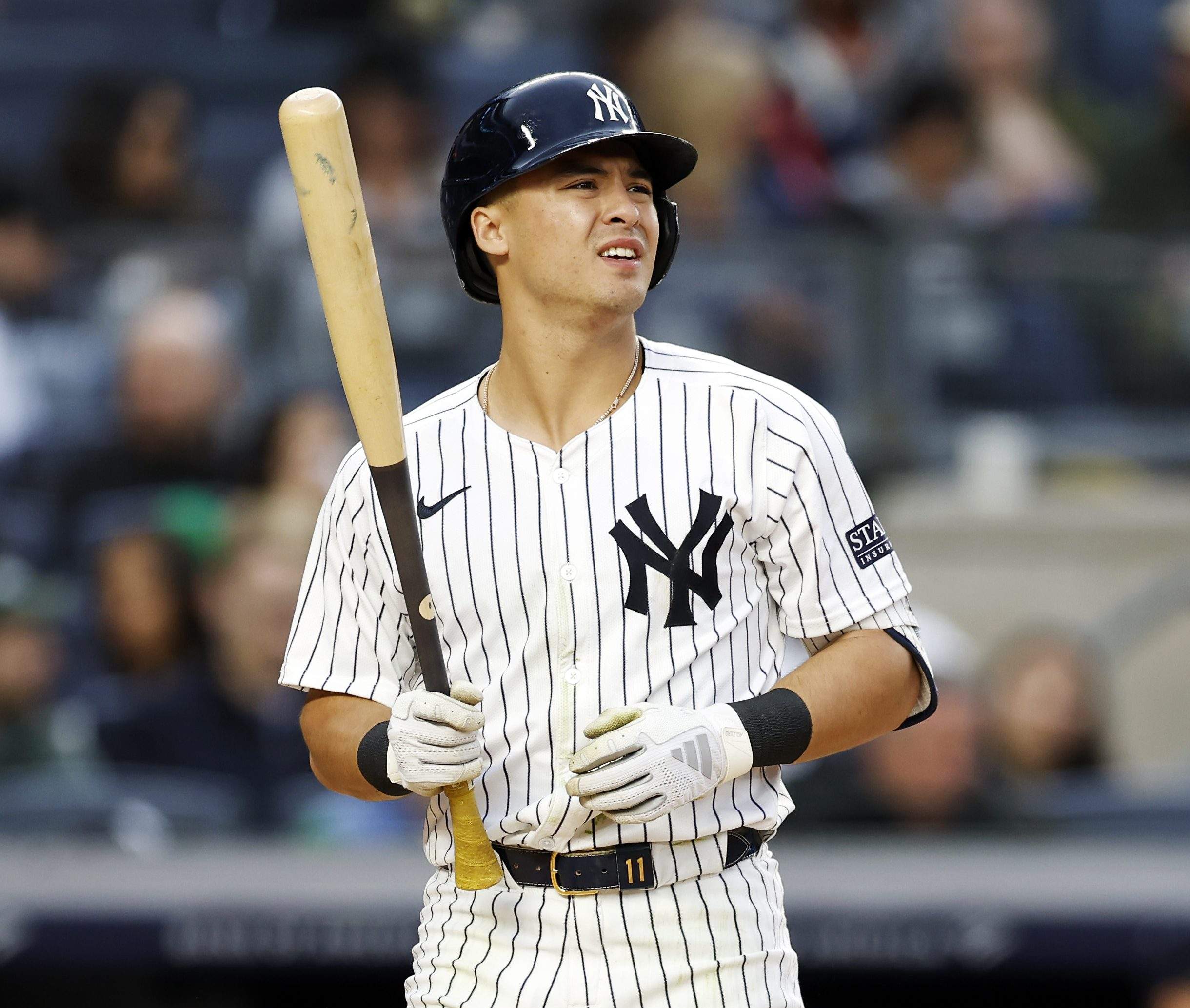
In the current game, the Rays hold a 6-4 lead with the action moving into the bottom of the seventh inning. The Rays, playing at home, have taken advantage of Yankee swings and missed opportunities, adding to a season that has seen the offense struggle to sustain consistent scoring. While some players have shown flashes of power and plate discipline, the overall batting outcomes have been uneven, and the strikeout rate has risen at an alarming pace over recent games.
Franchise history was briefly touched as the team recorded an exceptionally high number of strikeouts across a two-game span. Reports indicated that the Yankees reached 31 strikeouts in the last two contests, approaching and potentially surpassing the franchise record for the most strikeouts in consecutive games. The prior benchmark for back-to-back games with the most strikeouts stood at 30, set earlier in the previous season. This development has sparked discussions among commentators and within the coaching staff about potential adjustments to approach at the plate.
With the team amassing strikeouts at a record pace, questions naturally arise about the underlying causes and the most effective remedies. Several factors can contribute to a surge in strikeouts, including facing a particularly dominant pitching stretch, swing decisions that favor power over contact, and the timing and rhythm of at-bats. In such situations, teams often evaluate a combination of strategic and personnel considerations, ranging from lineup construction to approach plans against specific pitchers.
There is a broader context to consider as the Yankees navigate this series. Beyond the immediate math of wins and losses, performance trends during this period can influence confidence, rhythm, and momentum for upcoming games. Coaches and analysts typically scrutinize strikeout-to-walk ratios, contact quality, and the ability to elevate the ball to generate productive at-bats. Adjustments may involve prioritizing contact-heavy approaches, situational hitting, and smarter pitch recognition to reduce swing-and-miss rates without sacrificing scoring opportunities.
Despite the current challenges at the plate, the team has displayed resilience in other facets of the game. Pitching, defense, and base running each contribute layers of competitiveness that keep the season within reach of competitive outcomes. As the four-game set against the Rays unfolds, the Yankees have opportunities to recalibrate and reestablish offensive balance. In such scenarios, small evolutions in approach—laying off borderline pitches, focusing on making contact earlier in the count, and leveraging the weaknesses of opposing pitchers—can yield meaningful improvements over the course of a series.
Looking ahead, fans and observers will be watching closely for tactical adjustments that might translate into more consistent run production. A shift in hitting philosophy, potential tweaks to batting order, or targeted training focus for players at key positions could all play a role in stabilizing the offense. The broader narrative remains focused on how the team translates individual talent into collective success, particularly during high-stakes series against division rivals.
In summary, the Yankees’ current four-game confrontation with the Rays has produced notable historical marks in the realm of strikeouts, alongside ongoing concerns about offense efficiency. The outcome of the series will not only impact standings but also shape strategic discussions within the organization about how to optimize hitting approaches moving forward. As the action continues, the team has a clear mandate: convert opportunities with improved plate discipline and consistent contact to regain offensive balance and reassert themselves as a competitive force in the league.